
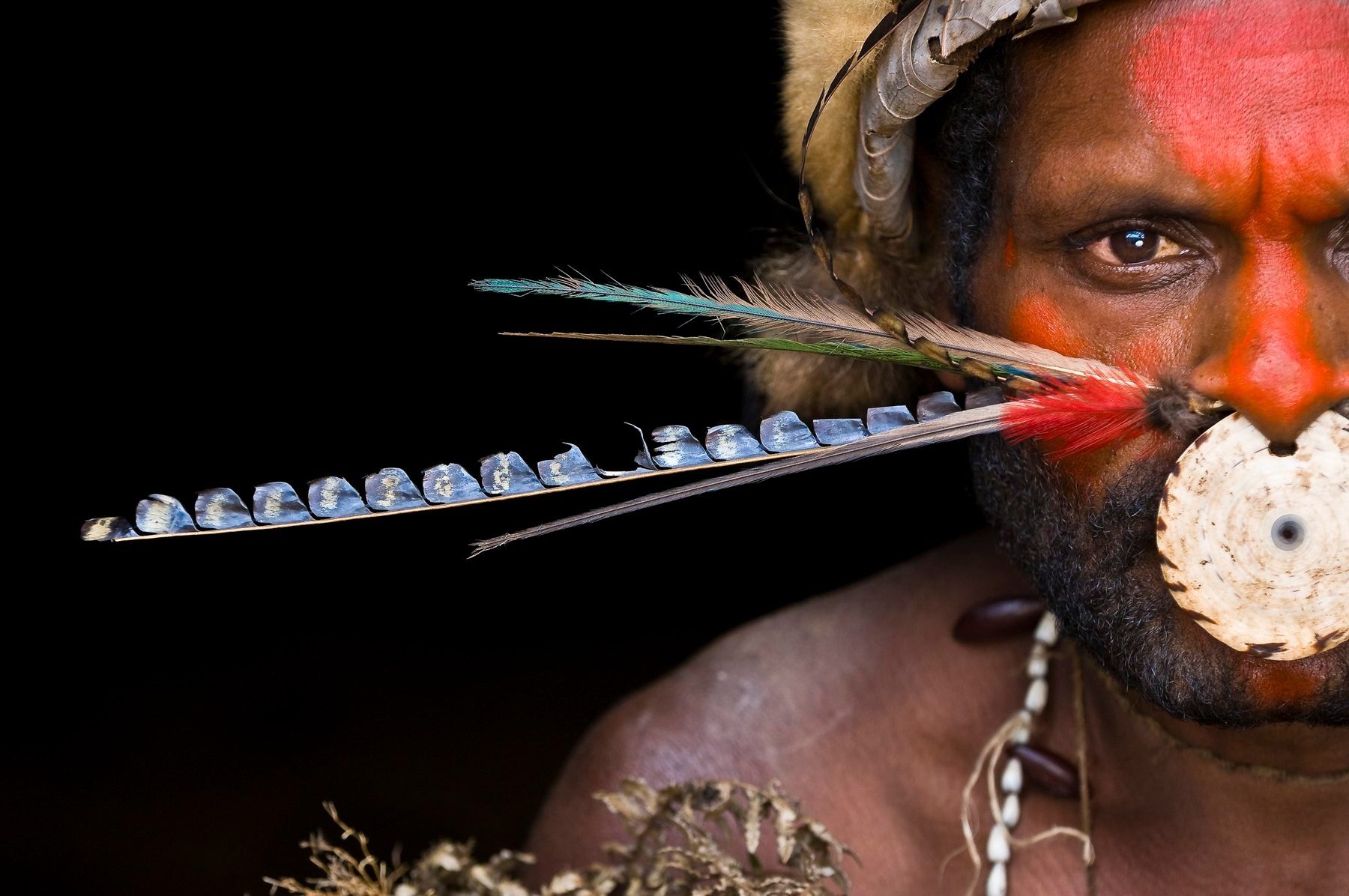
Local production partner in Papua New Guinea
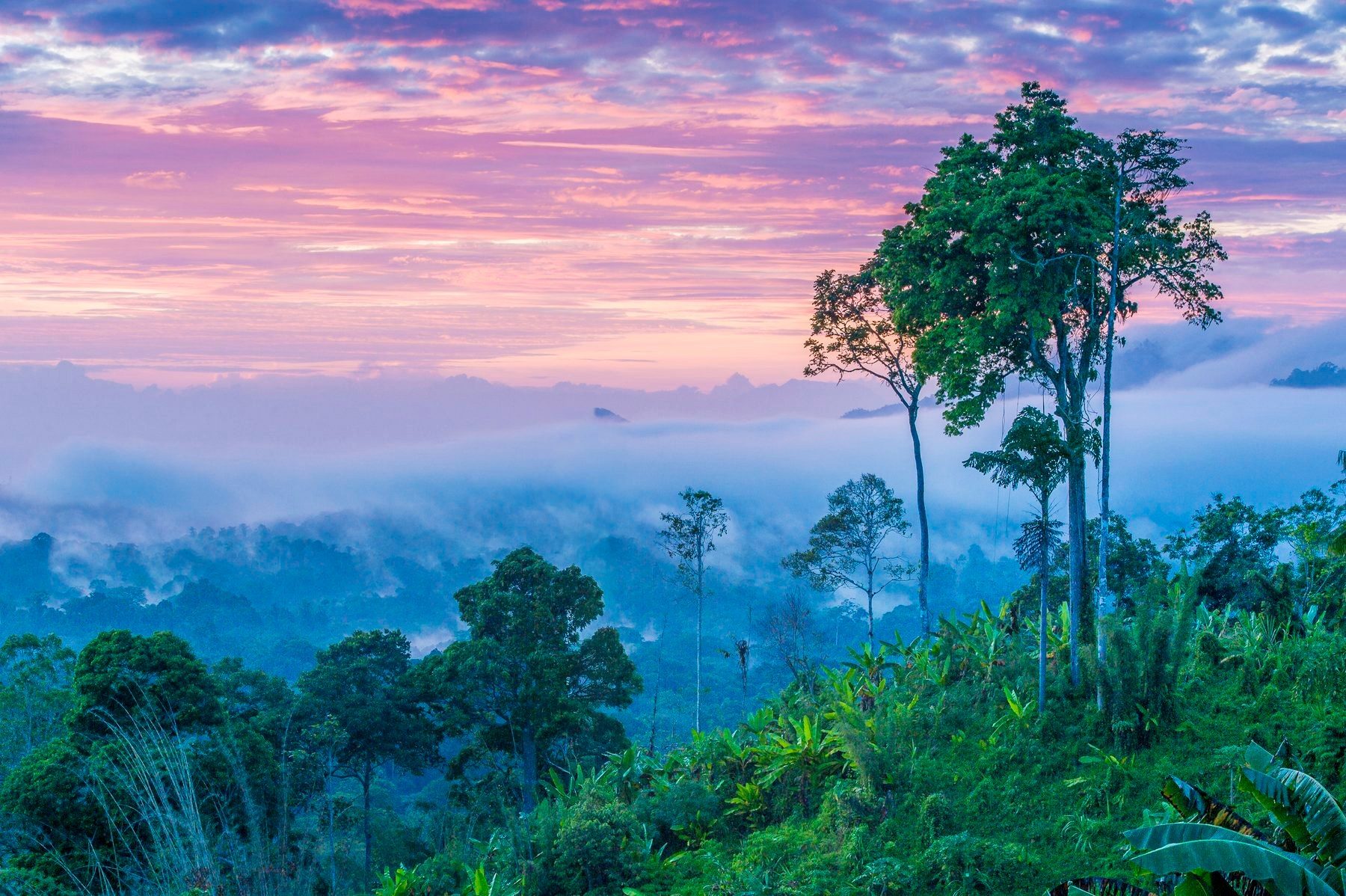
Film anywhere in Papua New Guinea.
Permits, logistics, local fixers and community liaison for documentary and broadcast crews — for over 30 years.
Trusted by international broadcasters










Why work with us
Thirty years on the ground in Papua New Guinea
Papua New Guinea is one of the most rewarding — and most logistically demanding — places to film. We handle the permits, the logistics and the relationships, so your crew can focus on the story.
After thirty years I can tell you in one phone call whether an idea is feasible, what it will really cost, which season it needs, and which communities will welcome it.
That conversation usually saves more than my fee.
Marc Dozier Book your free call →
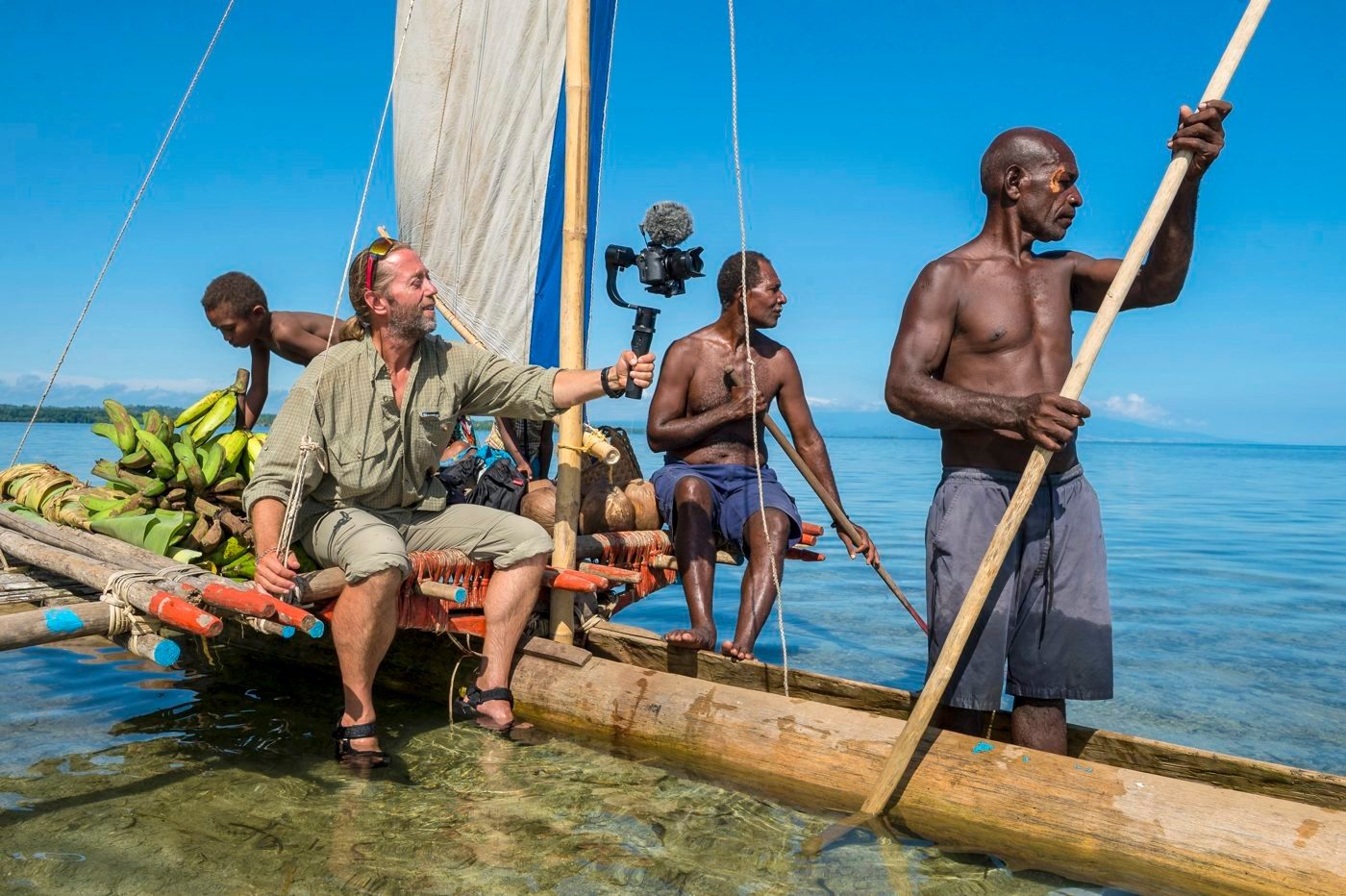
30 years in Papua New Guinea
Travelling, exploring, filming and sharing Papua New Guinea since 1994.
Safety first
The safety of your team is our first priority, from the first call to the last day of the shoot.
Direct access, in Tok Pisin
Interviews and daily relations happen directly — no interpreter between your crew and the people you film.
From A to Z
Script research, character scouting, community approval, logistics, filming, editing and translation.
Every province covered
We have filmed in all of PNG’s provinces, with a network of local fixers, guides and friends from the Highlands to Bougainville.
Local & international team
Papua New Guinean talent and technicians, joined by international specialists when a project needs them.
Award-winning filmmakers
Awards at international festivals including Jackson Wild (USA), FIFO (Tahiti) and the Greenpeace Prize at the Green Film Festival.
Committed to share
We respect the communities we film and share our skills with our PNG team, creating training and income for local partners.
Production services
Everything your production needs in PNG
01
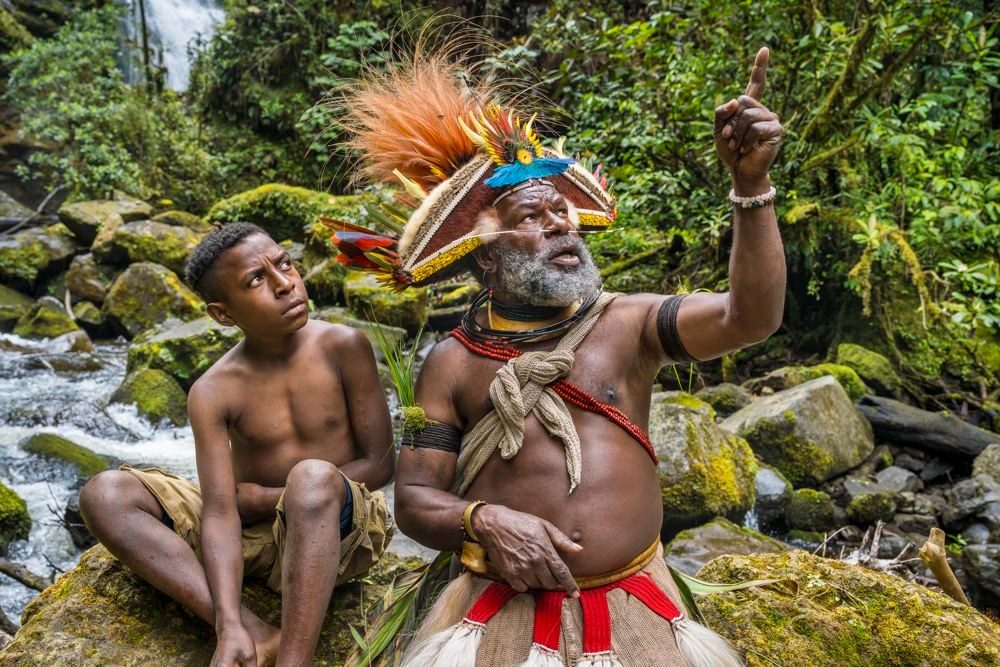
Film fixer
A local production partner for documentary teams, news crews, TV and photographic productions.
02
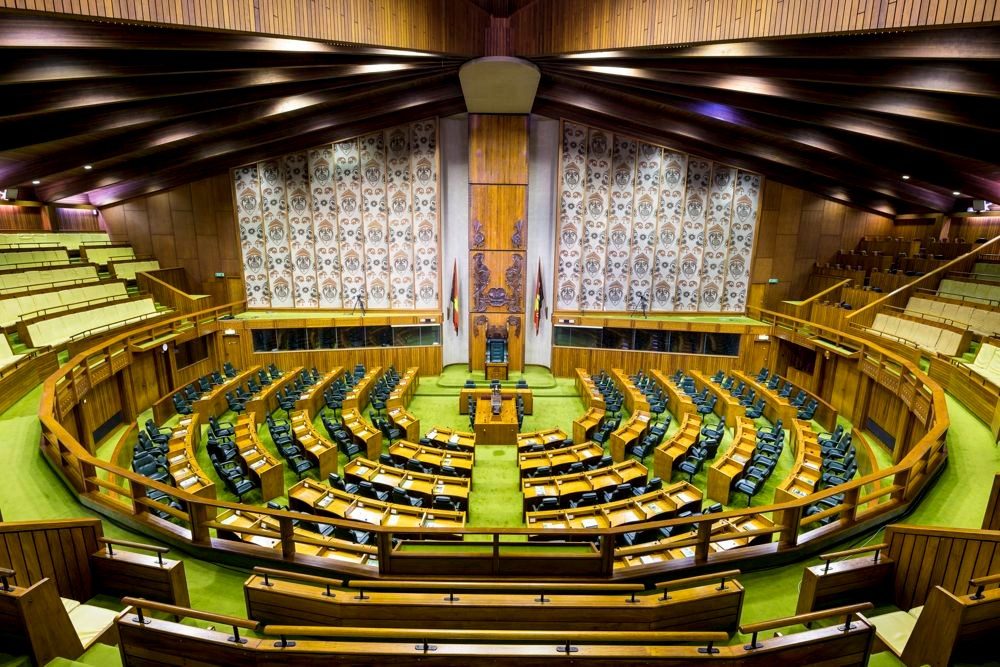
Permits & media visas
Visas, filming permissions, local authorities and customary landowner consent.
03
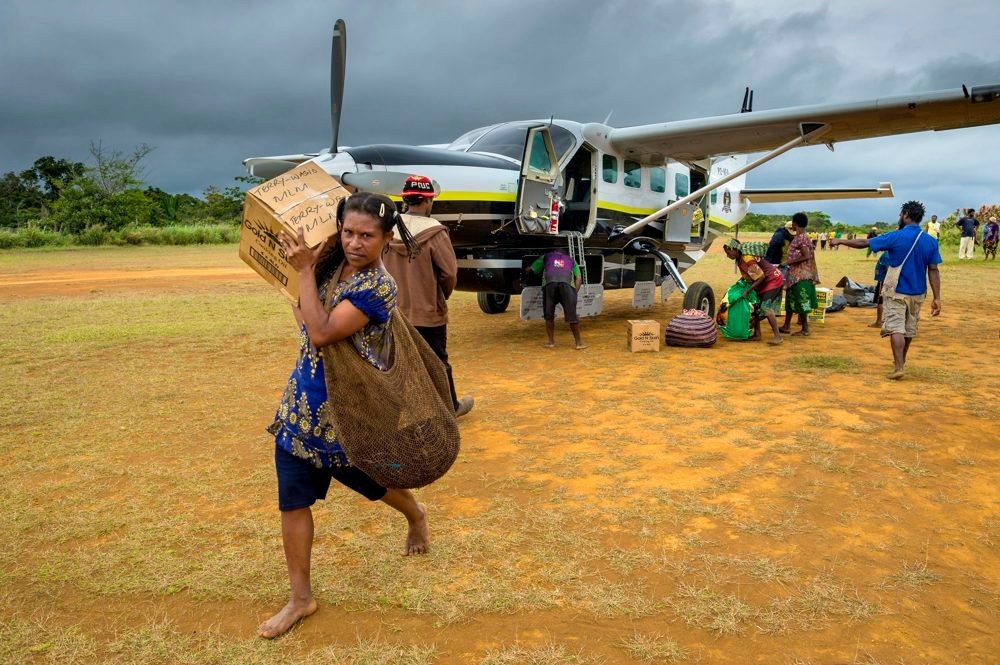
Production logistics
Flights, accommodation, ground transport, boats, meals, freight and remote-area planning.
04
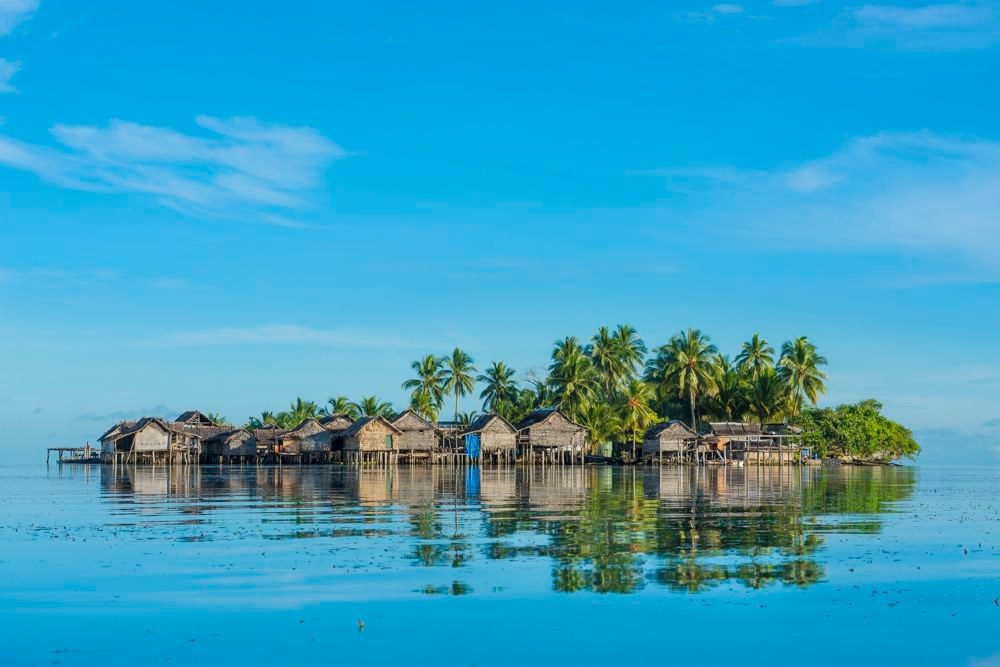
Location & character scouting
Regional advice, locations, contributors and characters that fit your story.
05
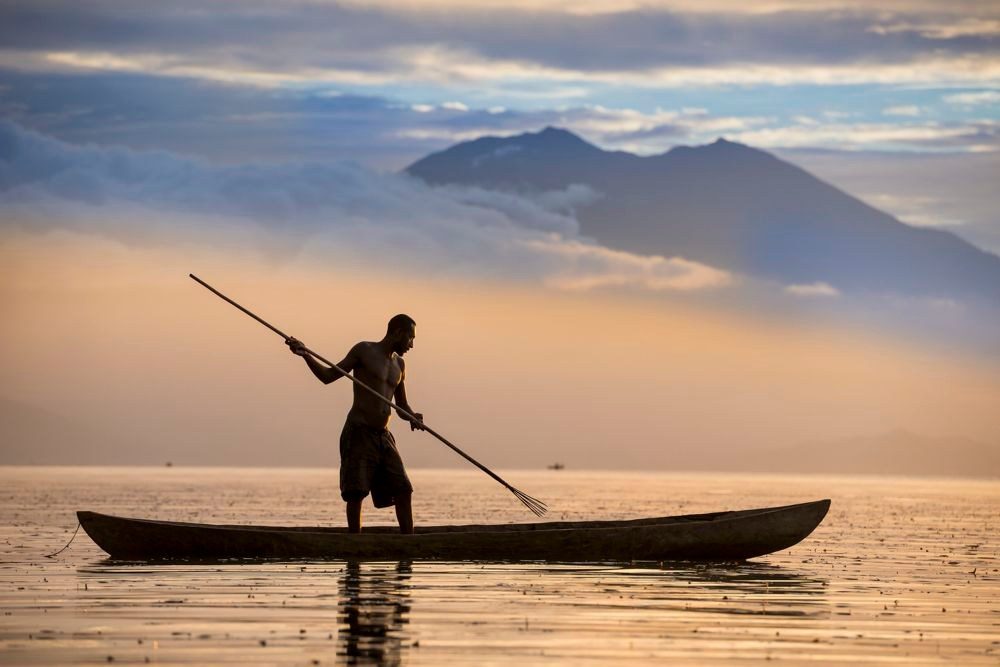
Translation & interviews
Interpreters on location, interview production and finalised transcripts for post-production.
06
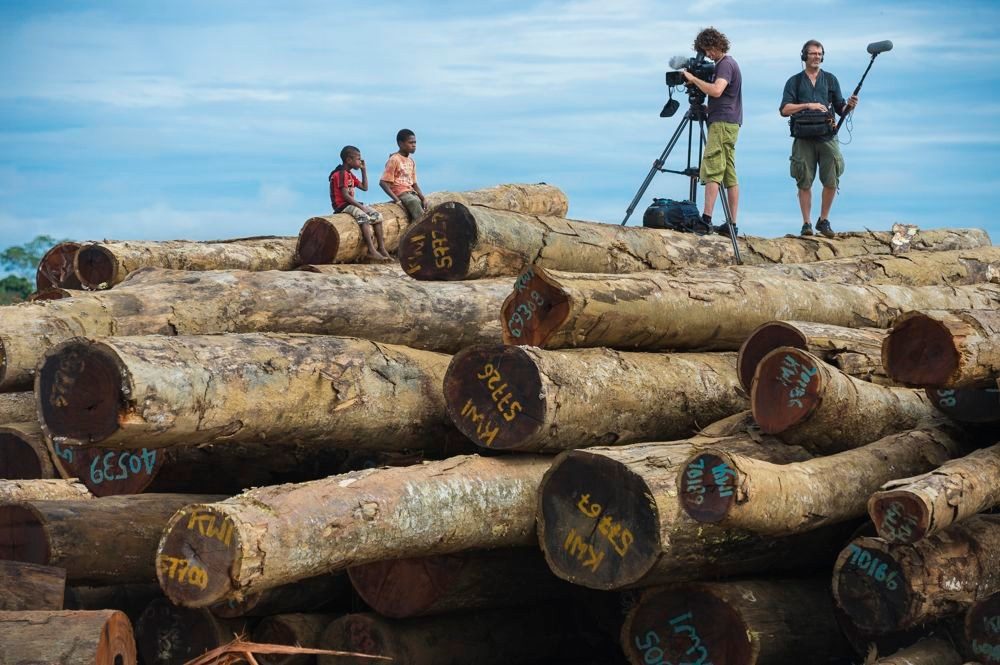
Safety & community liaison
Security planning and respectful negotiation with the communities you film.
Selected work
International productions we have supported
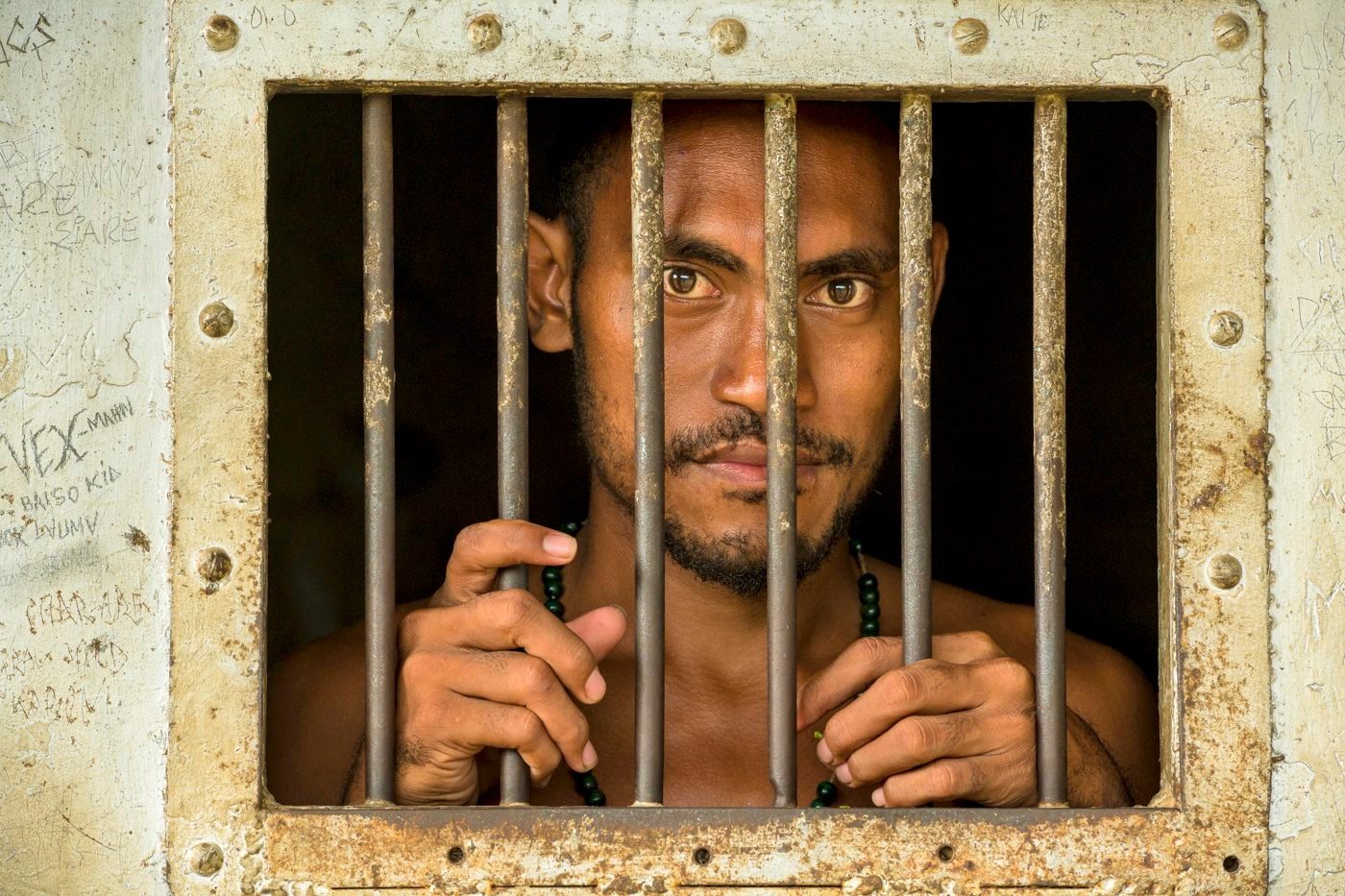
Netflix
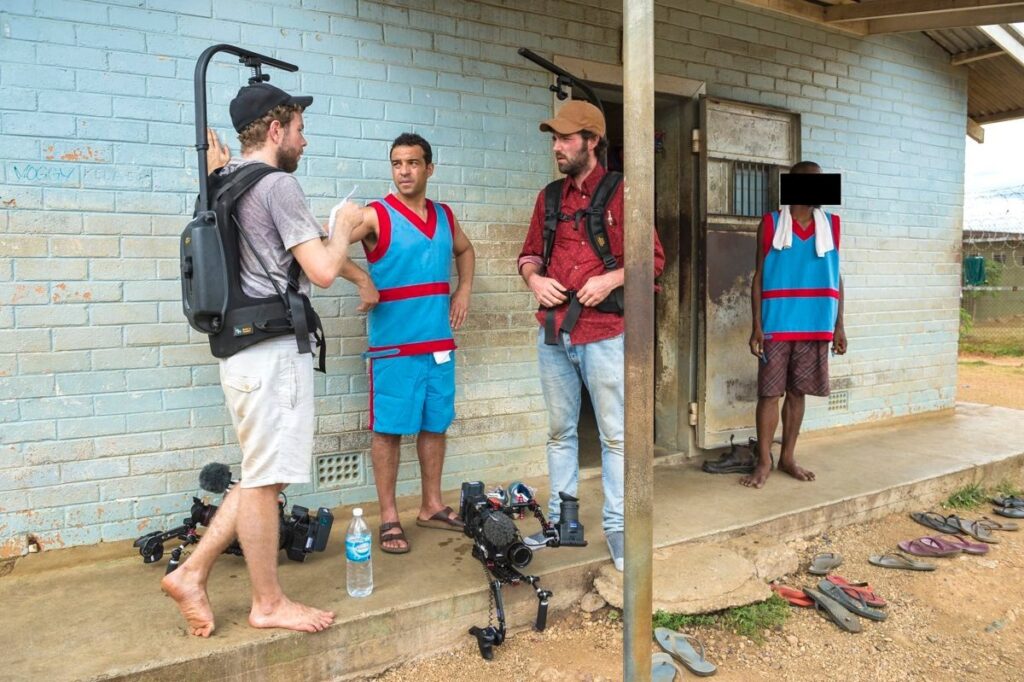
Inside the World’s Toughest Prisons — Bomana
Access, permissions and logistics for filming inside Bomana prison, near Port Moresby.
BBC
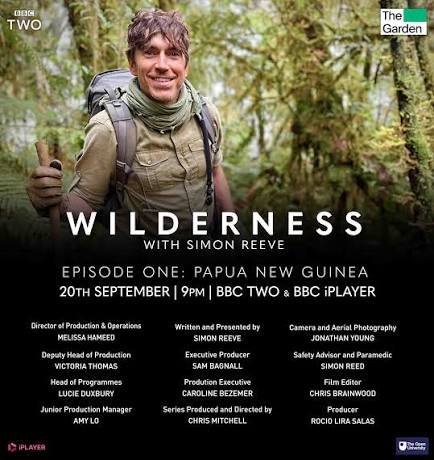
Wilderness with Simon Reeve — Series 2
In search of the tenkile tree kangaroo around Maprik, west of Wewak: production advice and a fixer from our network for the 15-day shoot.
Arte
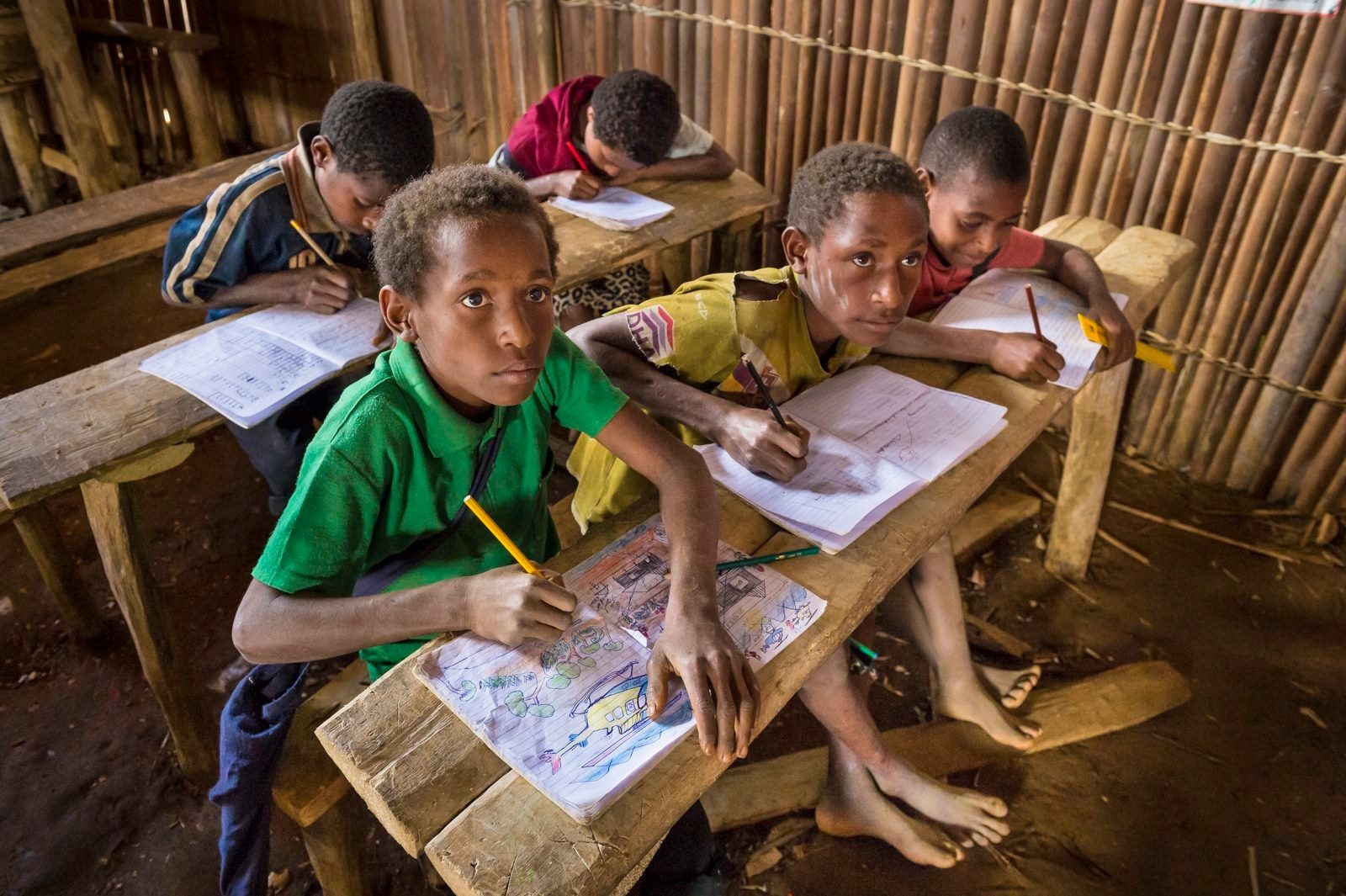
Most Dangerous Ways to School
Following children on their long and risky journey to school in the Bosavi region. Permits, access, logistics and community liaison: we handled it all.
Where we work
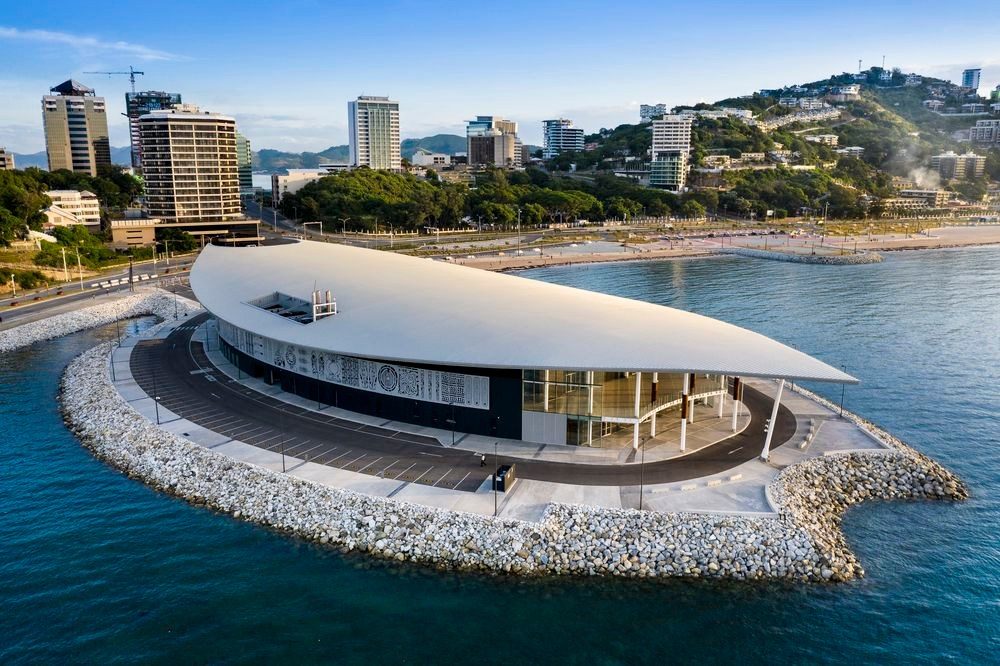
From Port Moresby to remote field locations
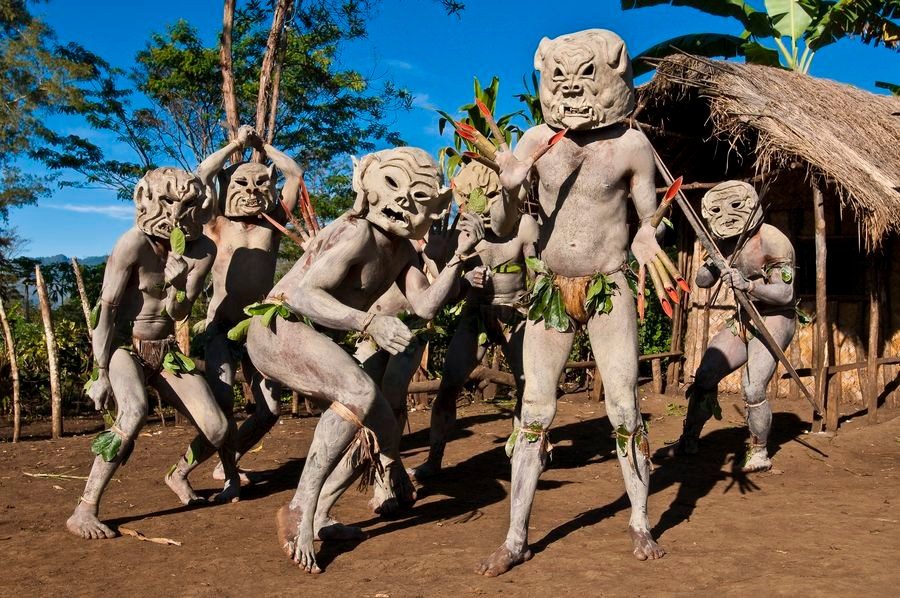
We have filmed in every province of Papua New Guinea — highlands, rivers, islands and cities — with local contacts and friends in each of them. Each project is scoped around access, travel time, community relations, permissions, accommodation, transport, crew and equipment.
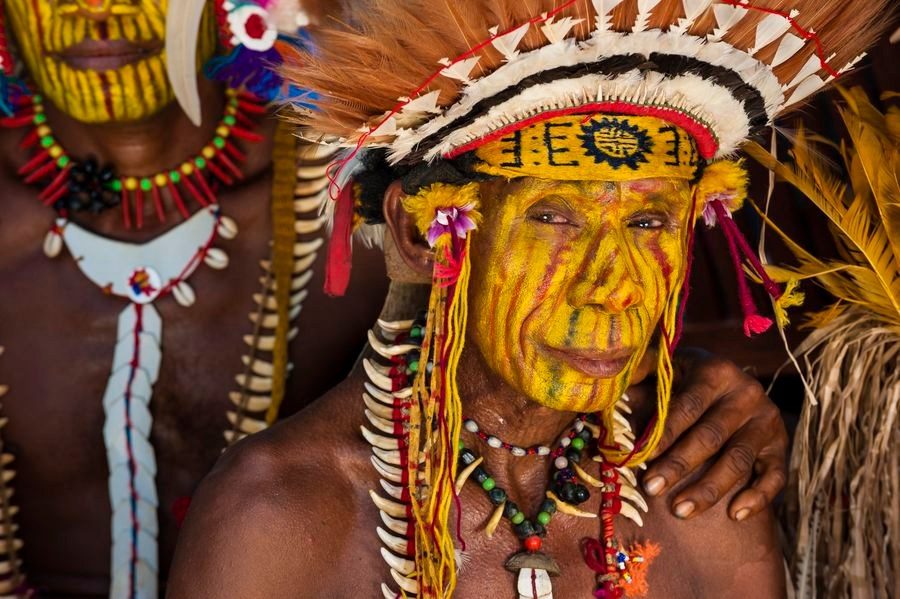
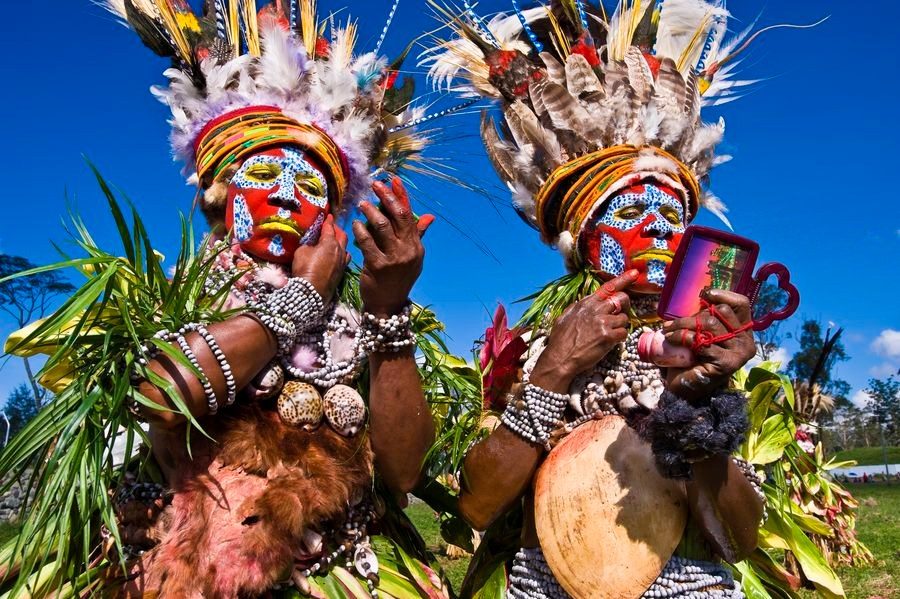
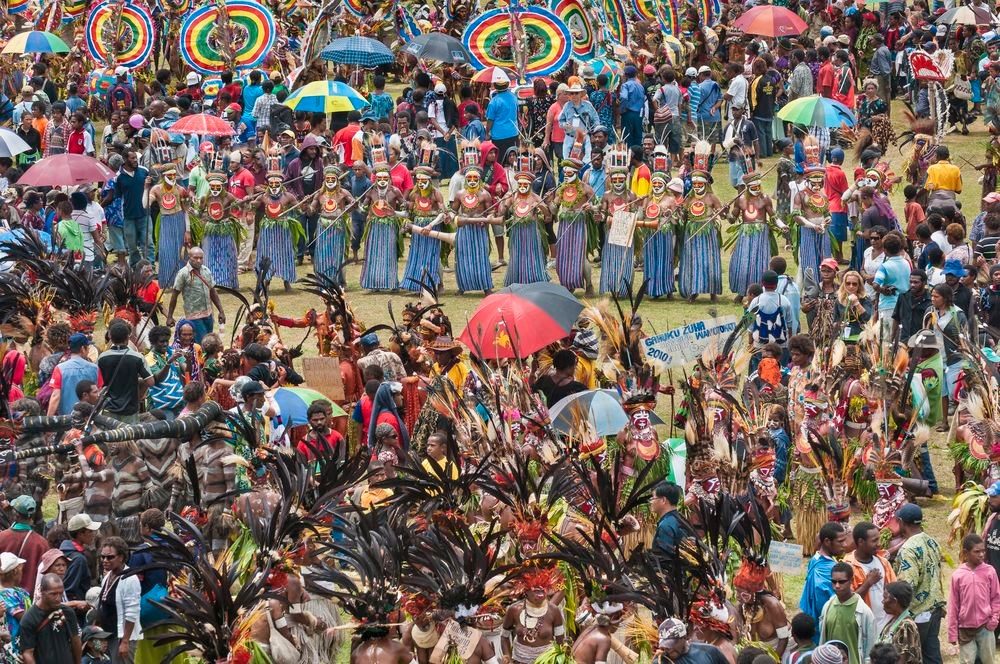
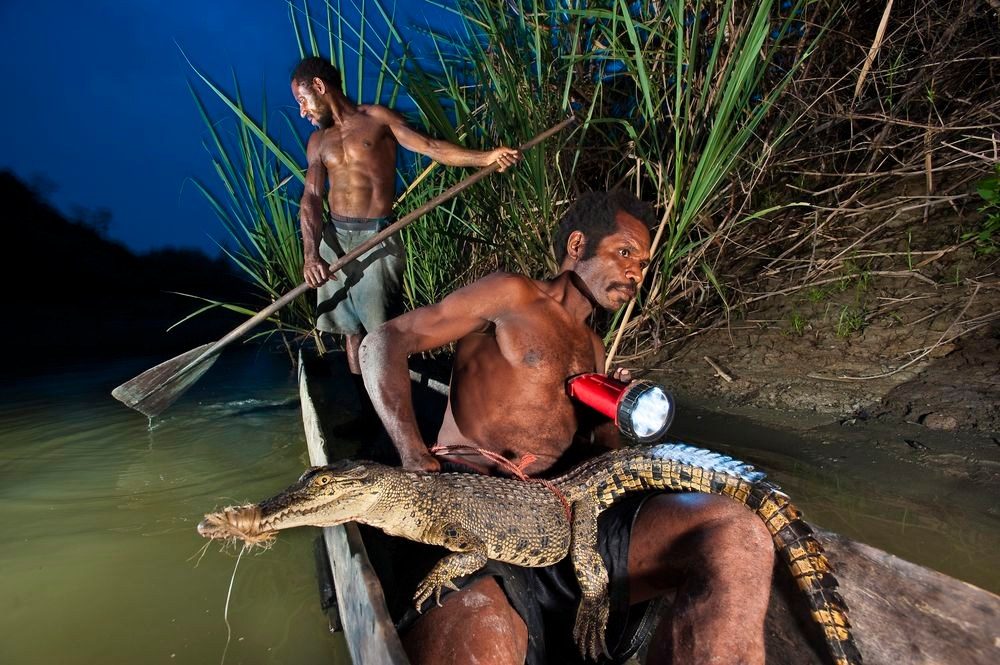
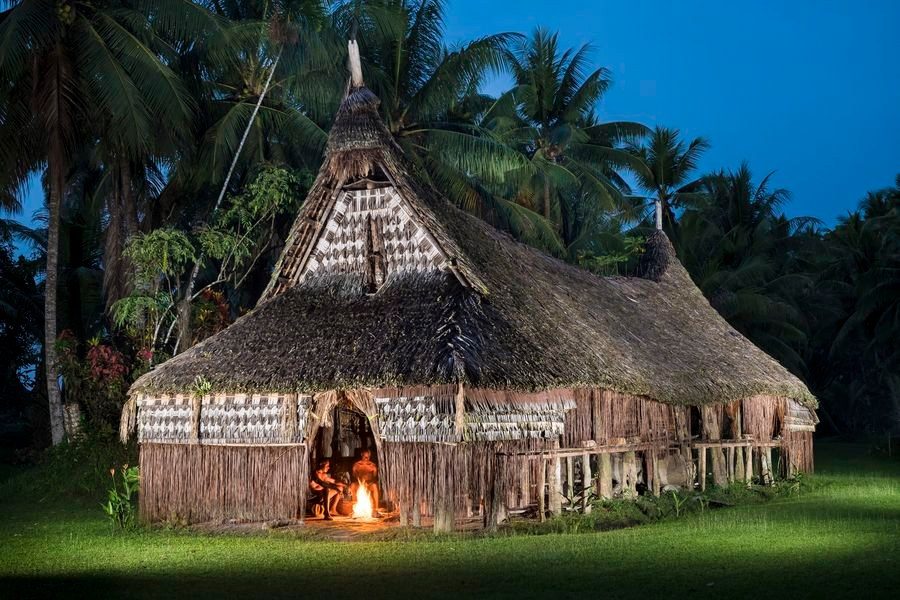
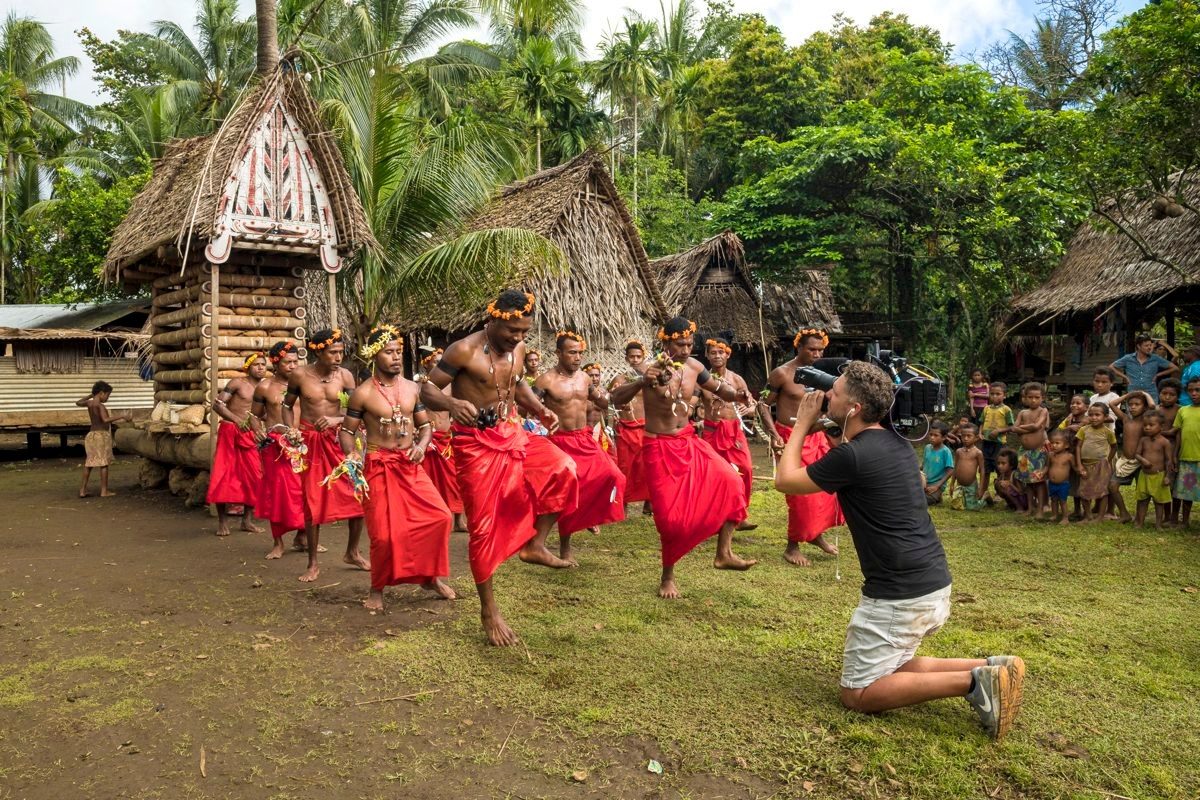
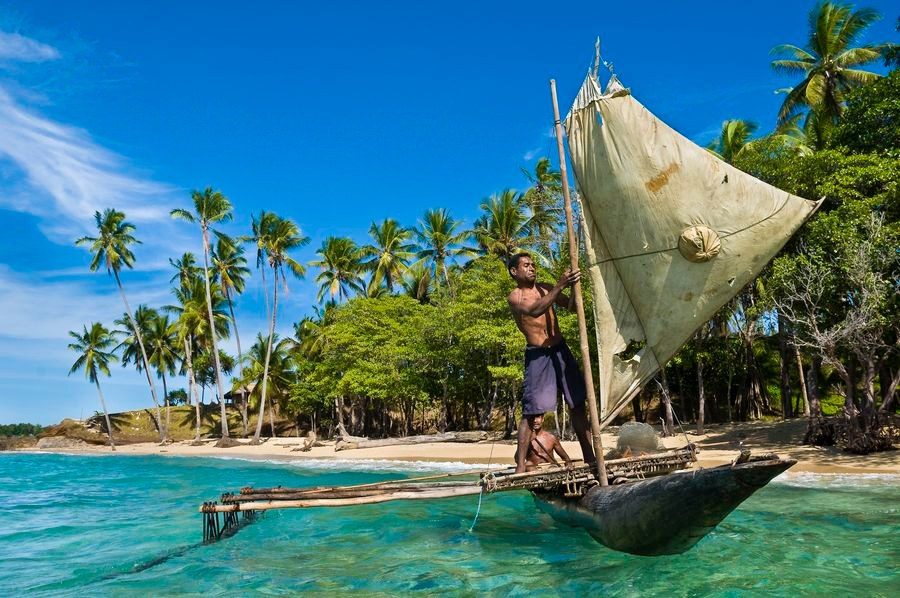
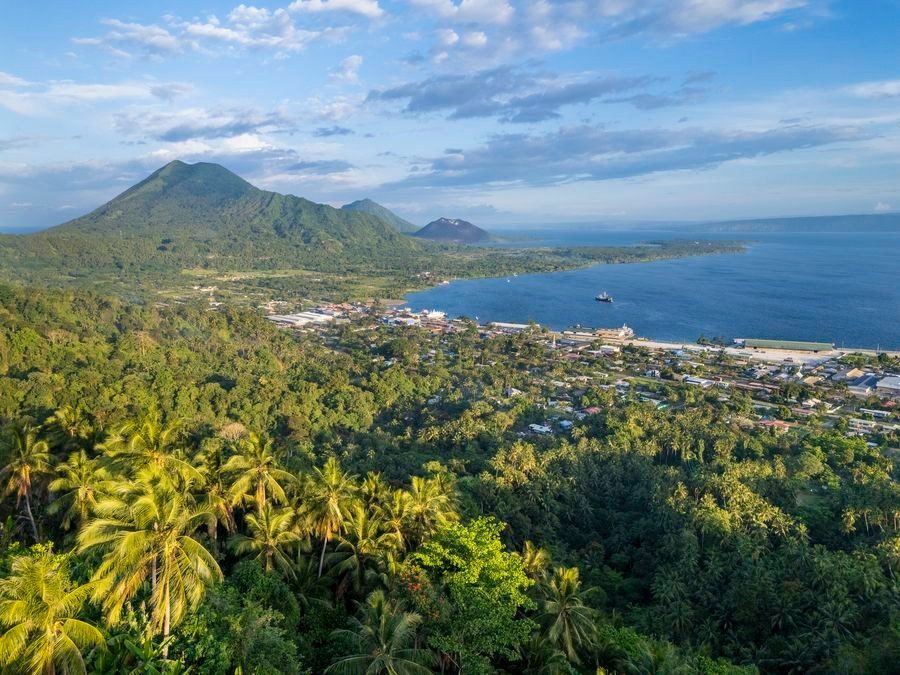
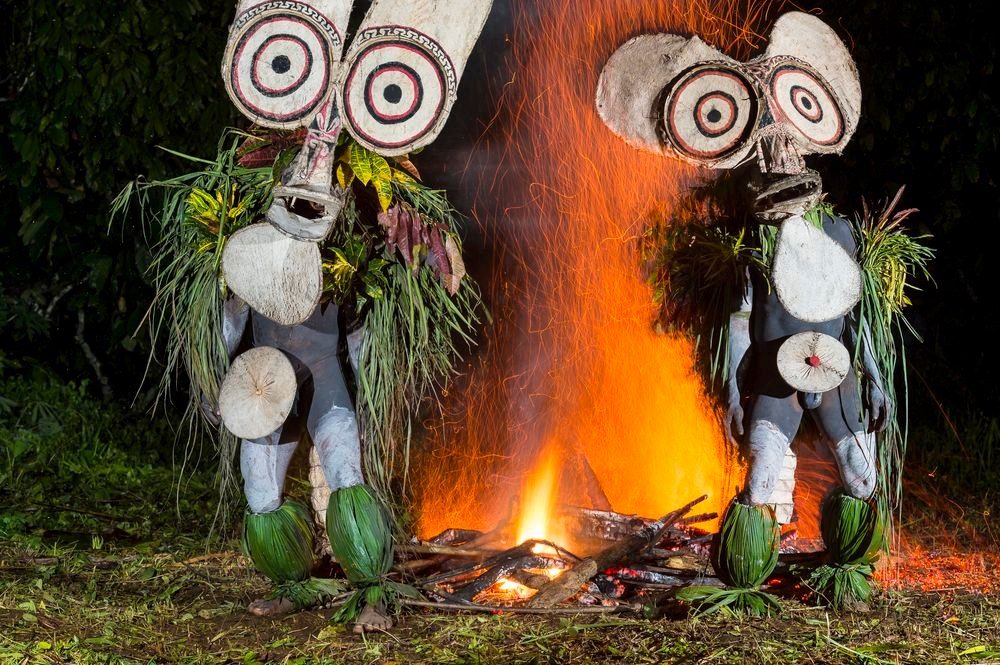
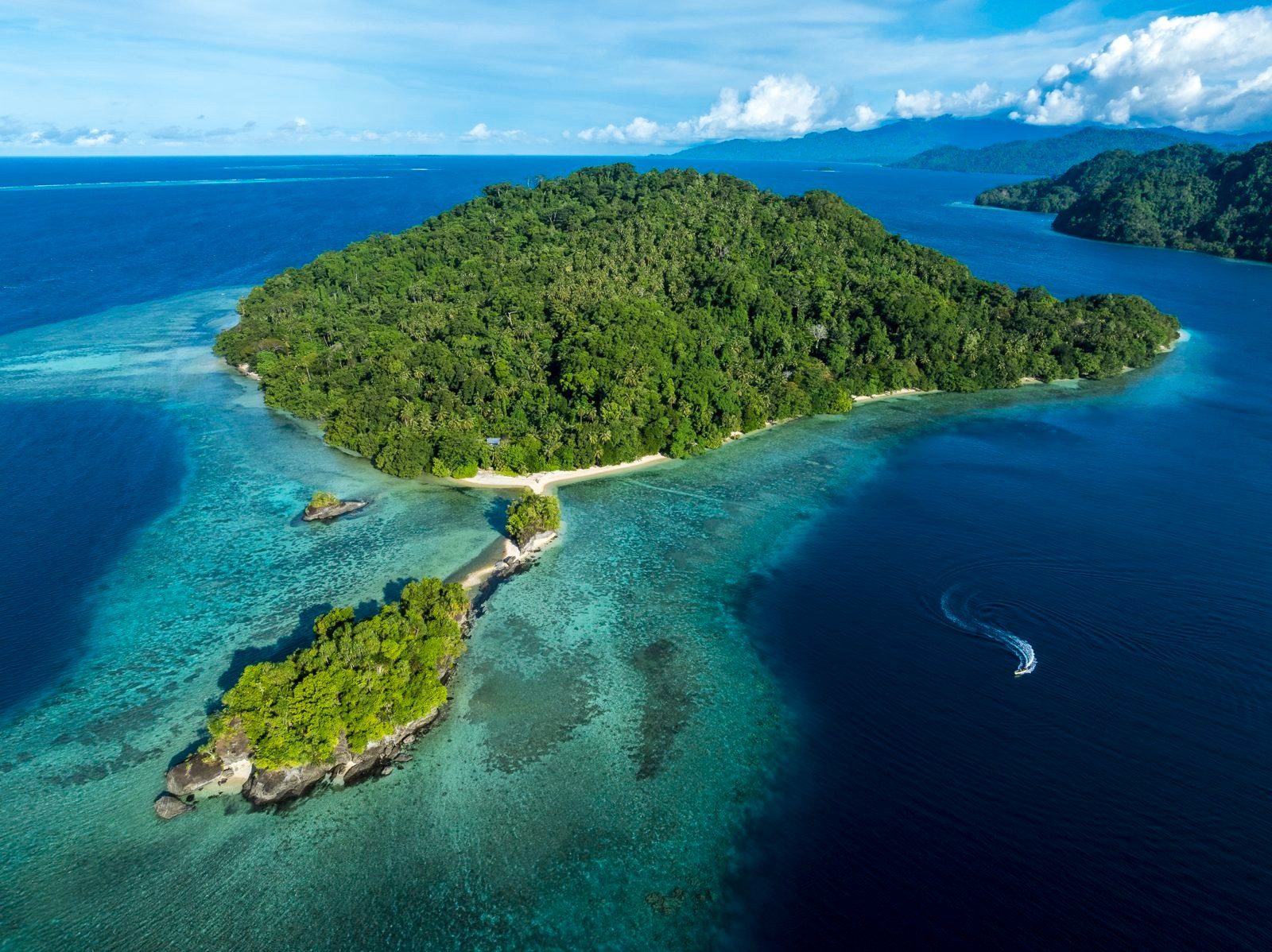
National Capital District·Central·Gulf·Oro·Milne Bay·Morobe·Madang·East Sepik·Sandaun·Enga·Hela·Southern Highlands·Western Highlands·Jiwaka·Simbu·Eastern Highlands·Manus·New Ireland·East New Britain·West New Britain·Bougainville
On location
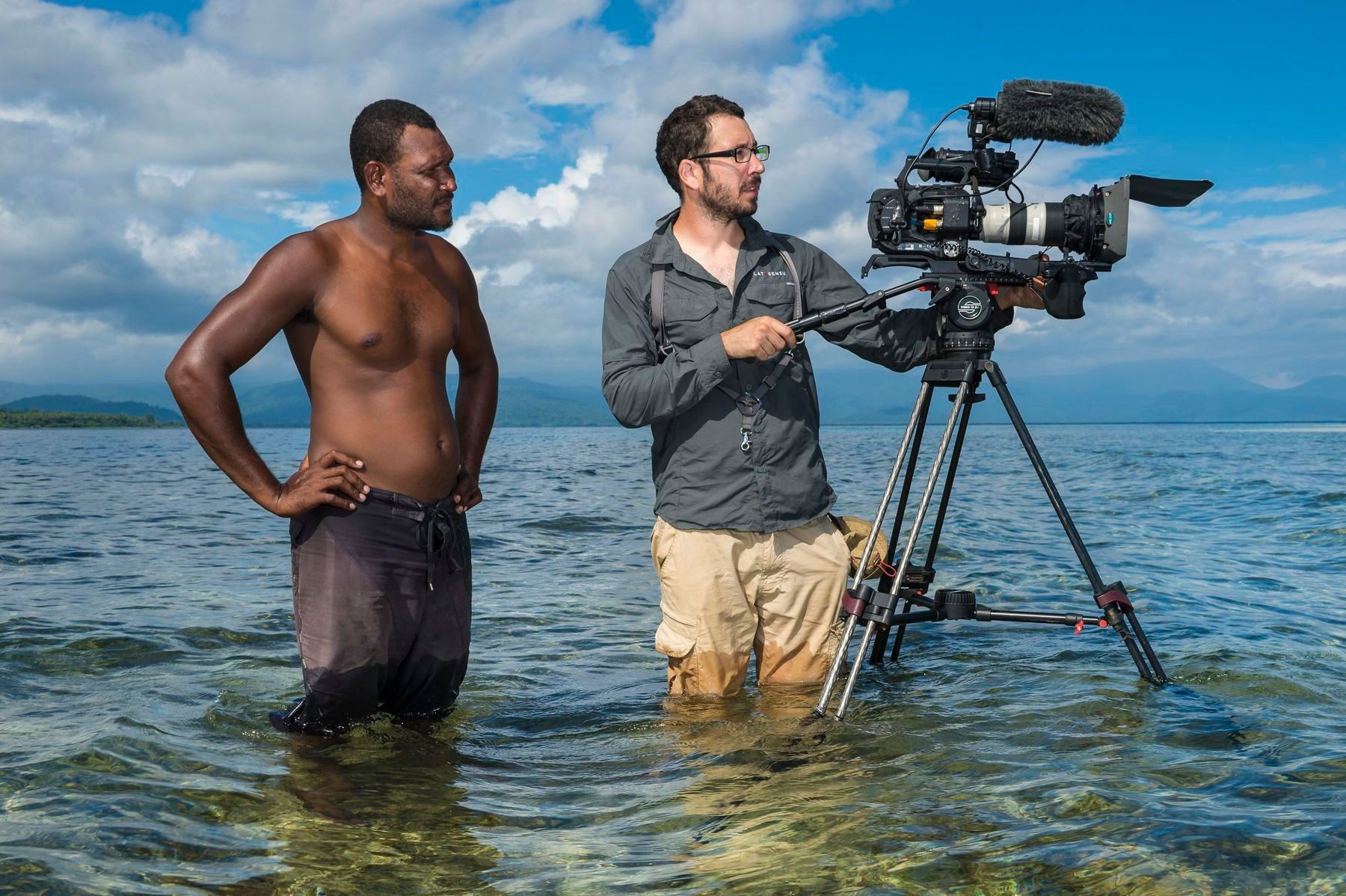
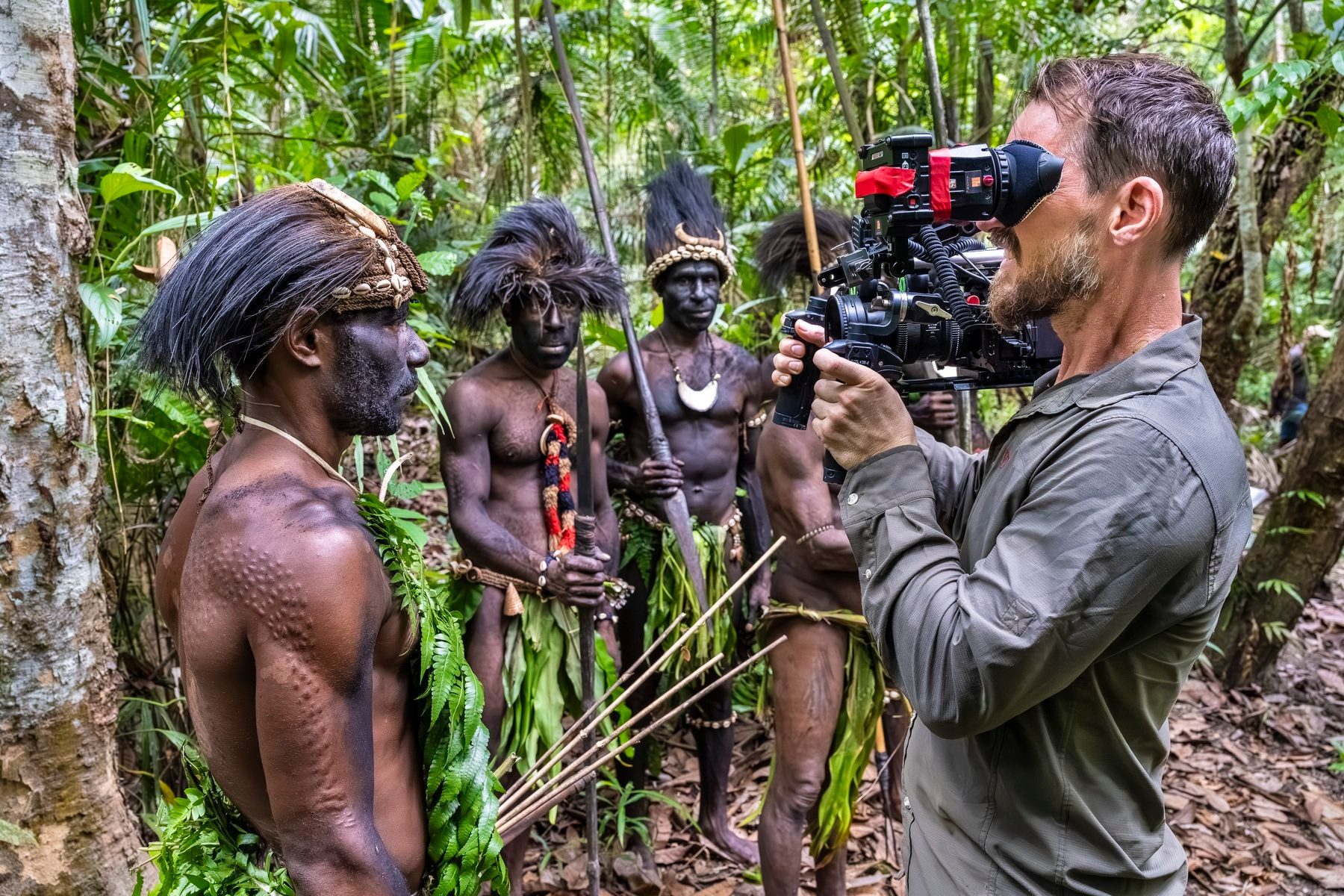
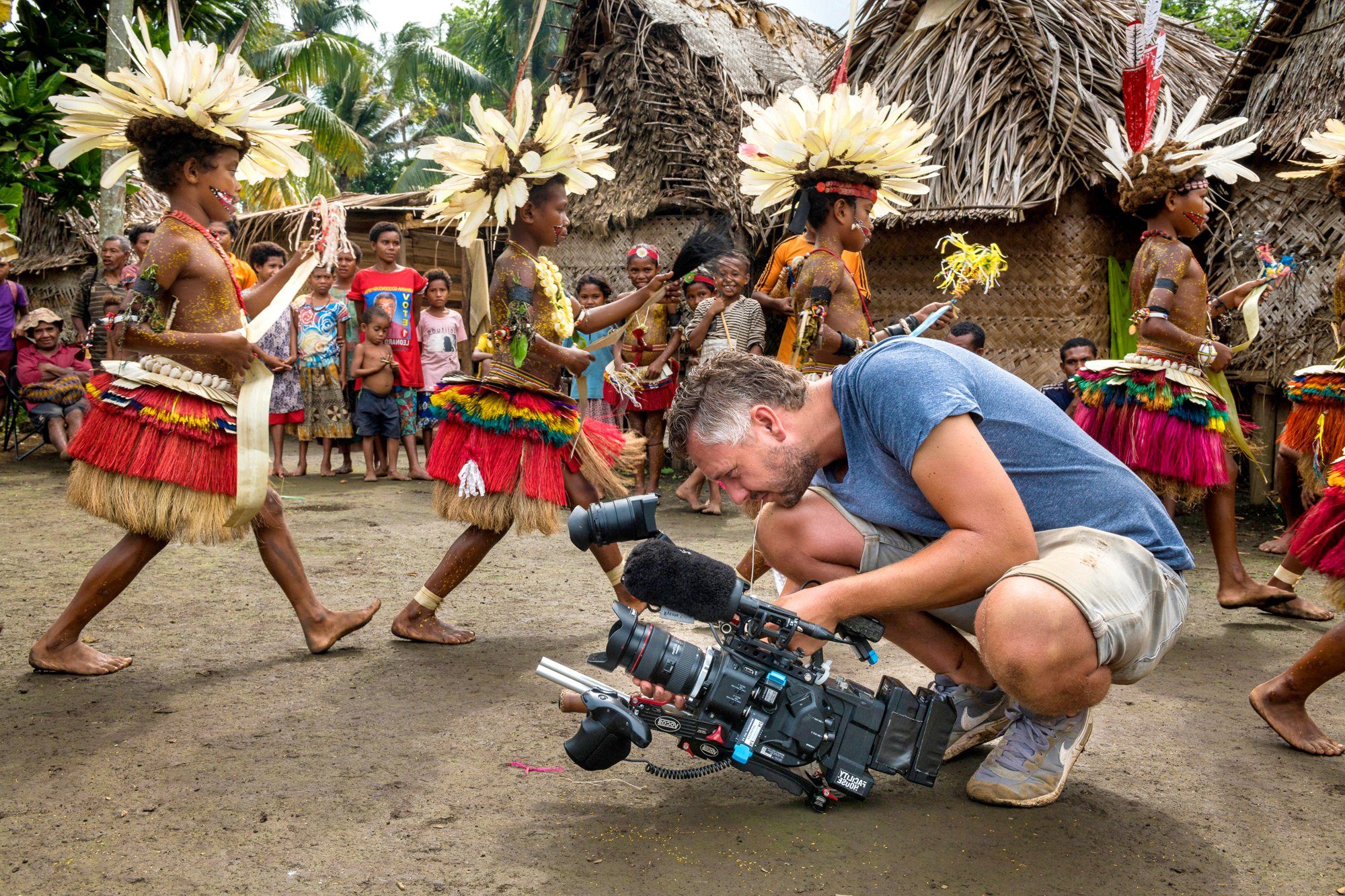
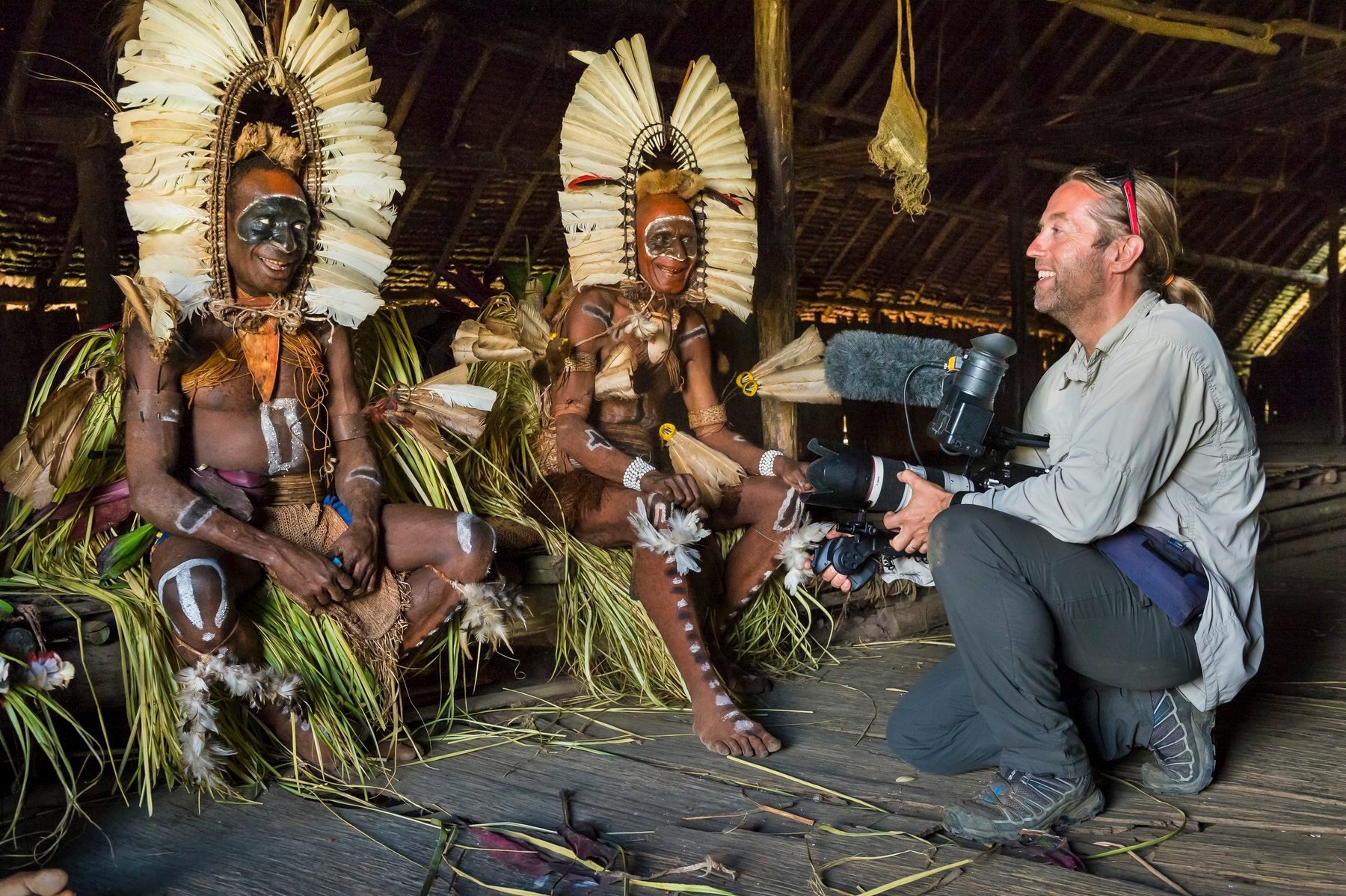
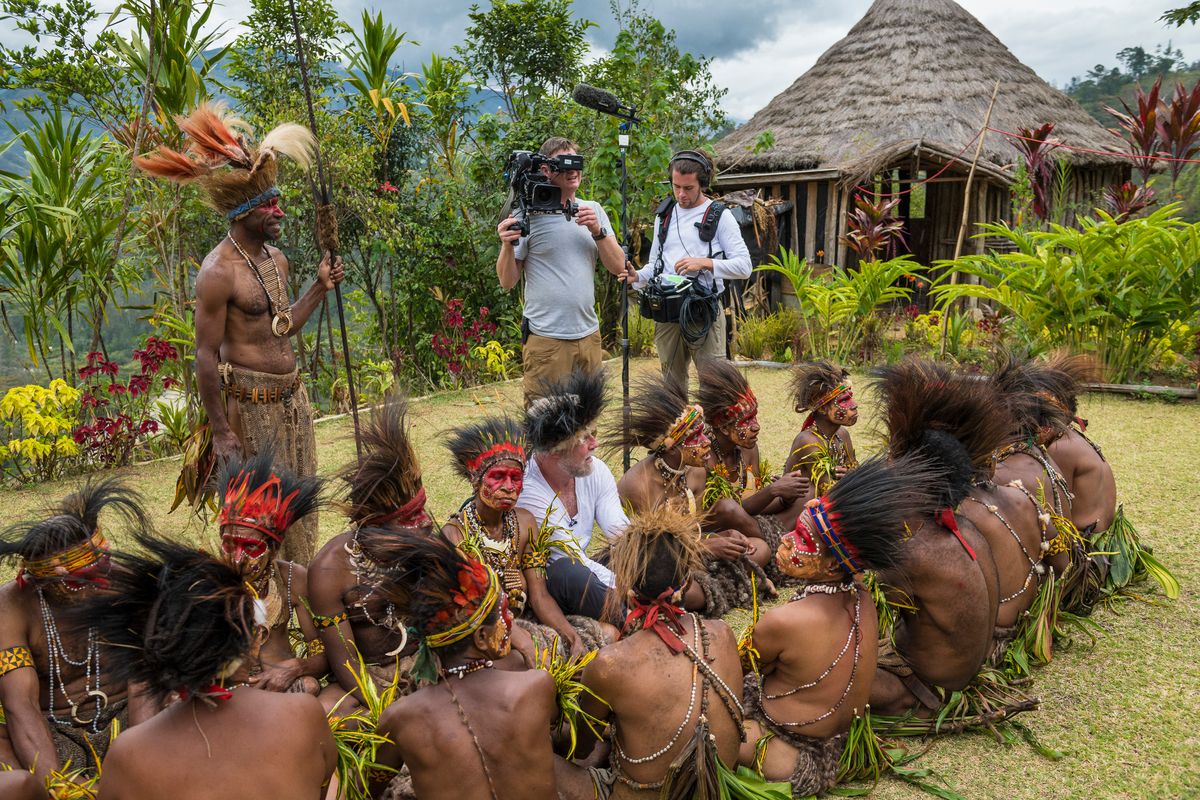
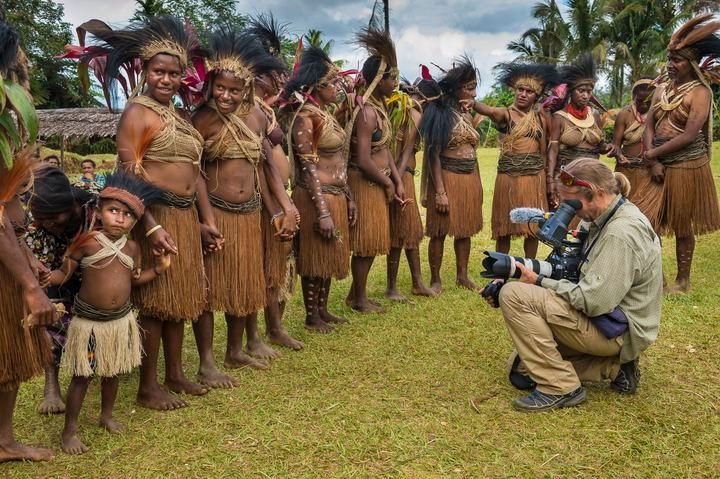
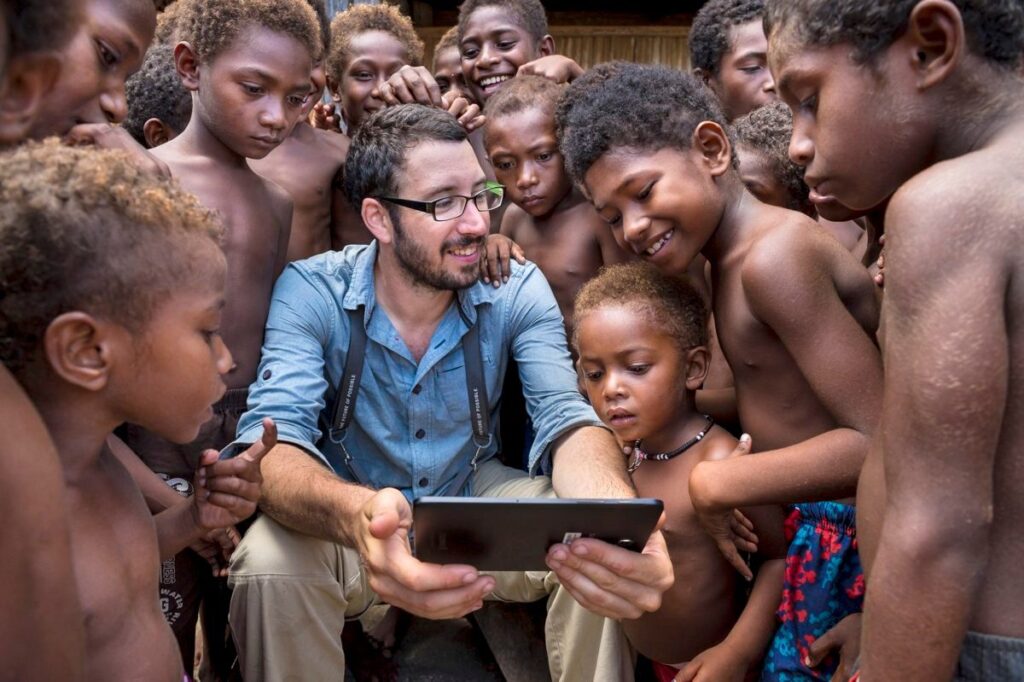
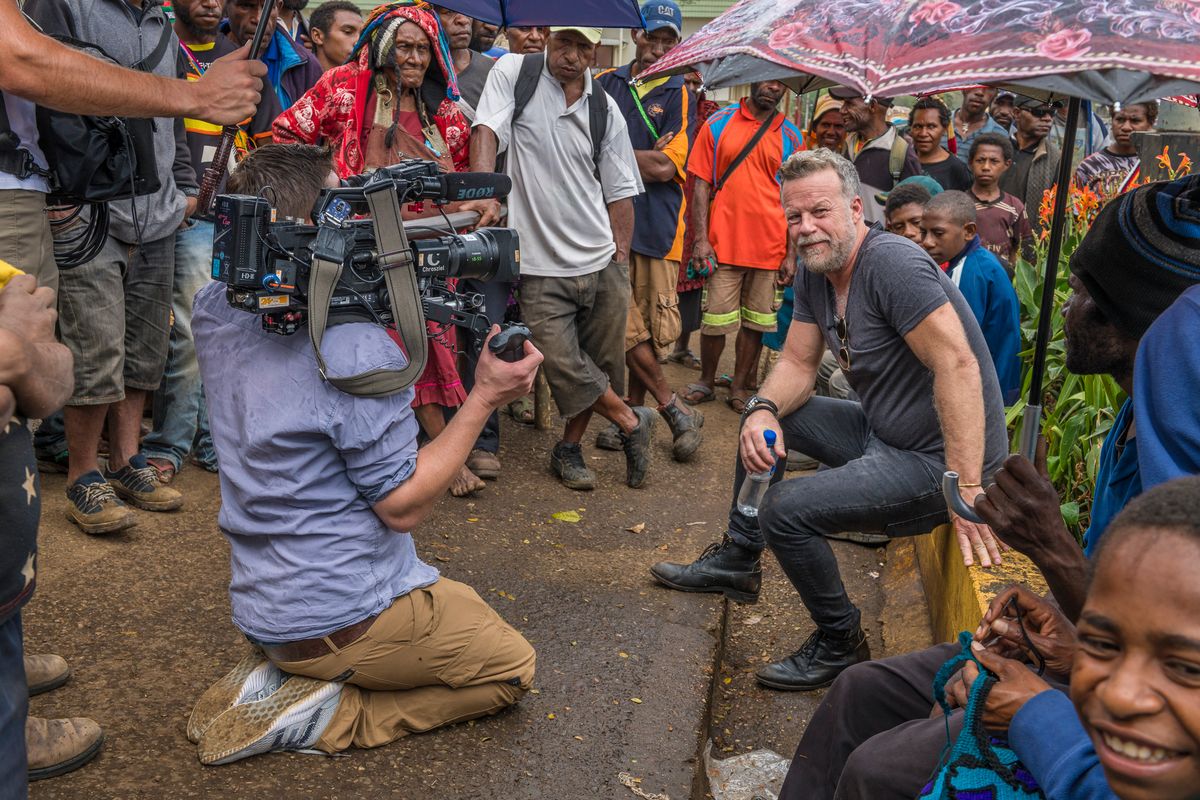
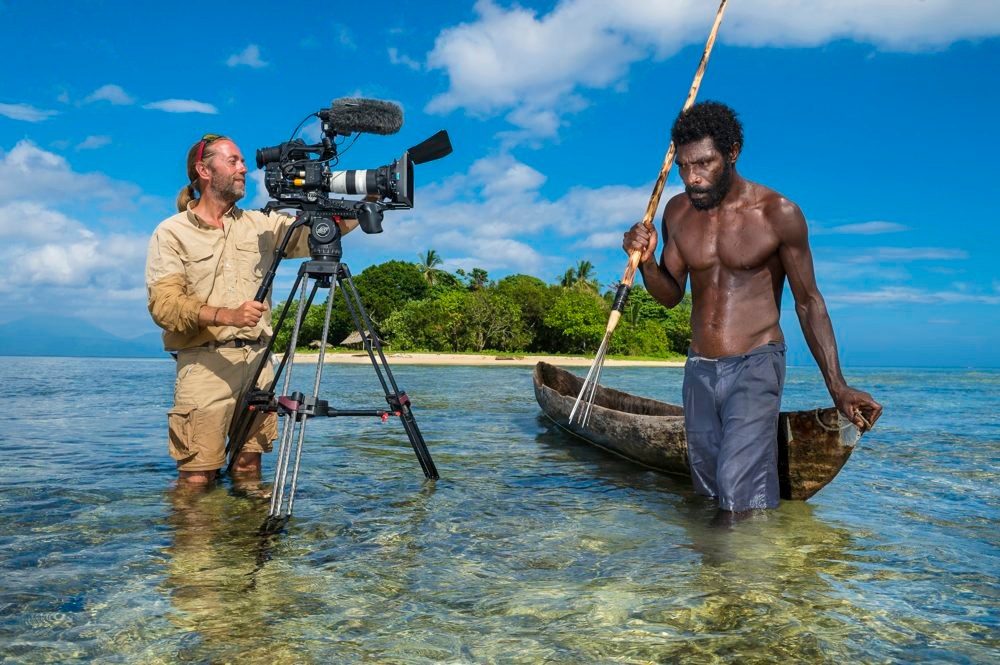
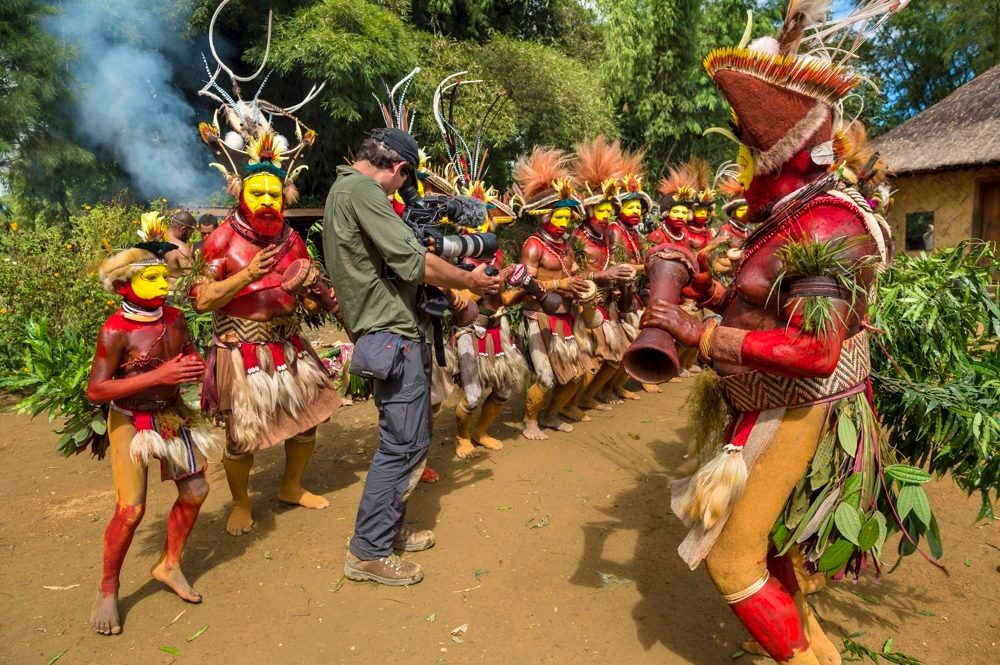
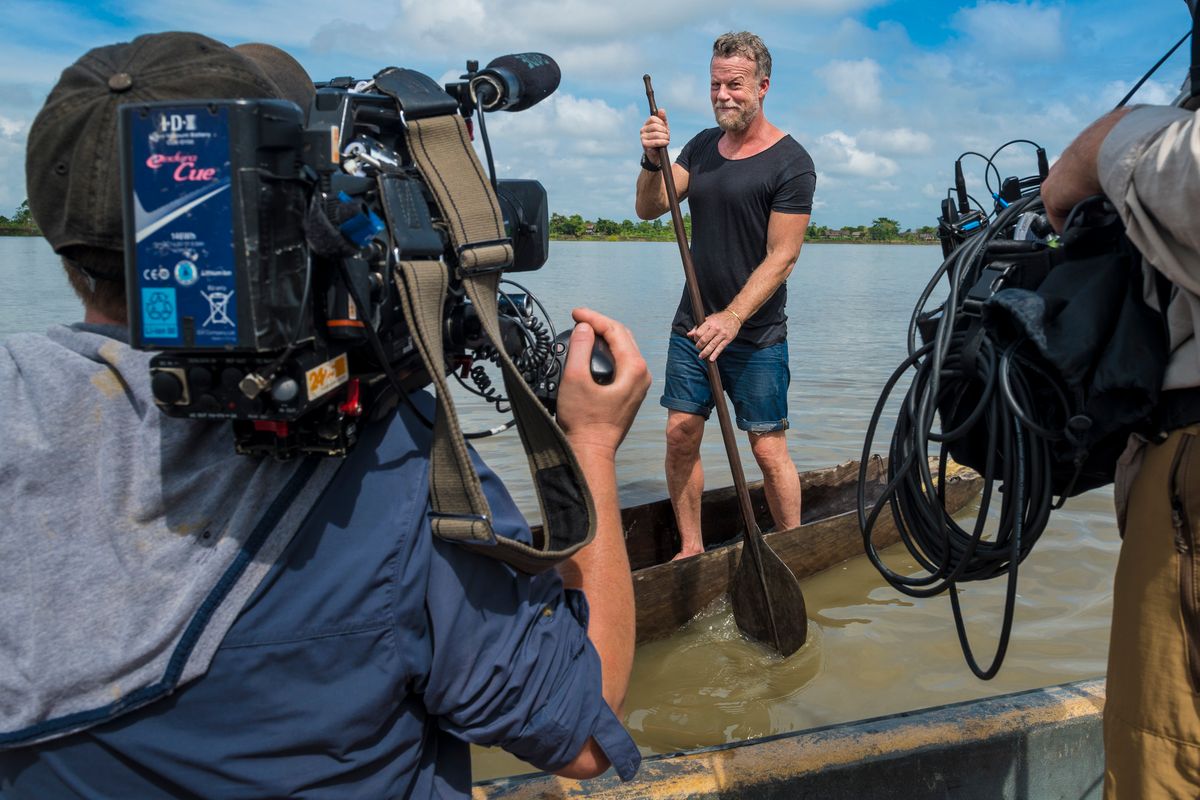
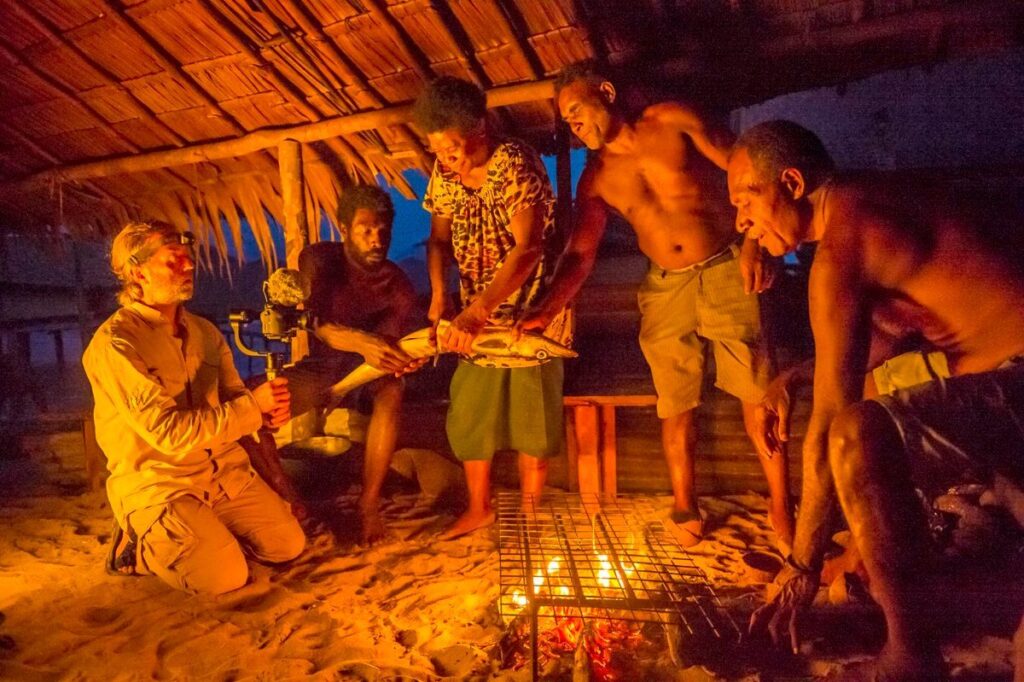
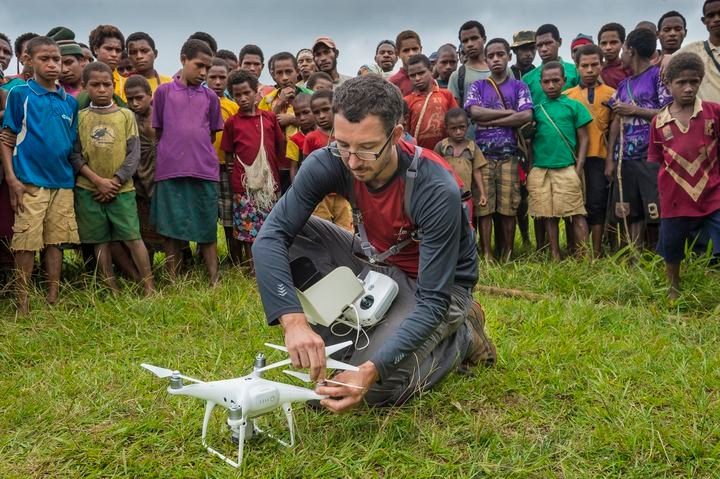
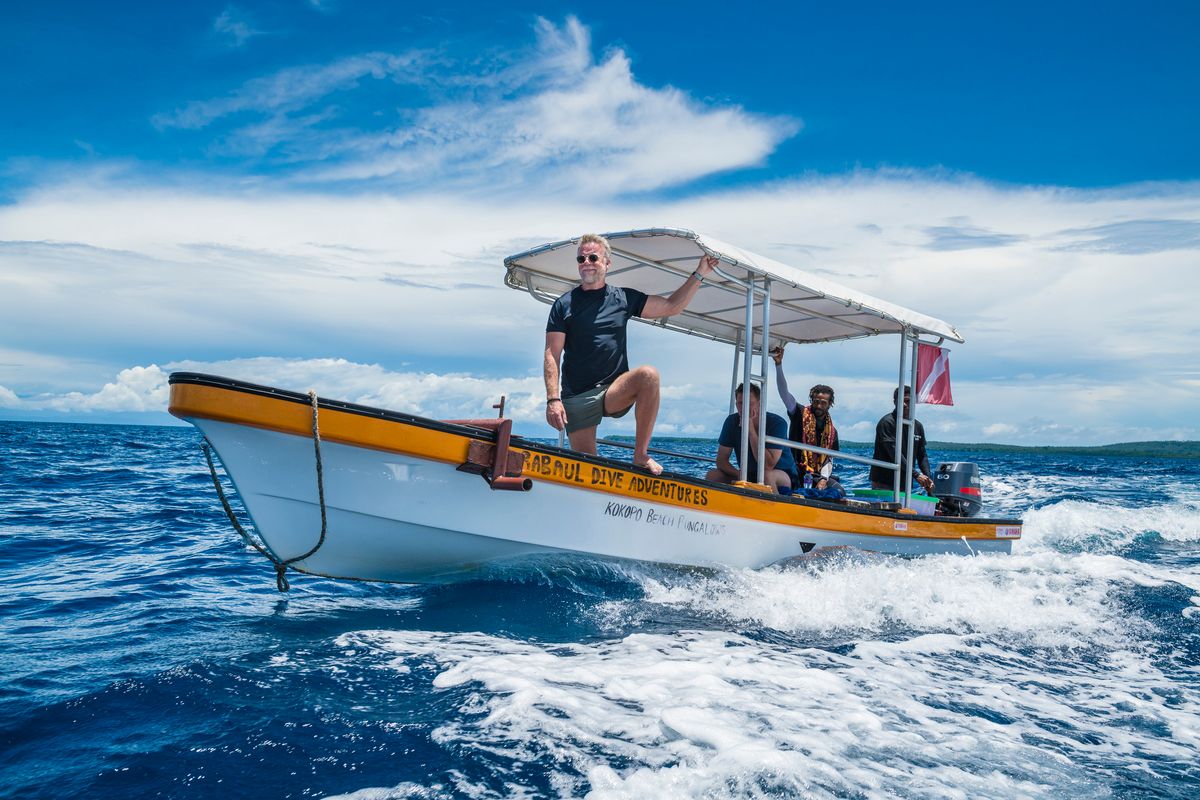
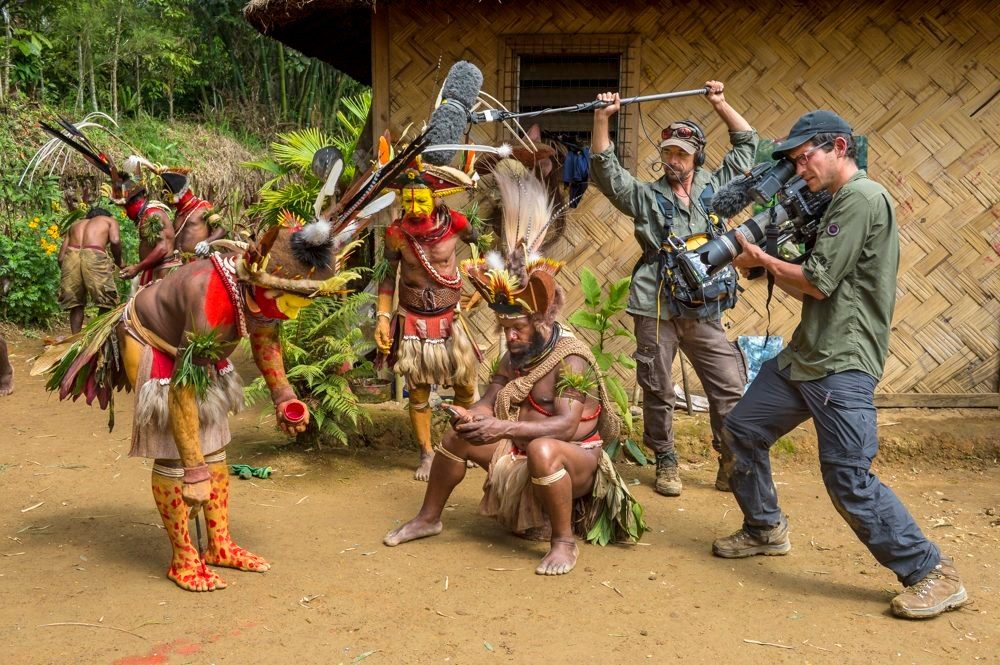
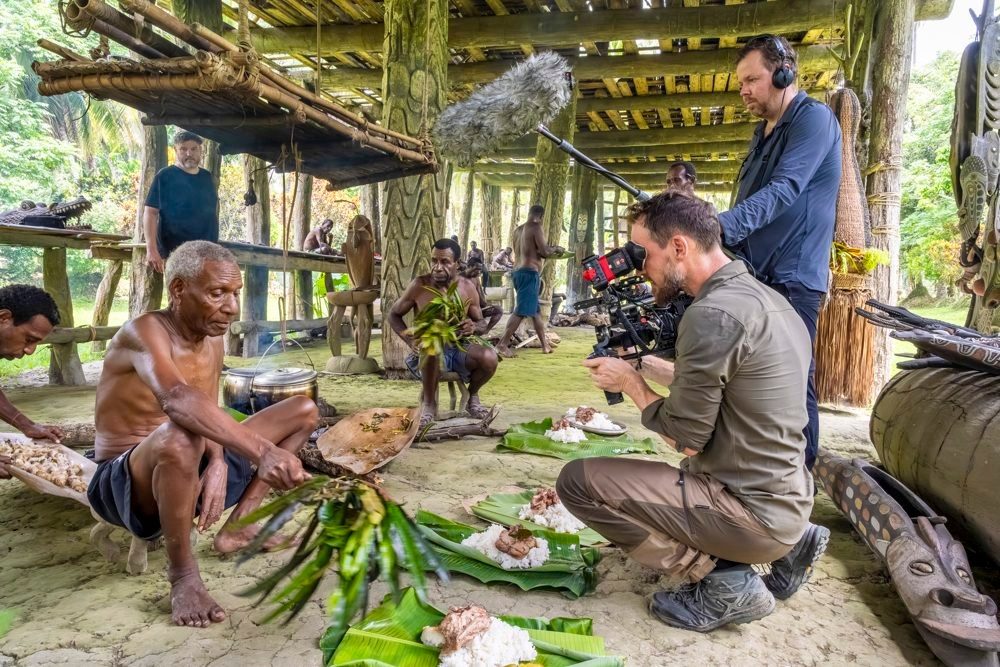
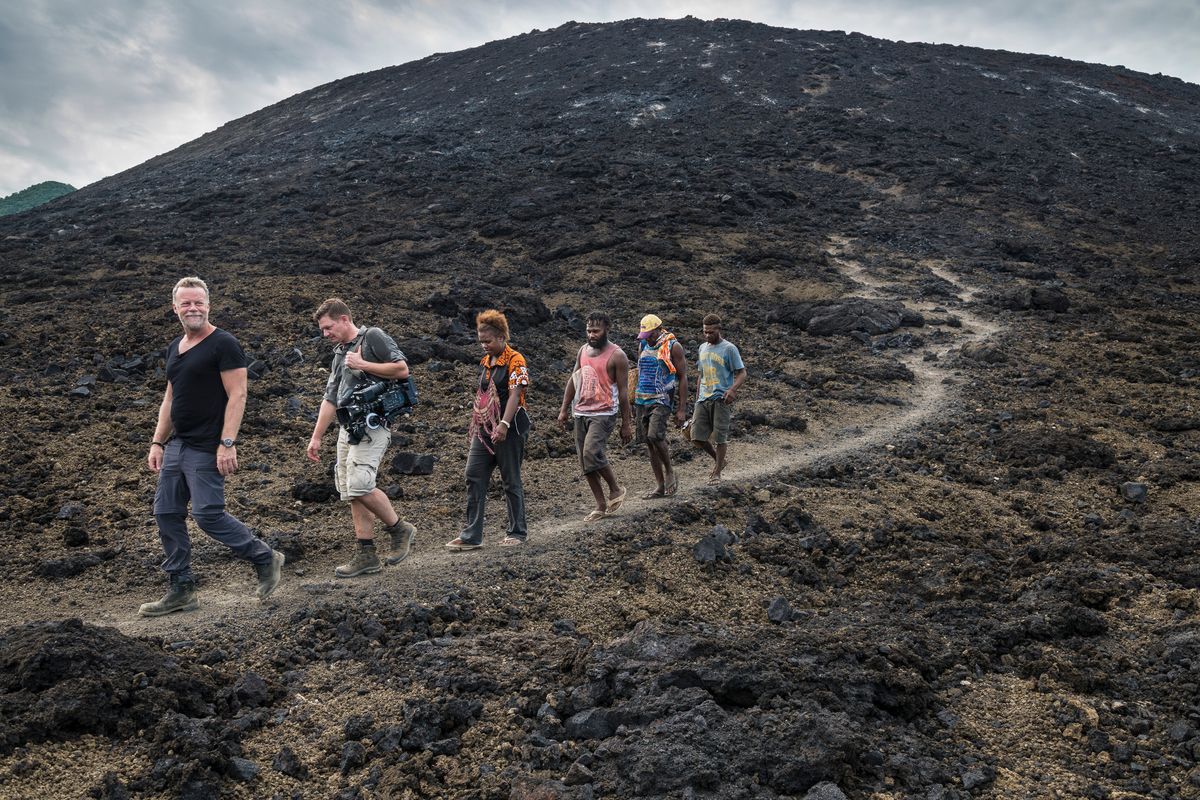
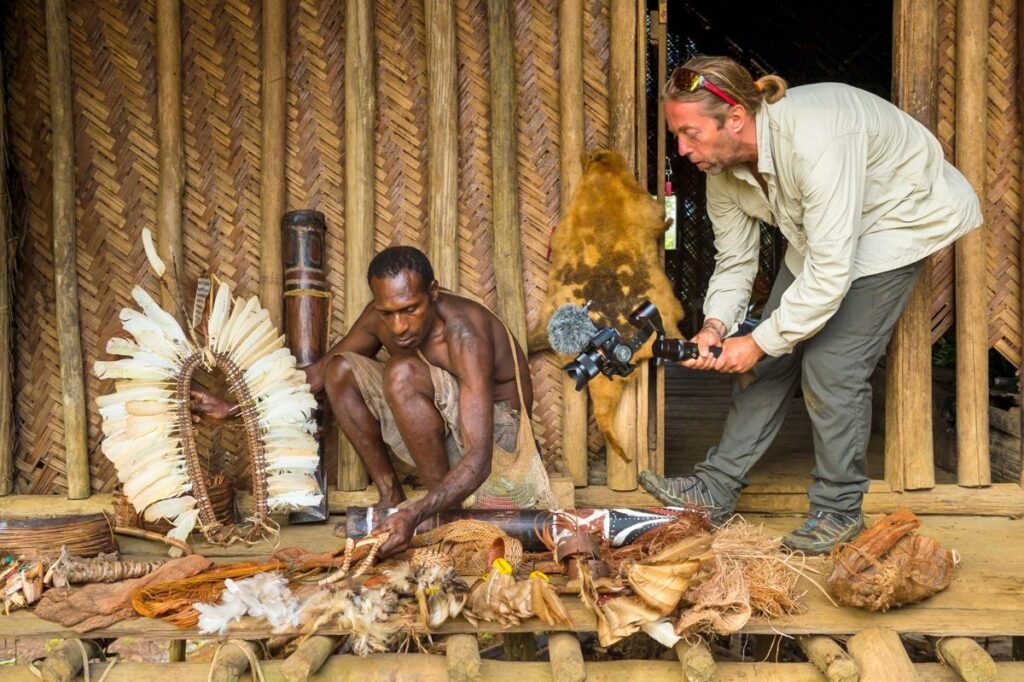
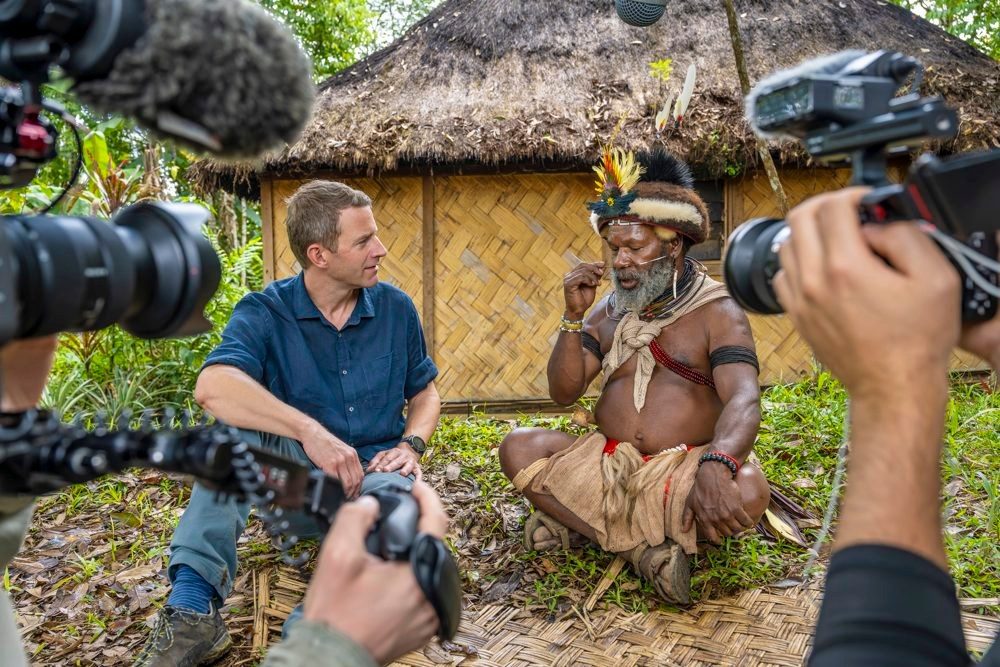
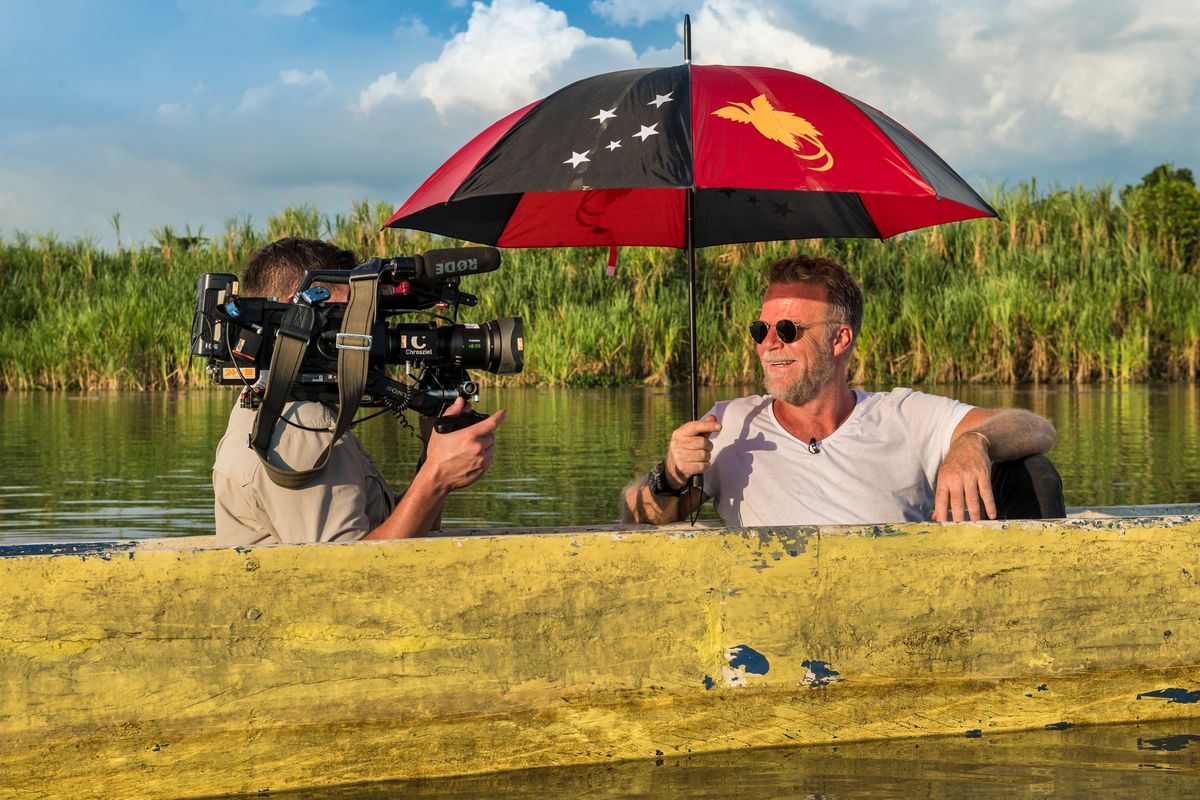
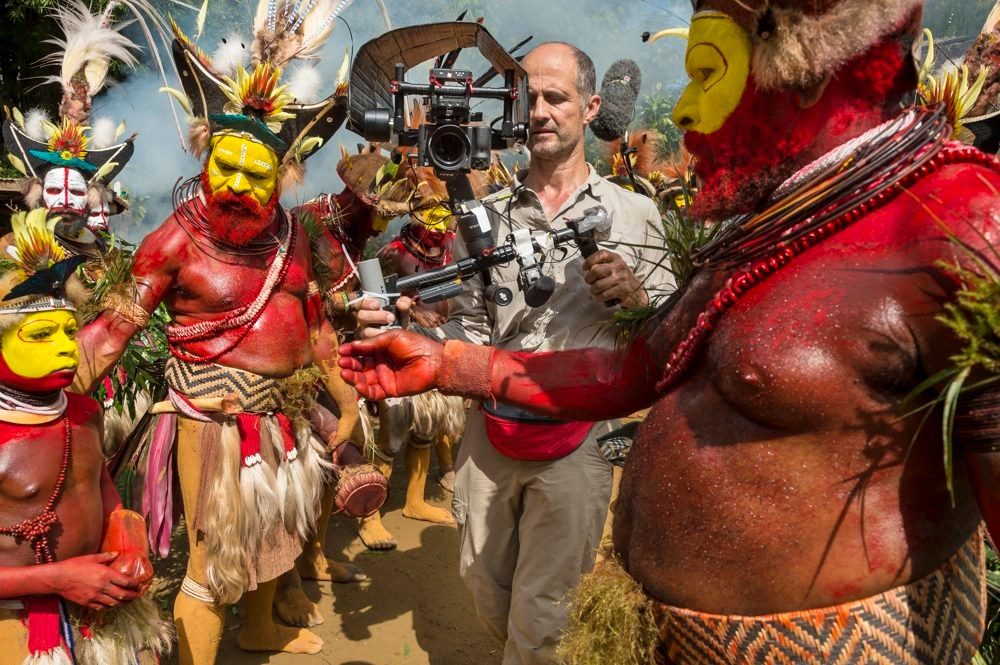
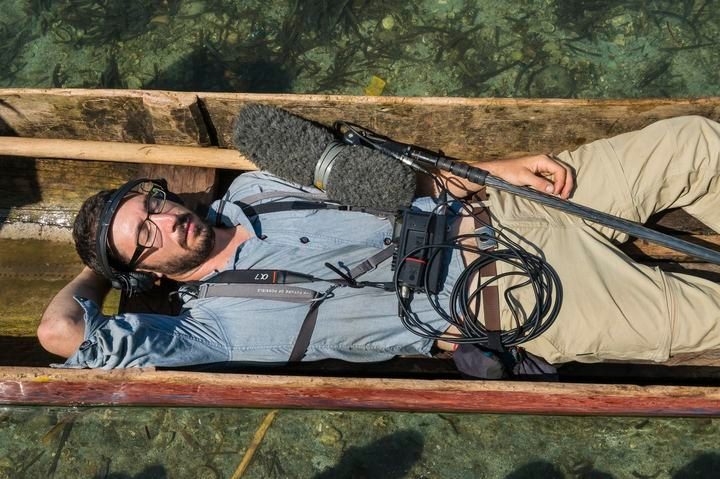
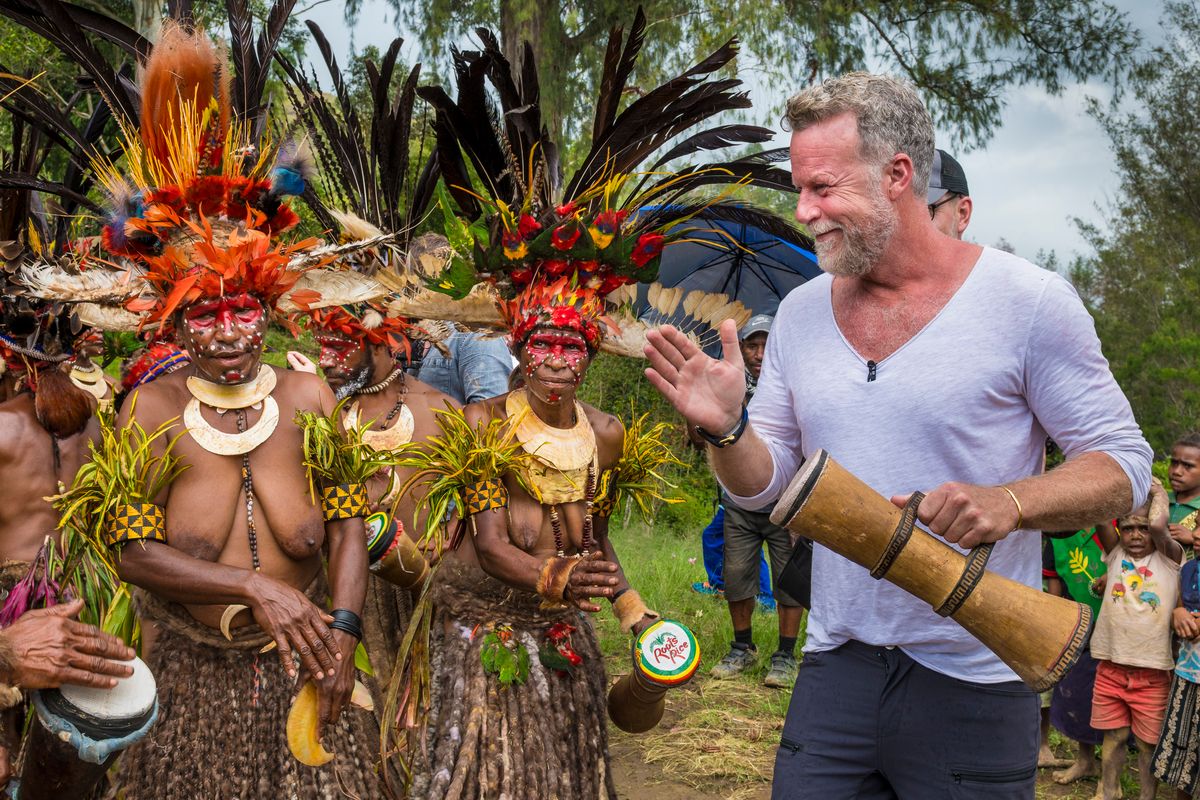
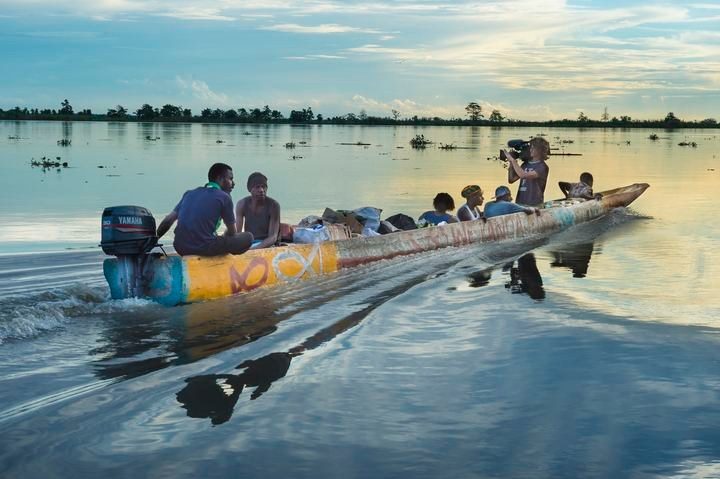
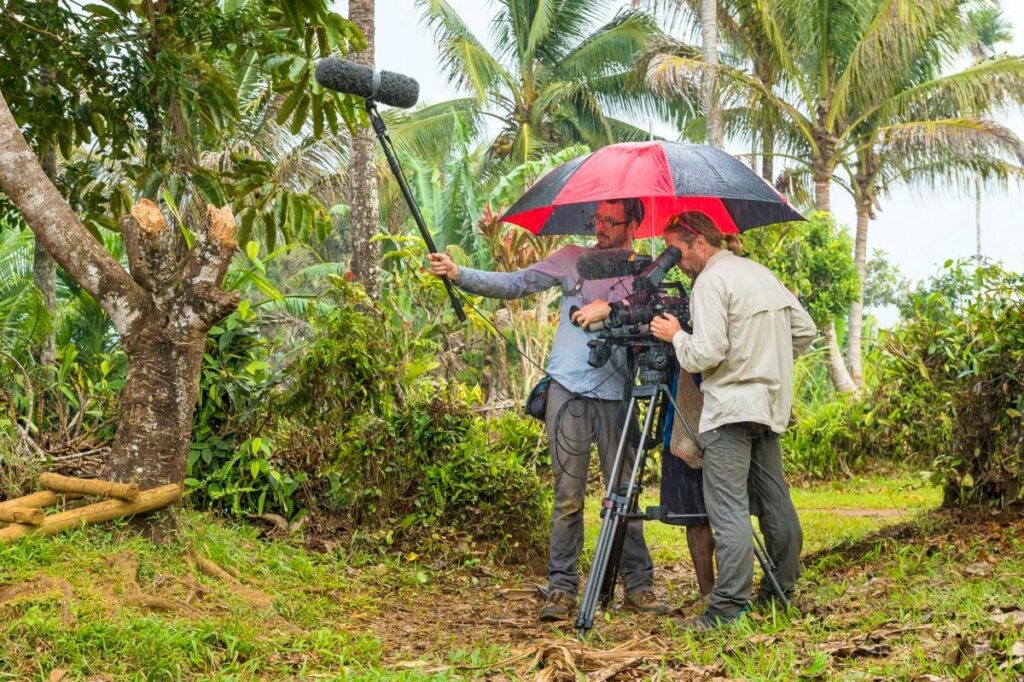
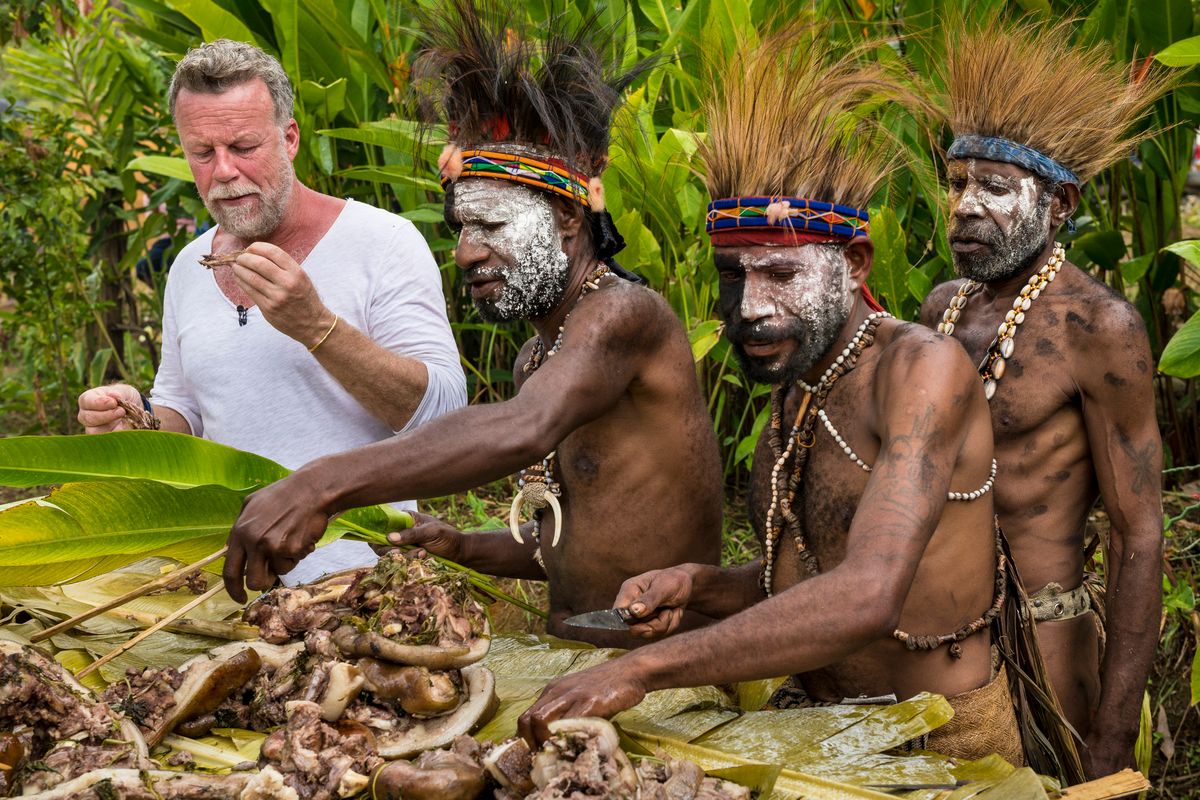
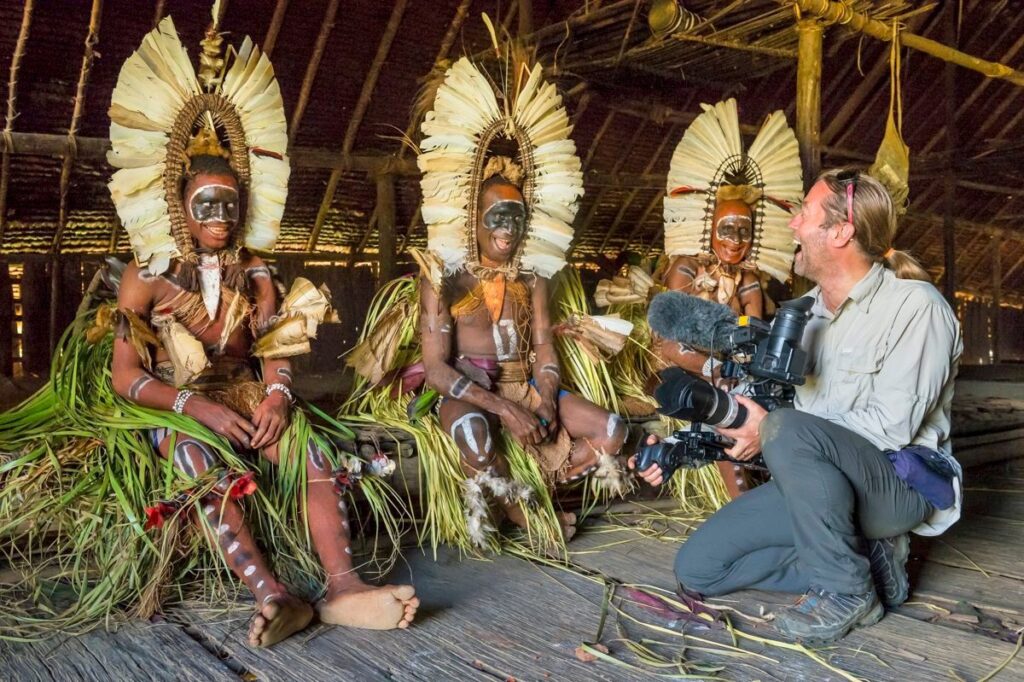
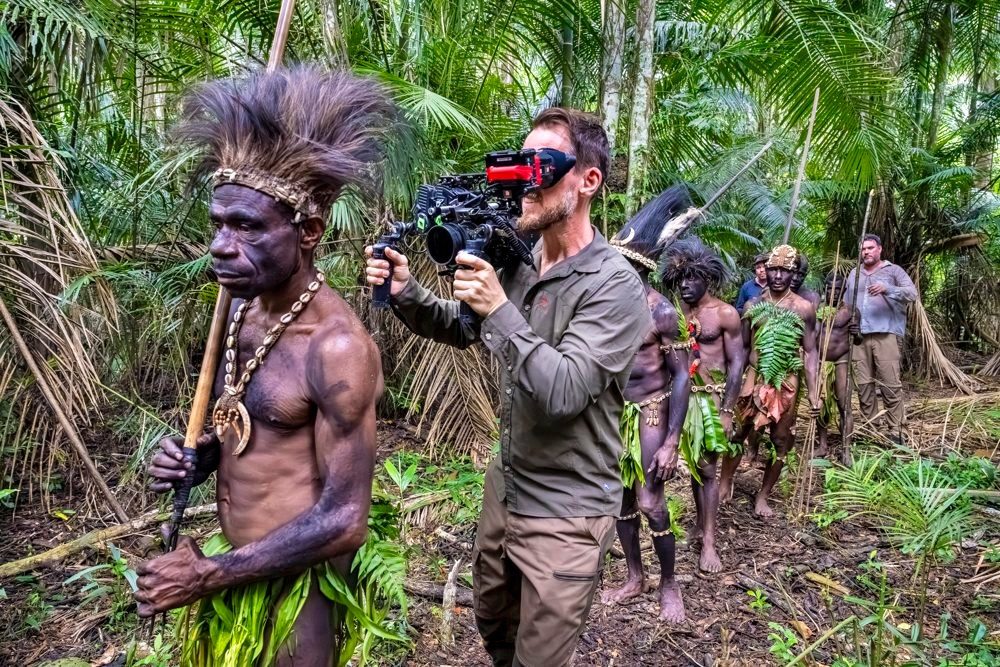
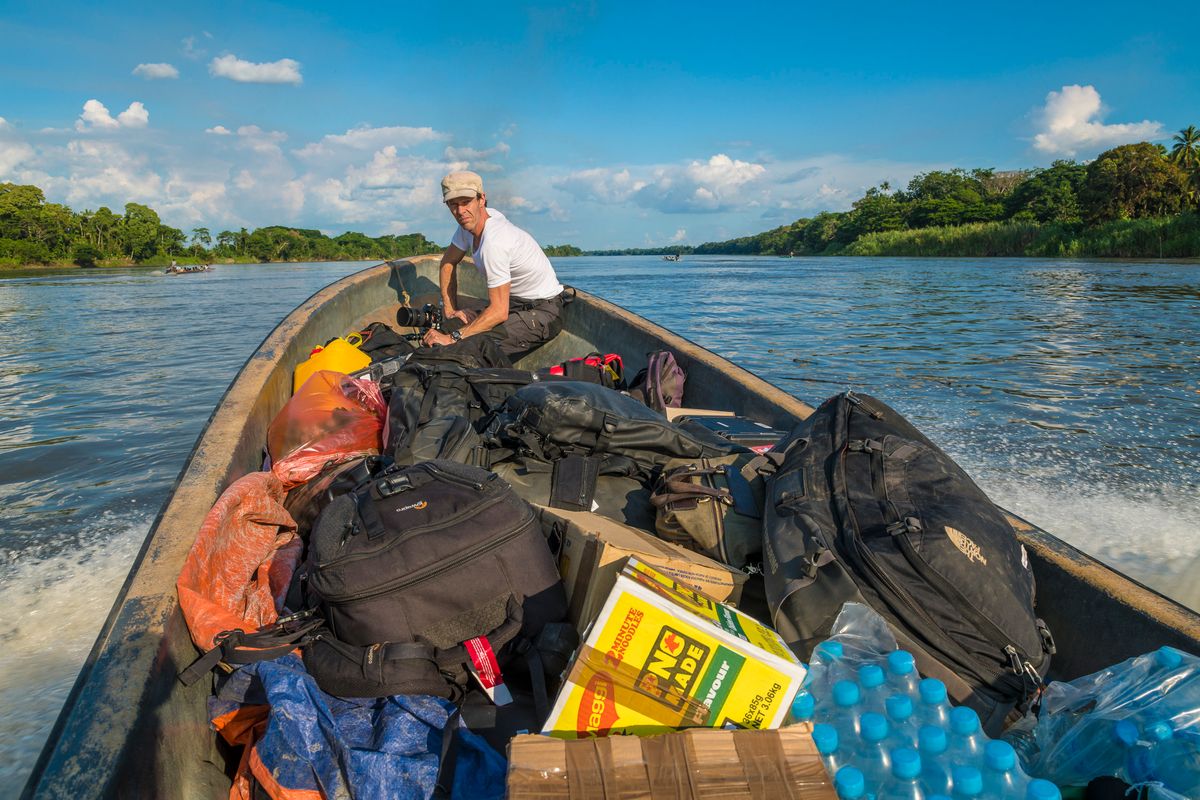
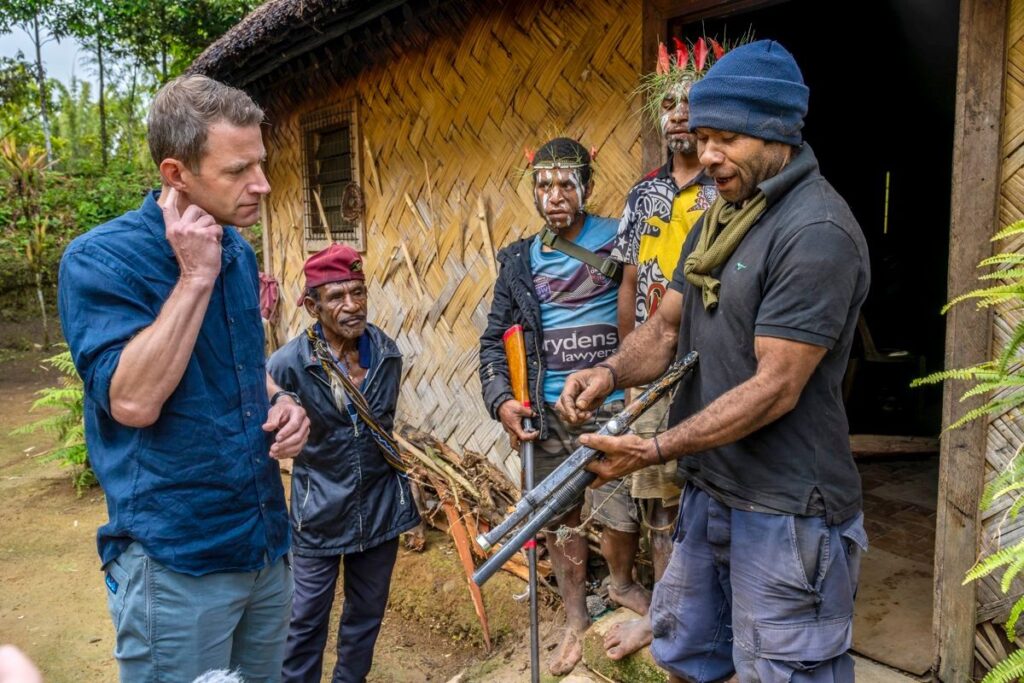
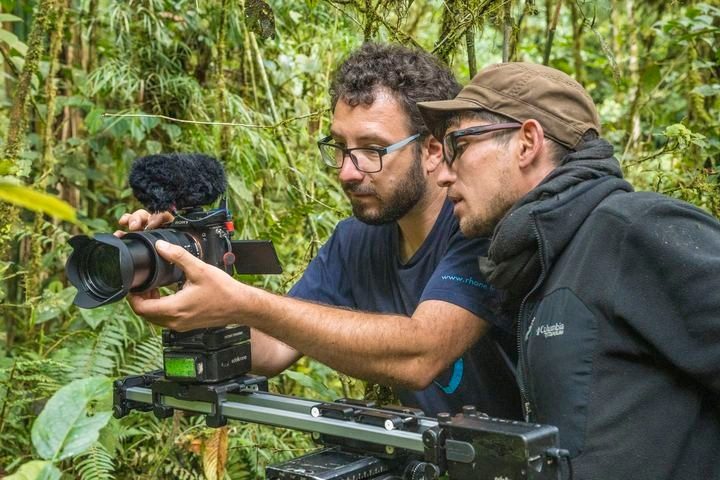
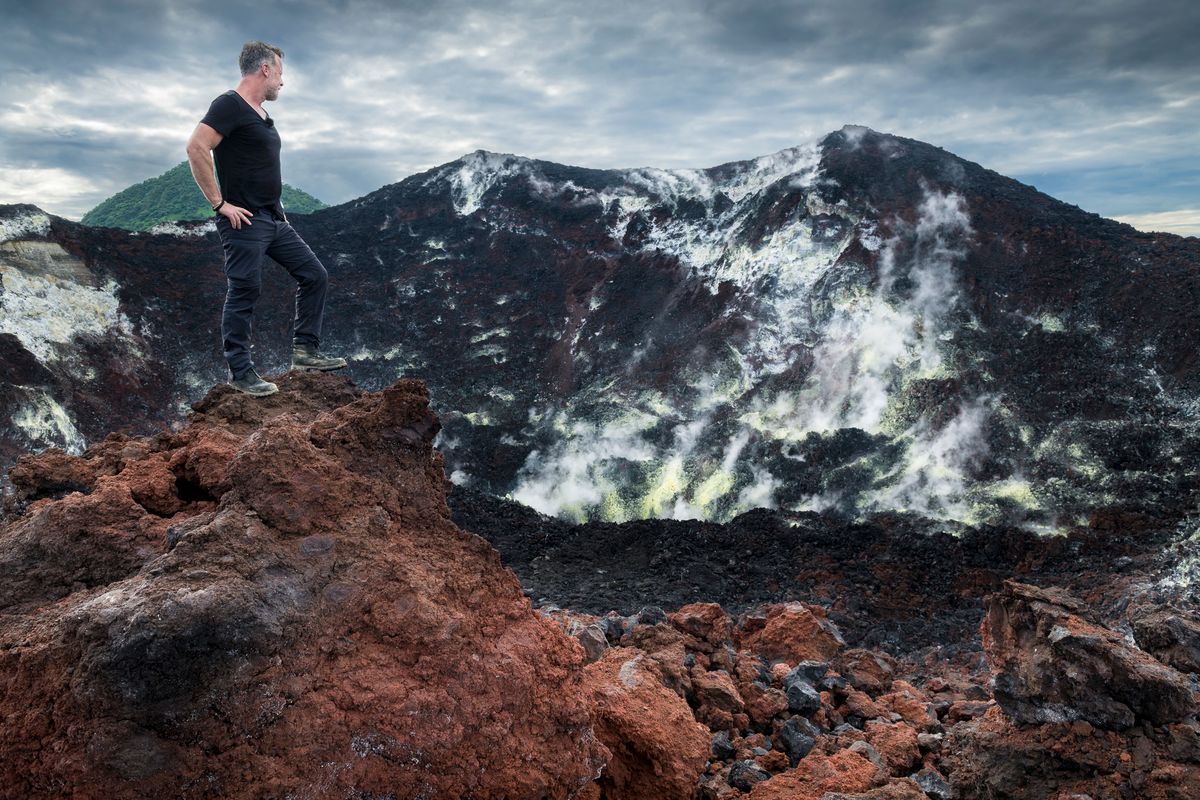
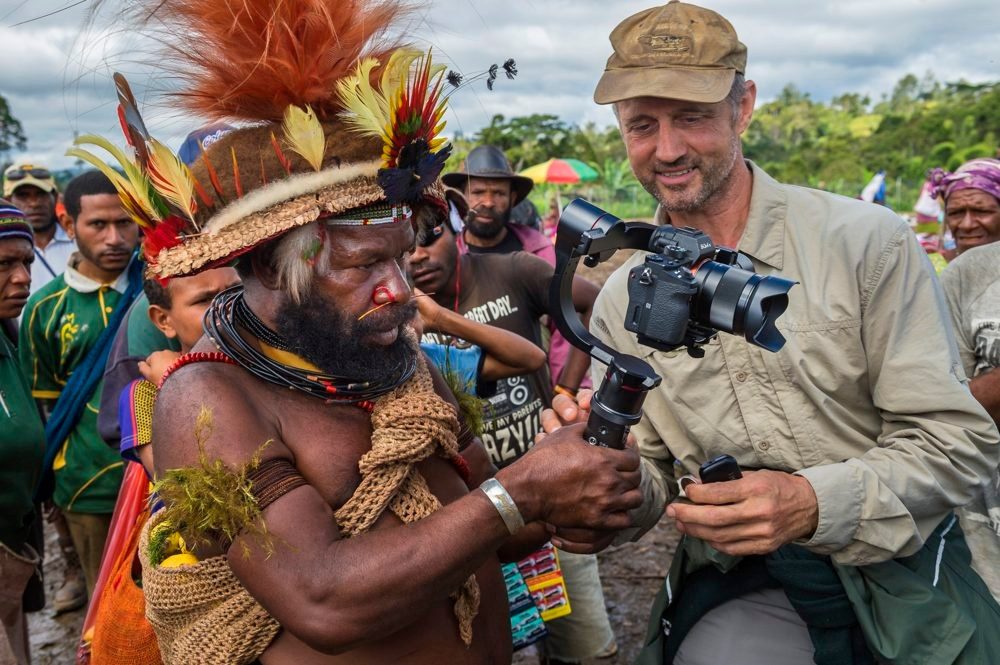
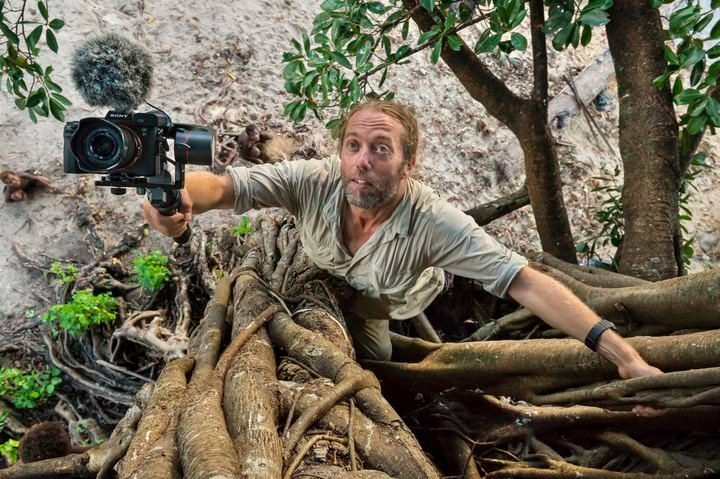
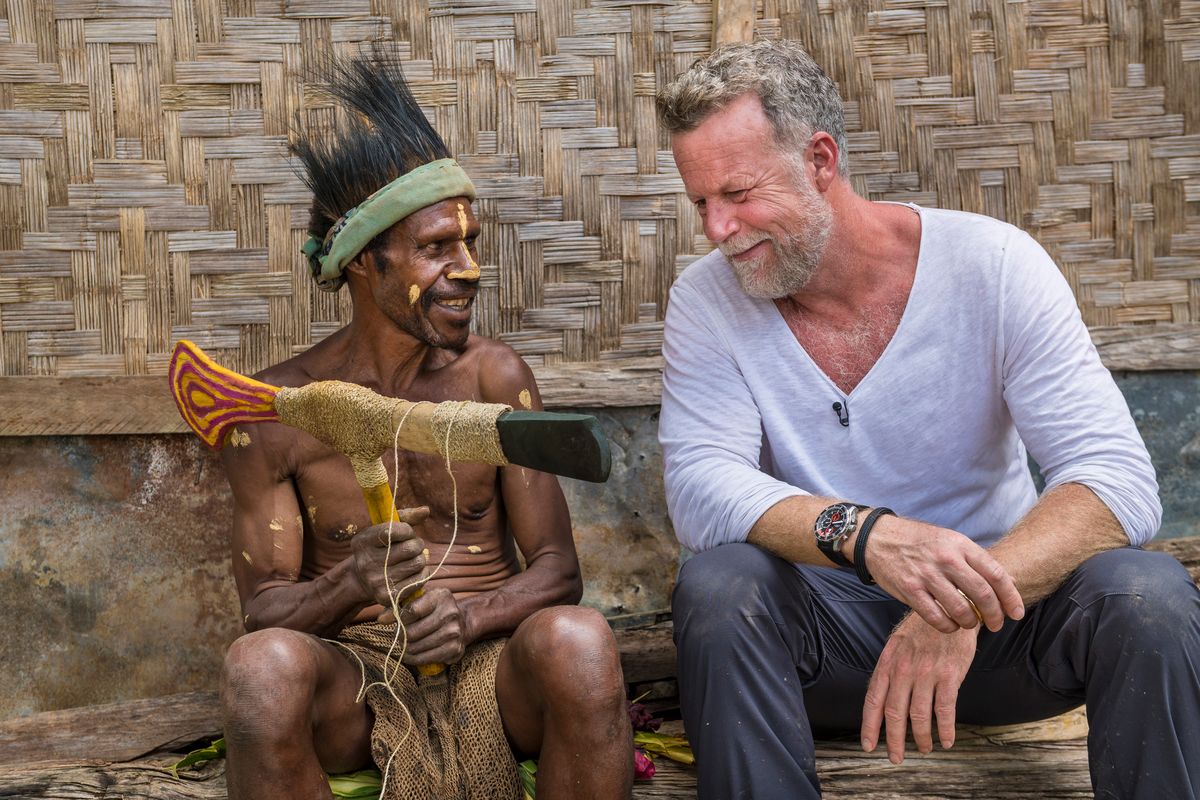
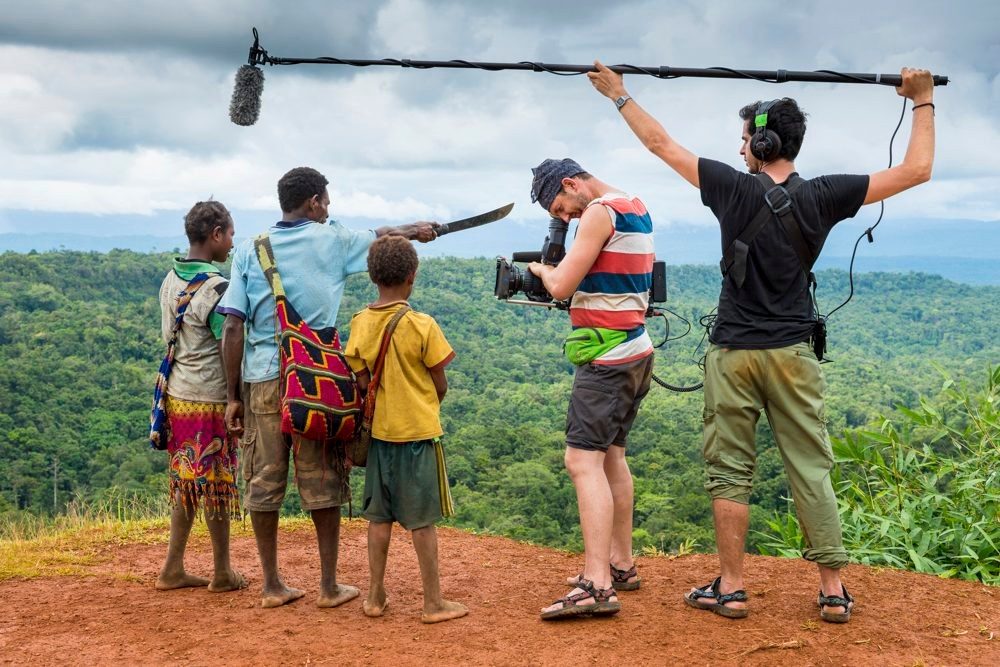
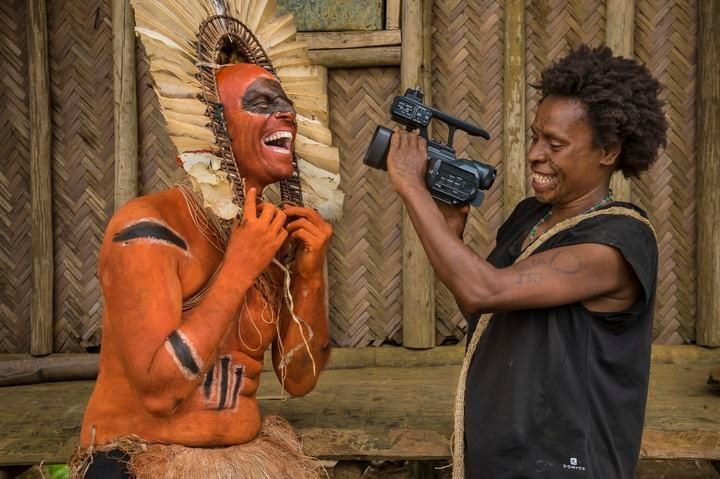
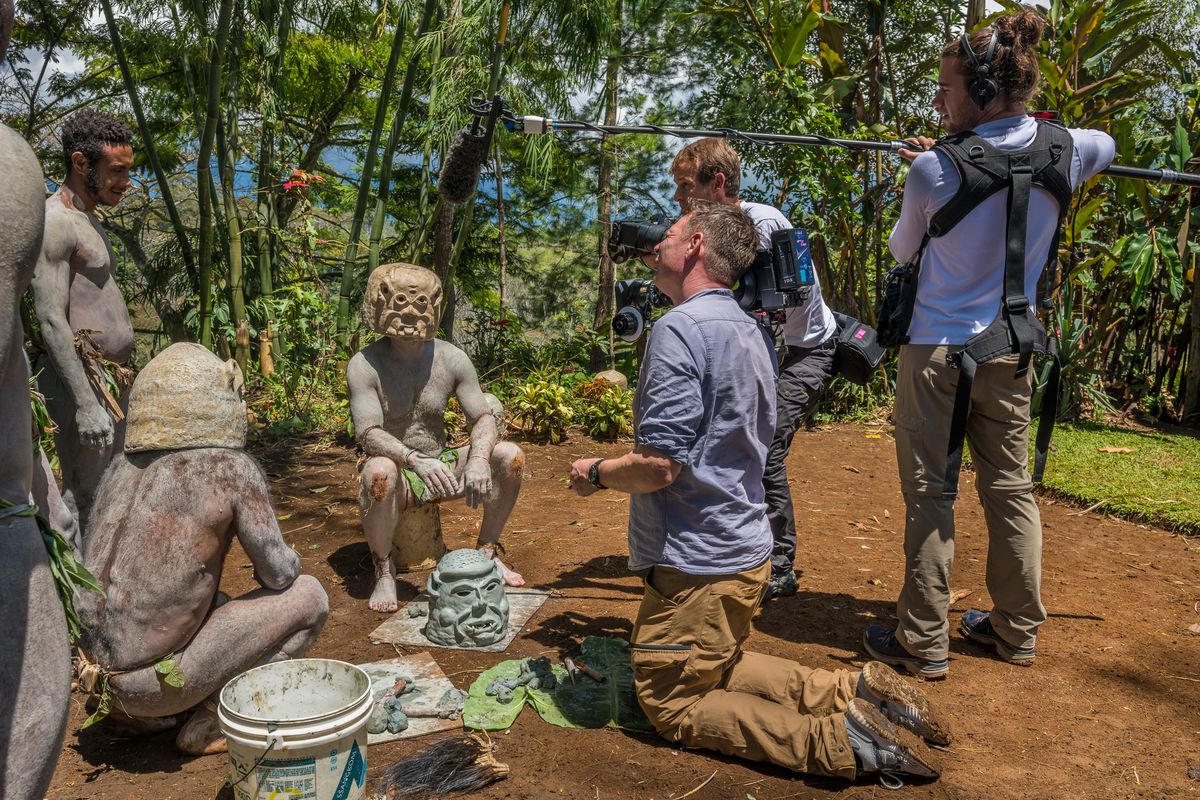
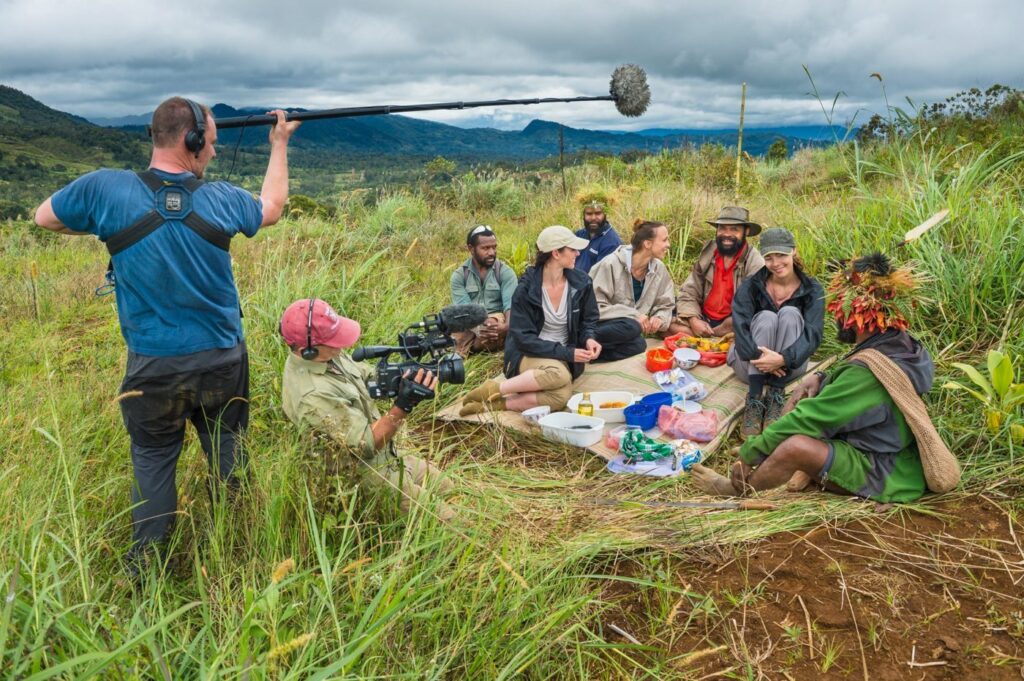
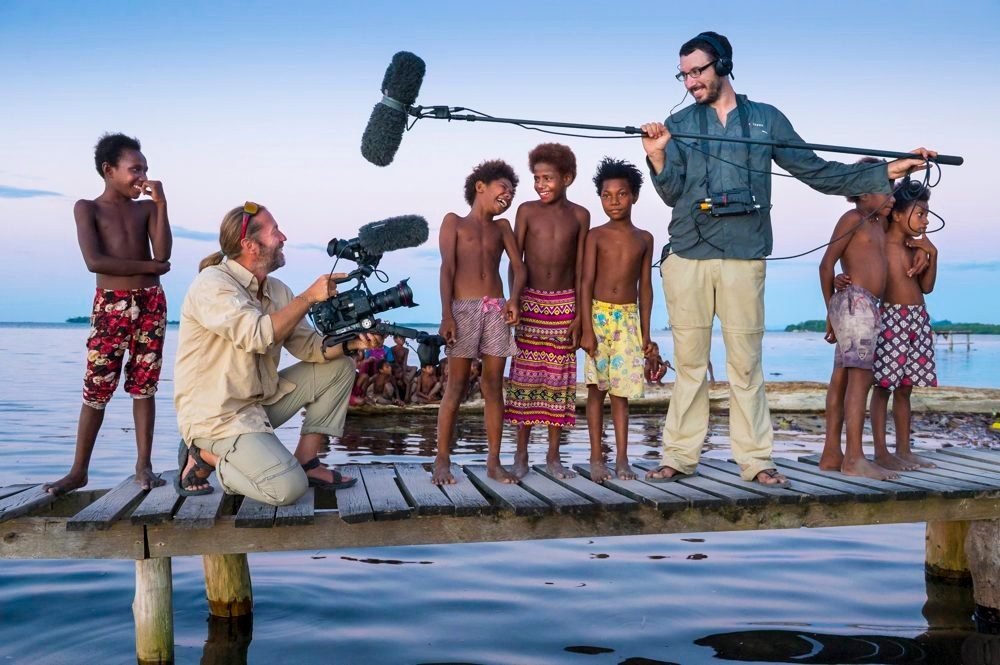
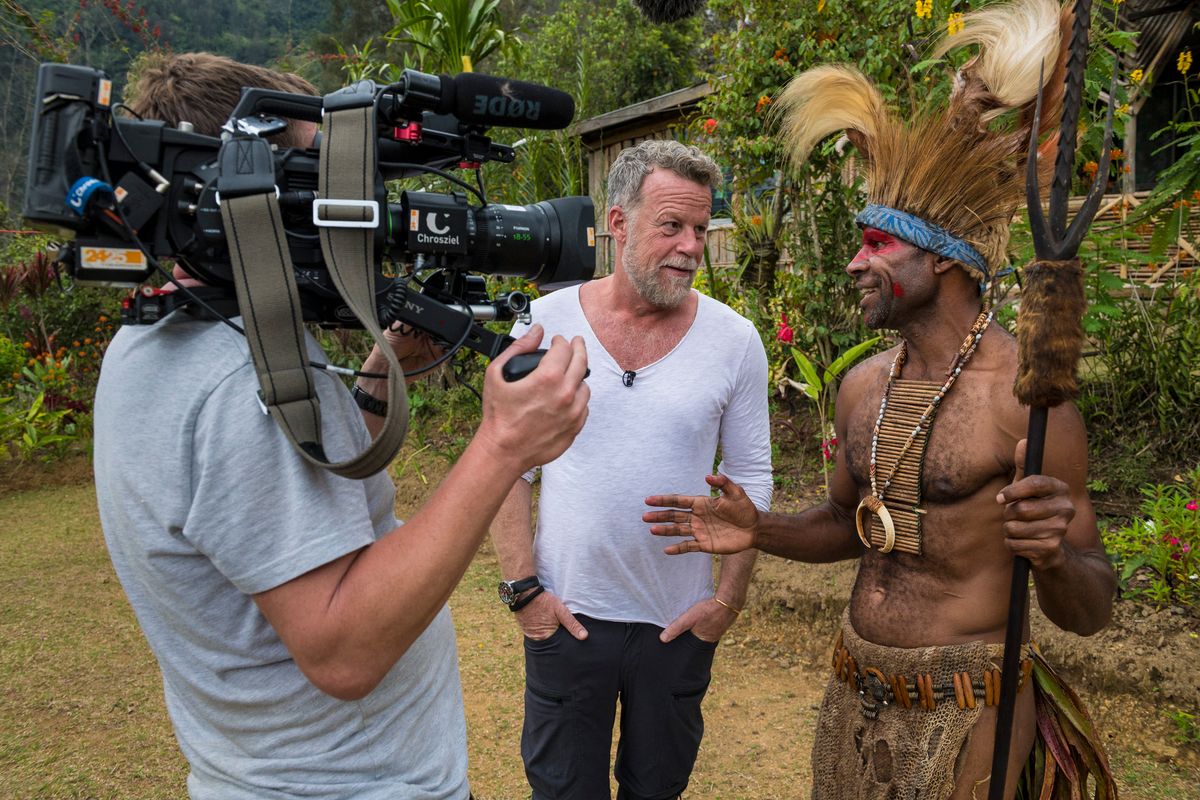
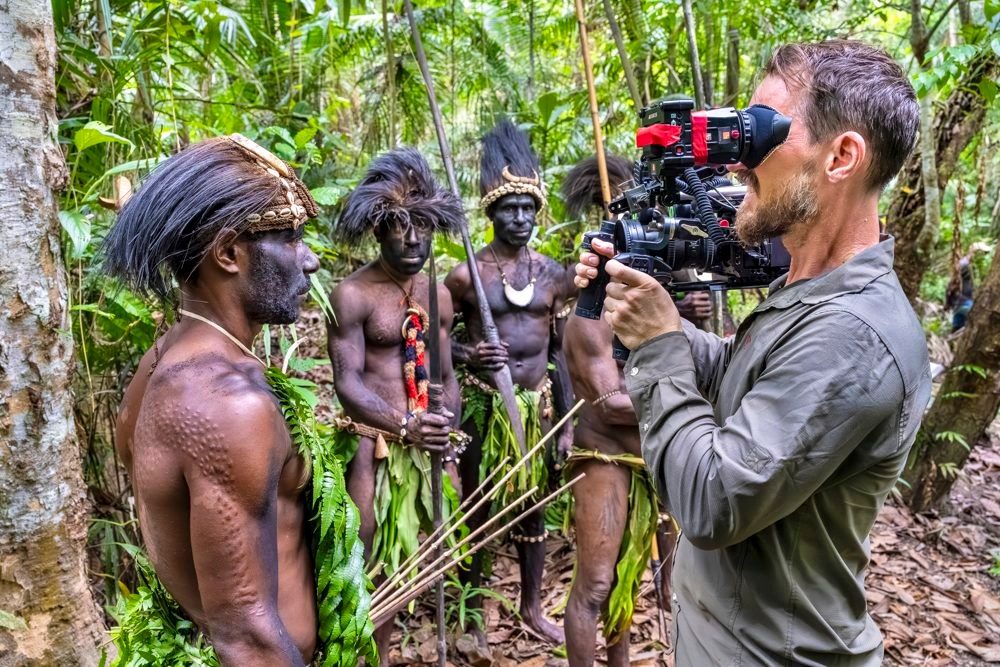
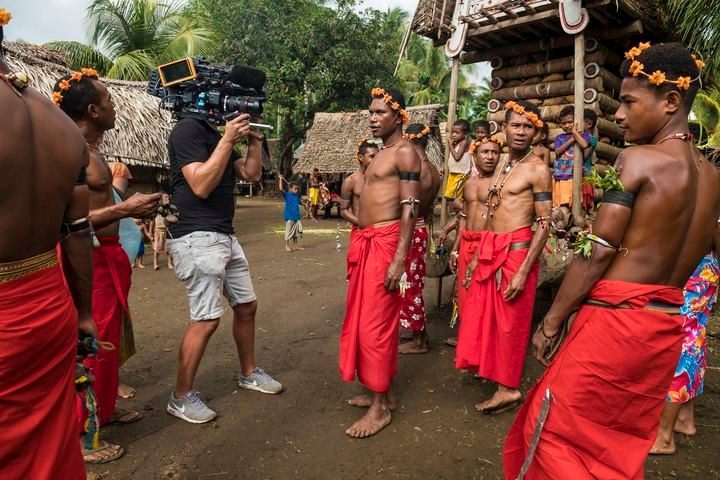
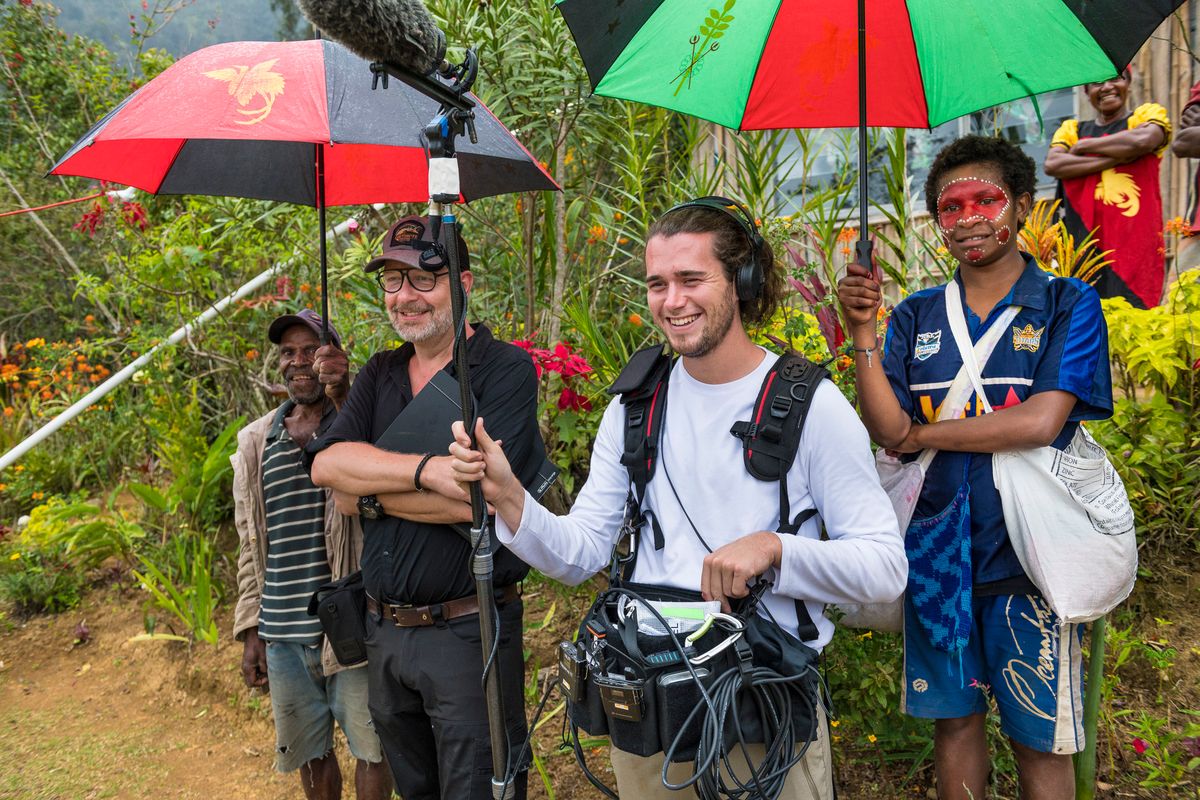
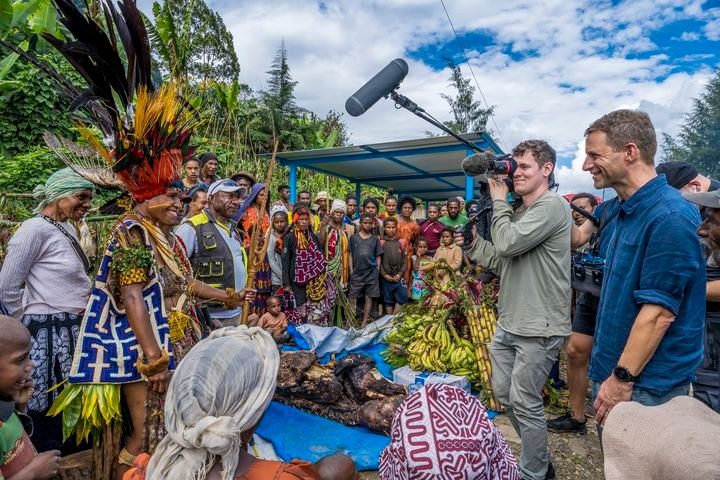
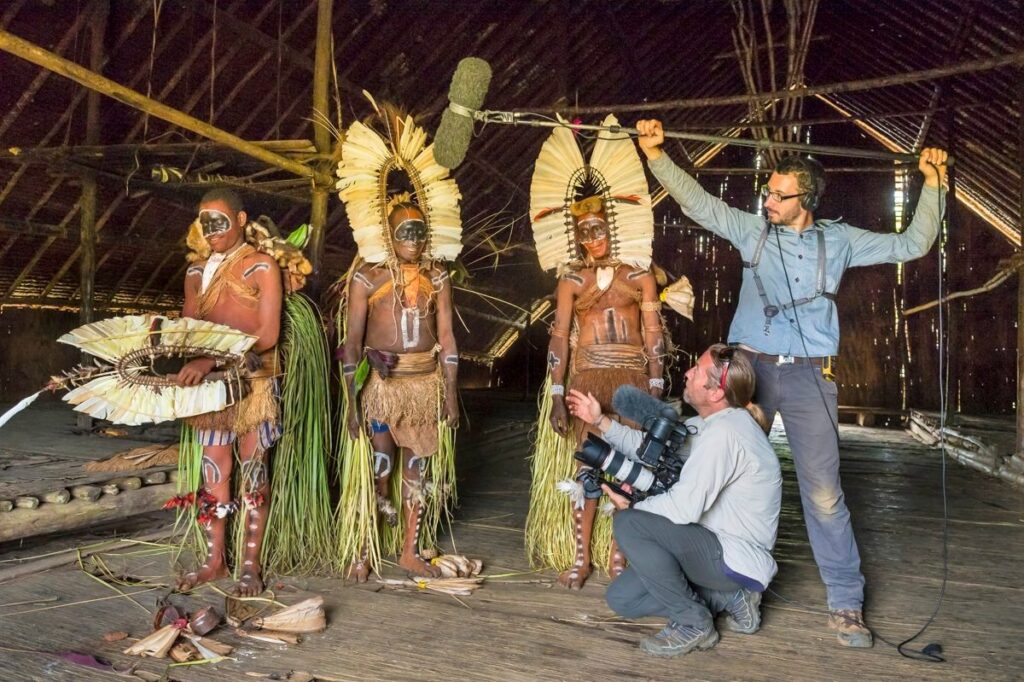
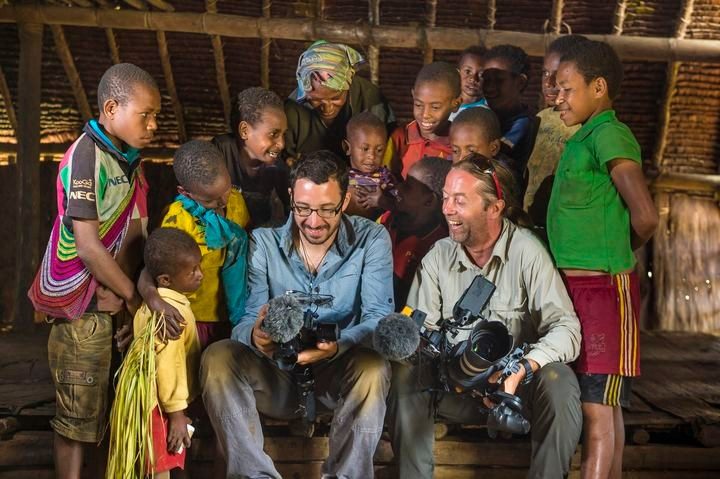
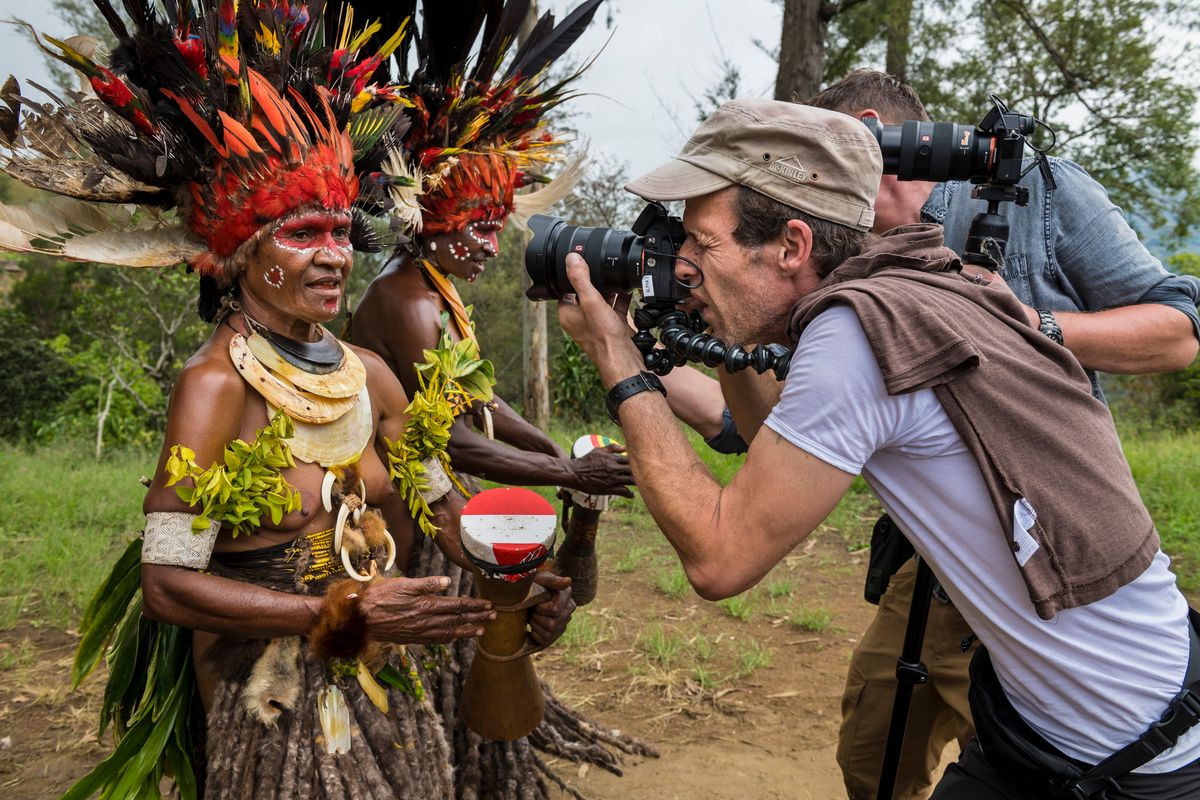
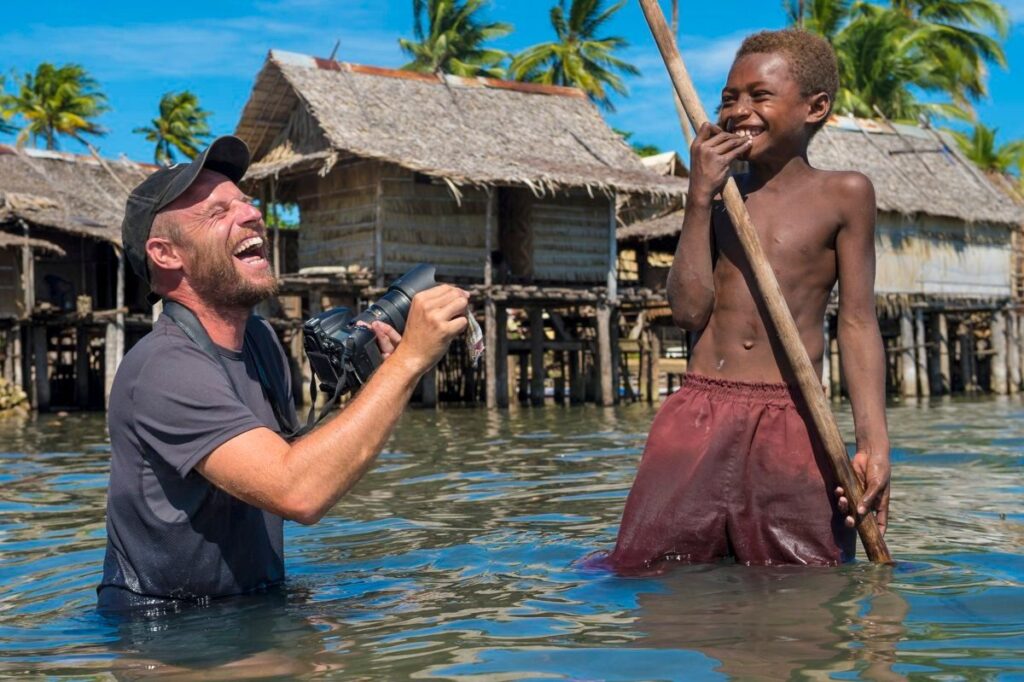
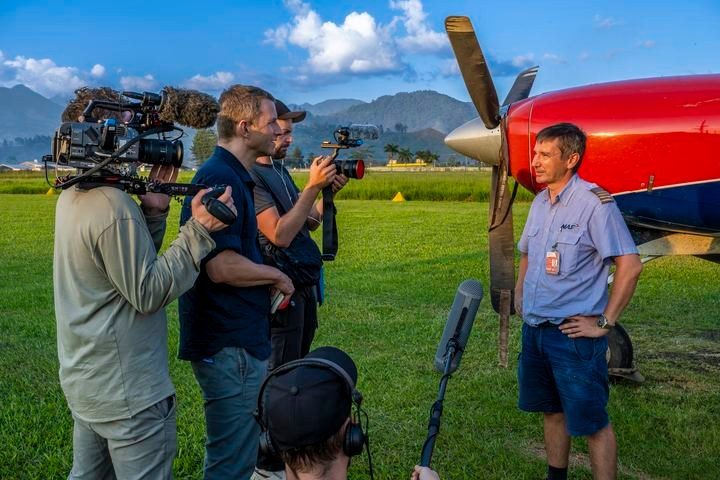
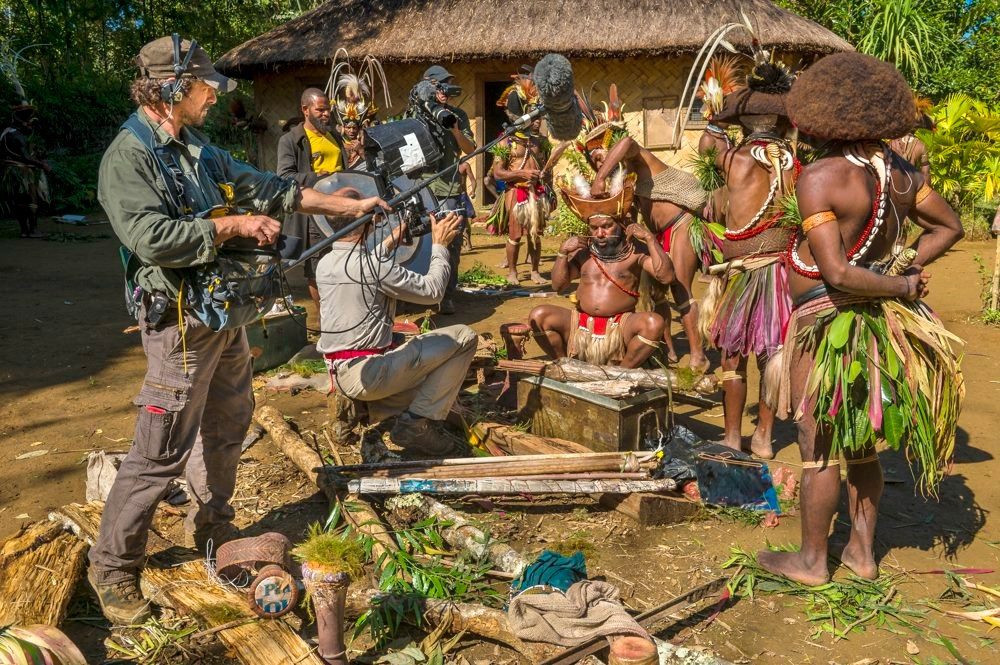
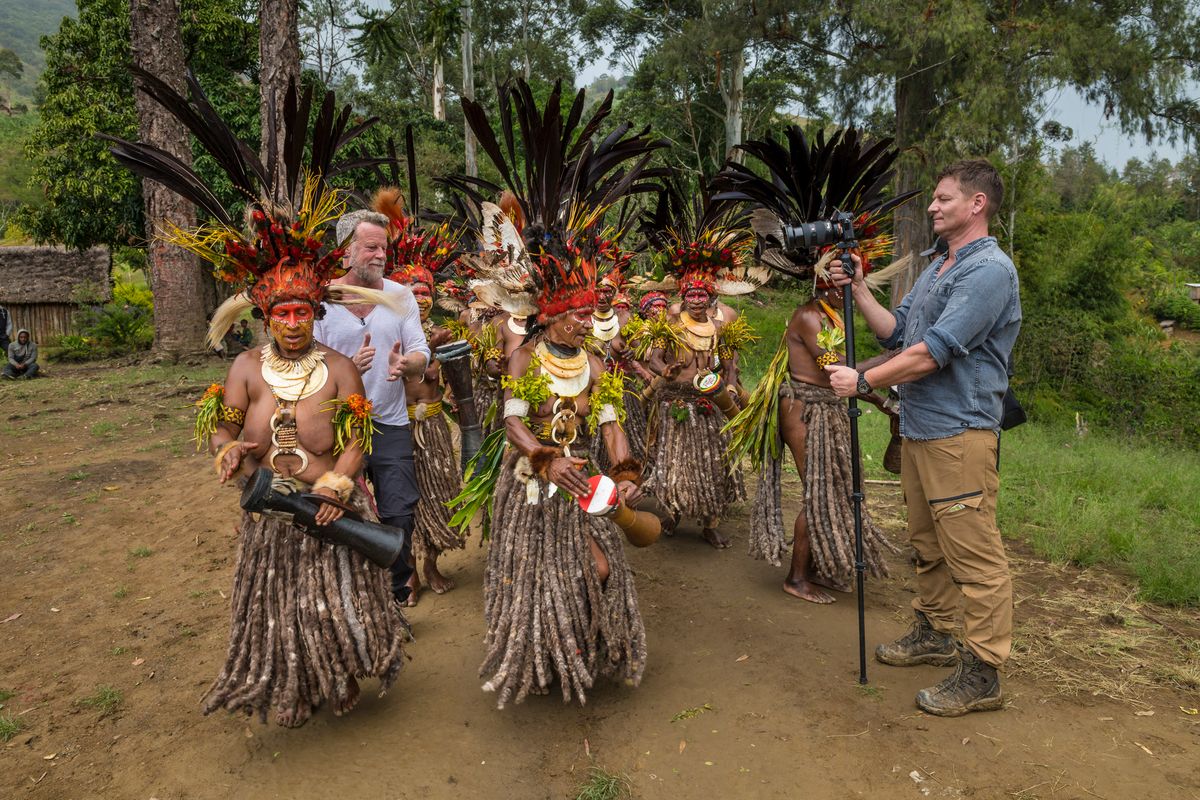
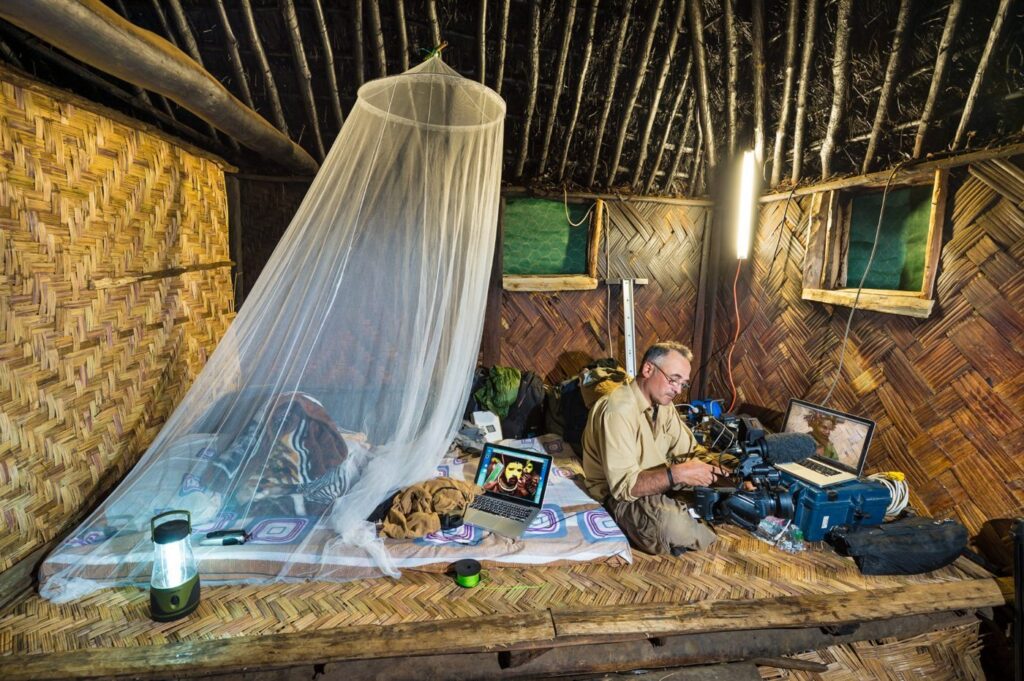
Behind the scenes with international crews
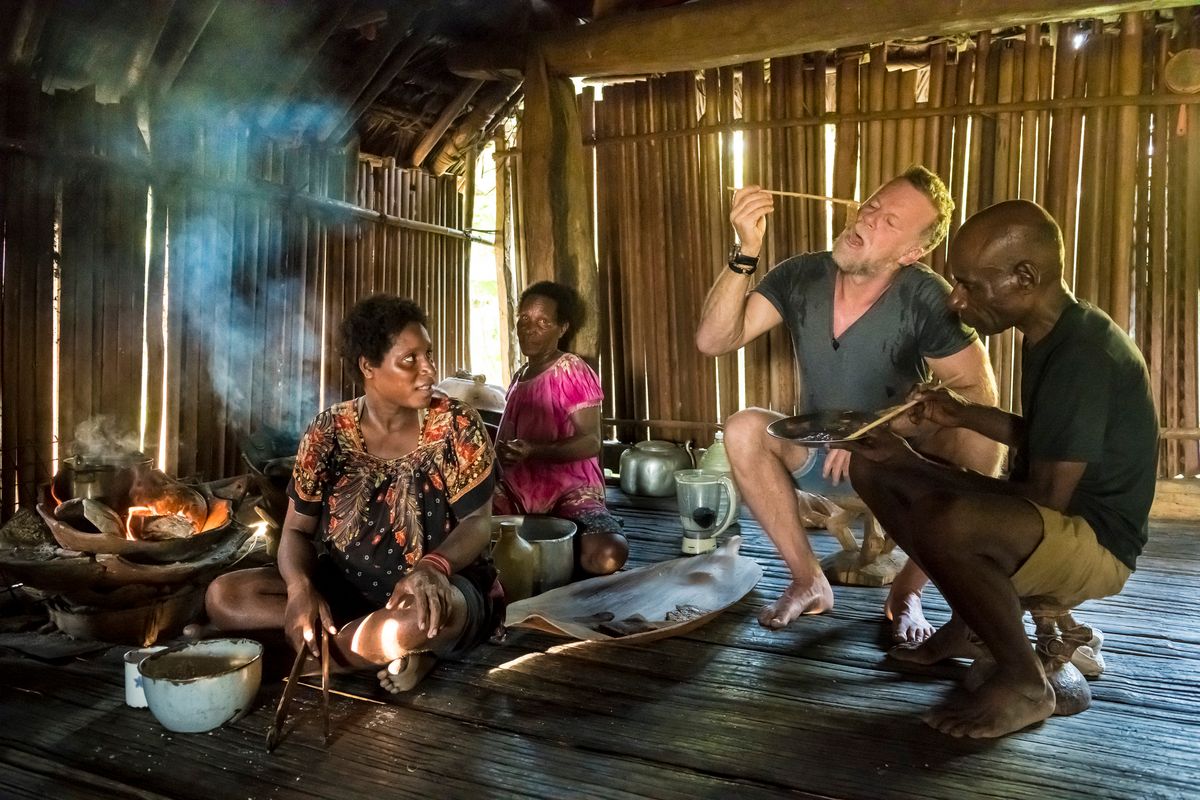
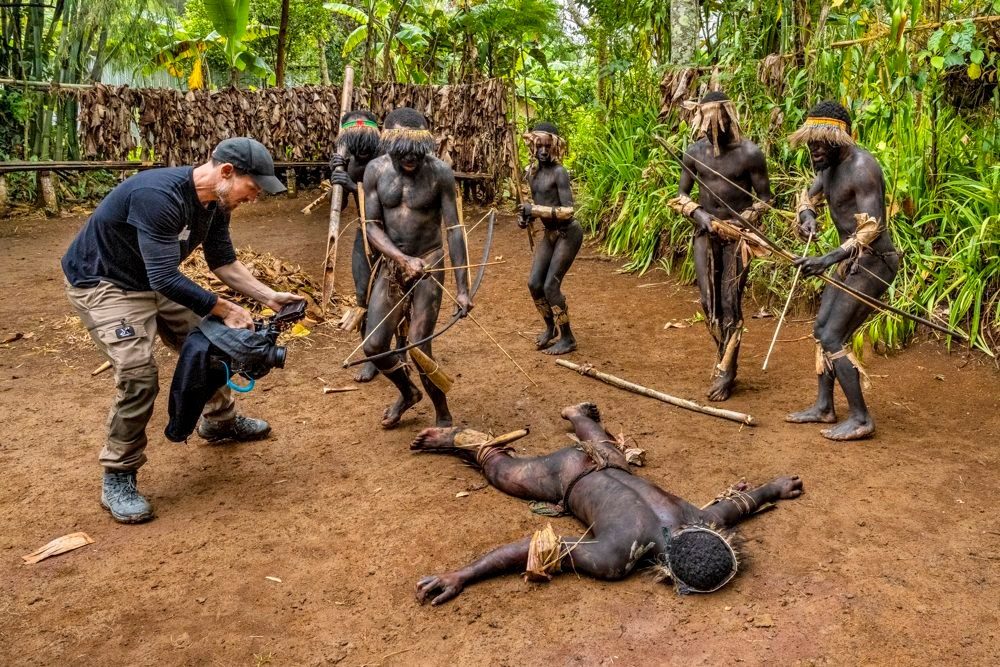
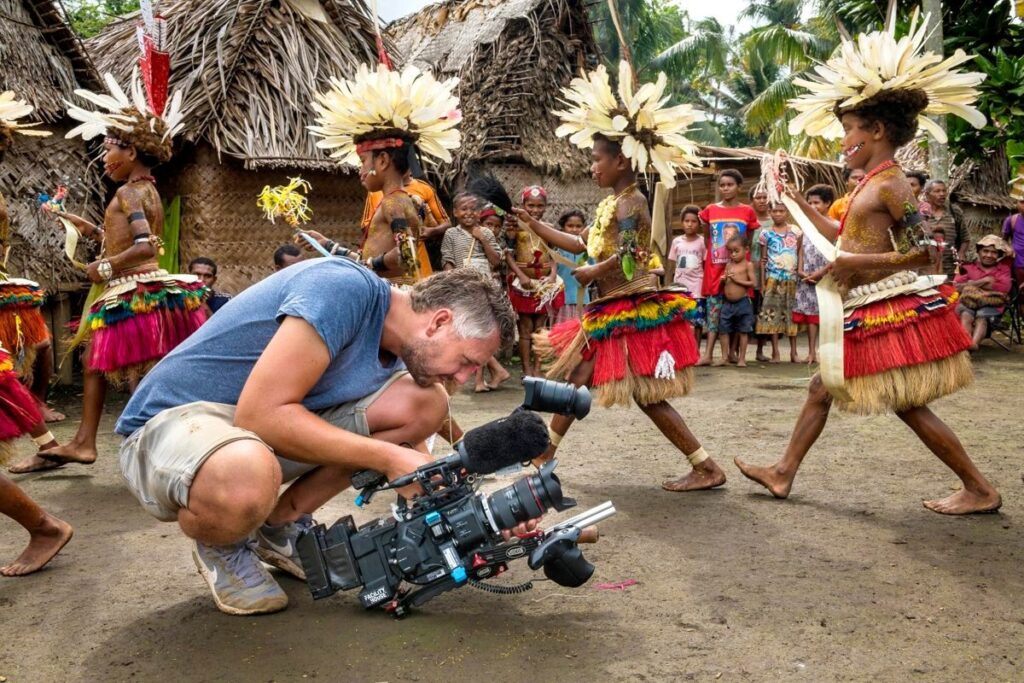
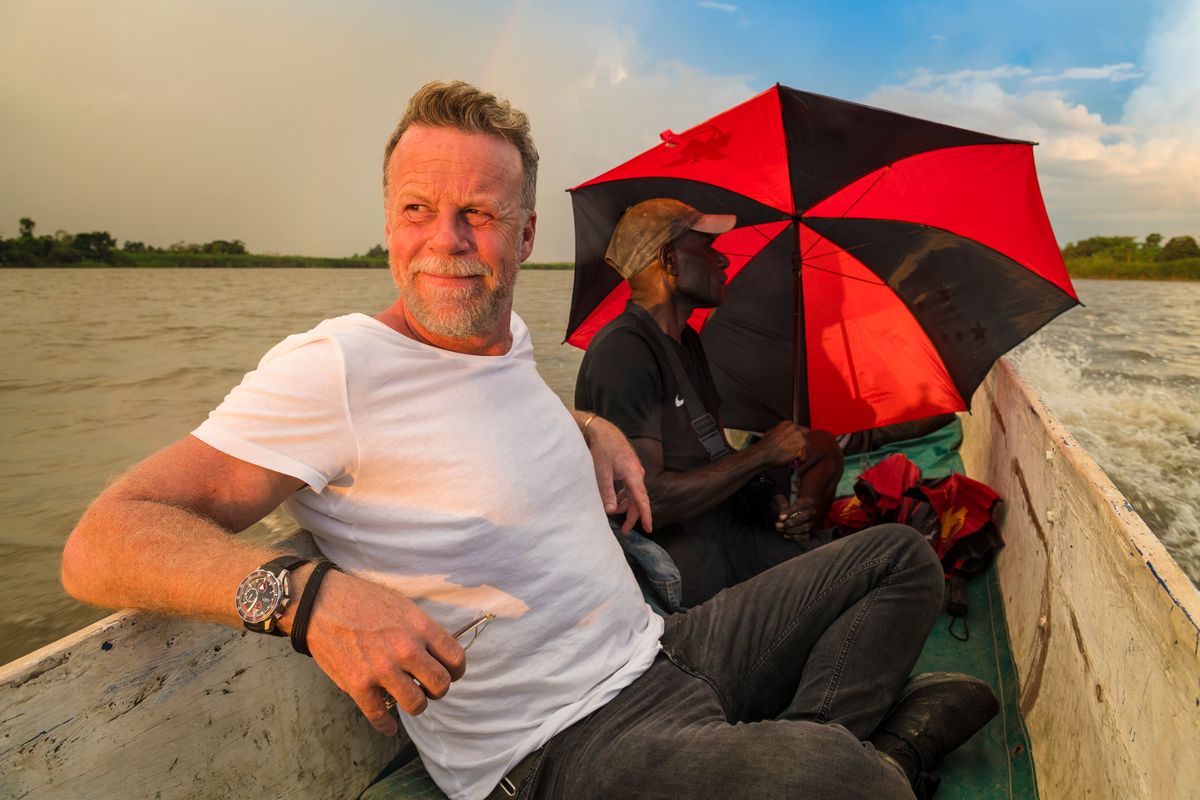
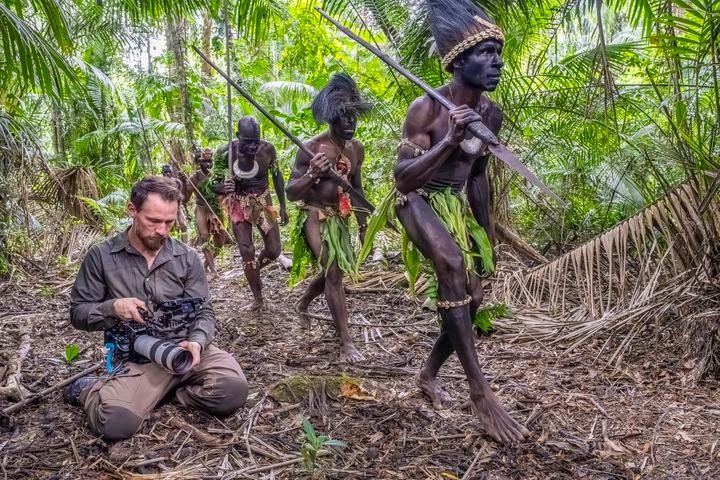
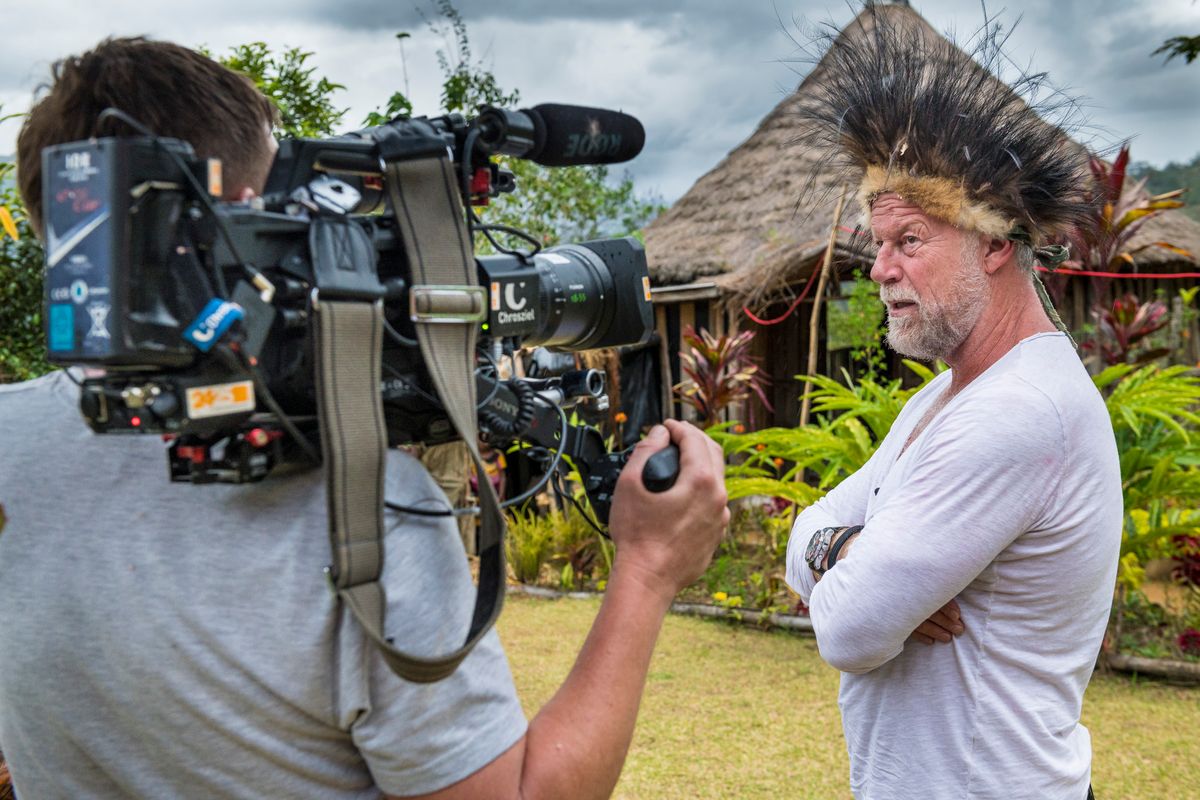
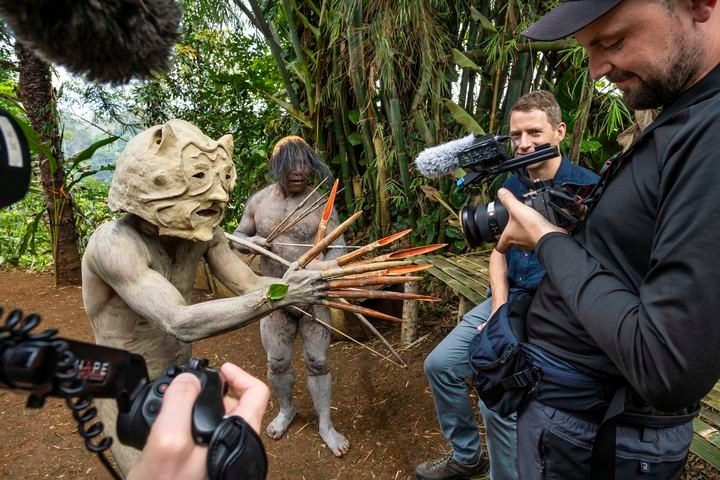
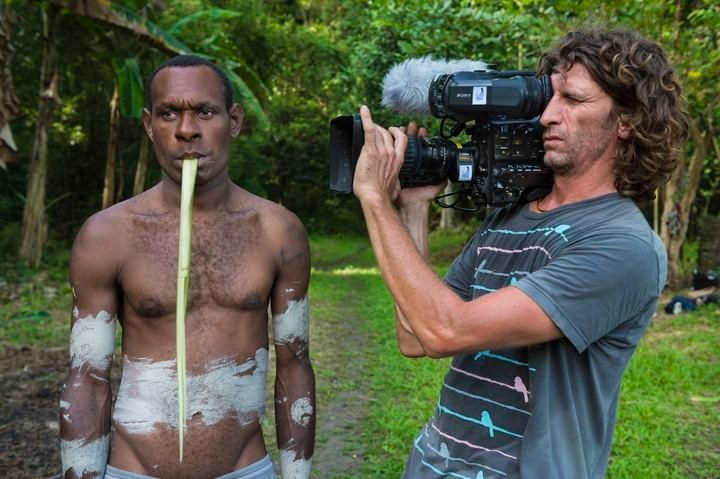
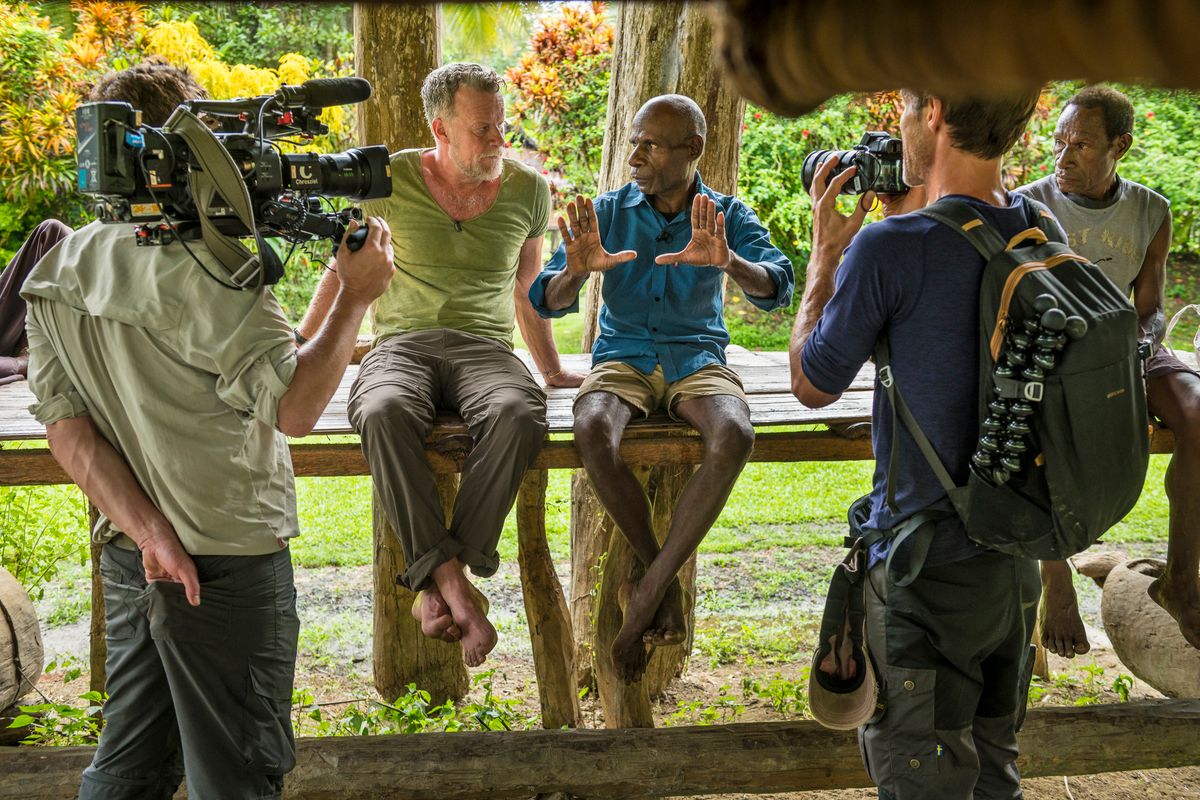
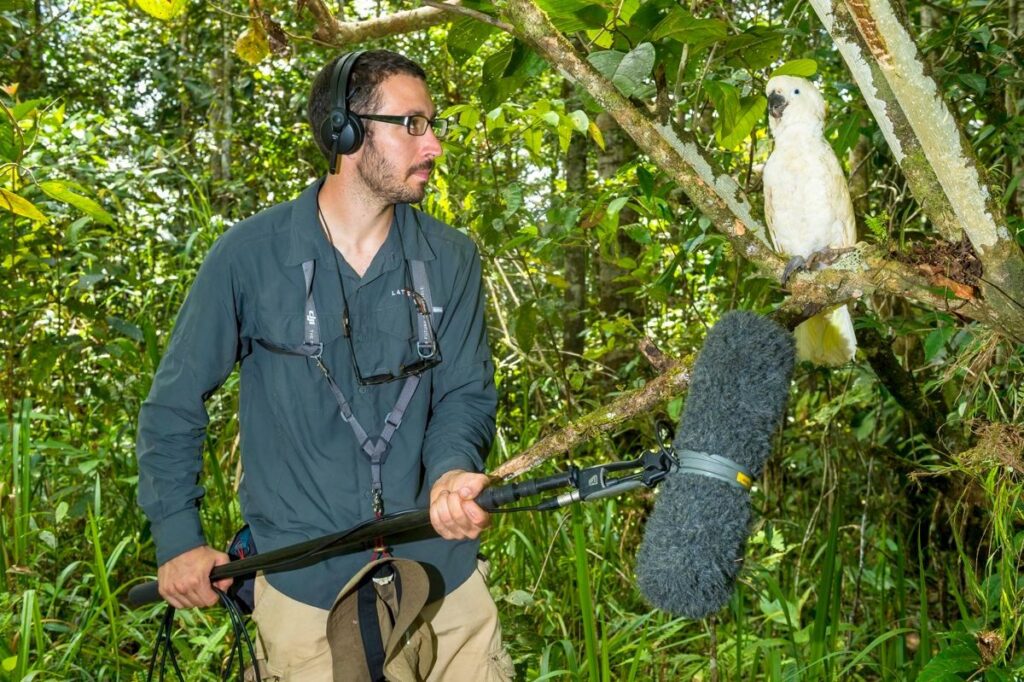
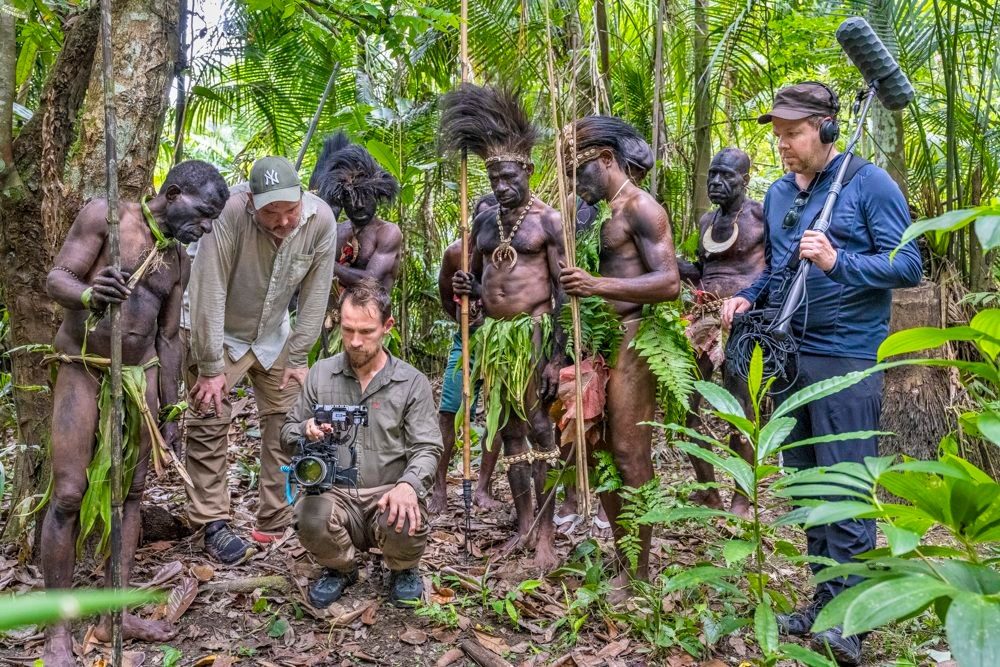
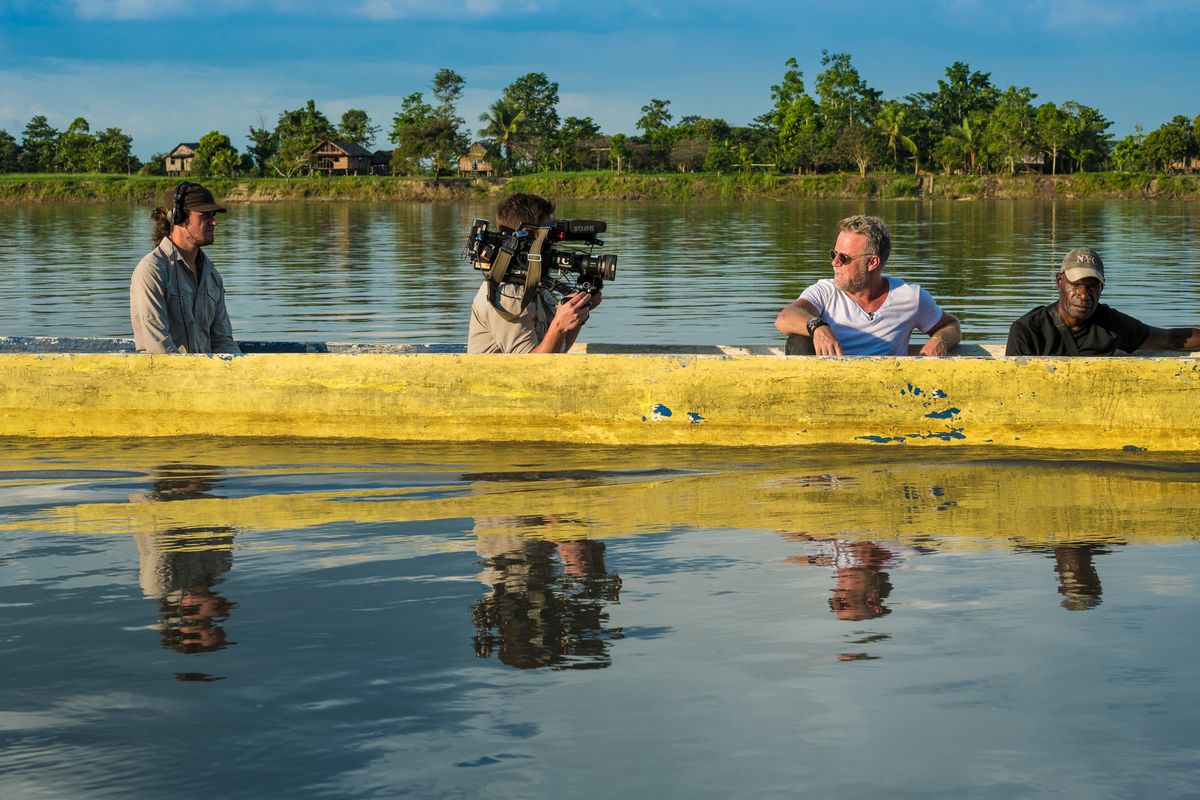
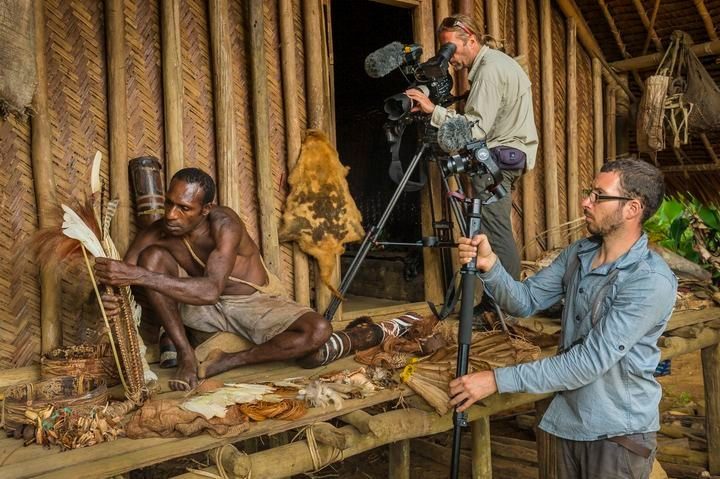
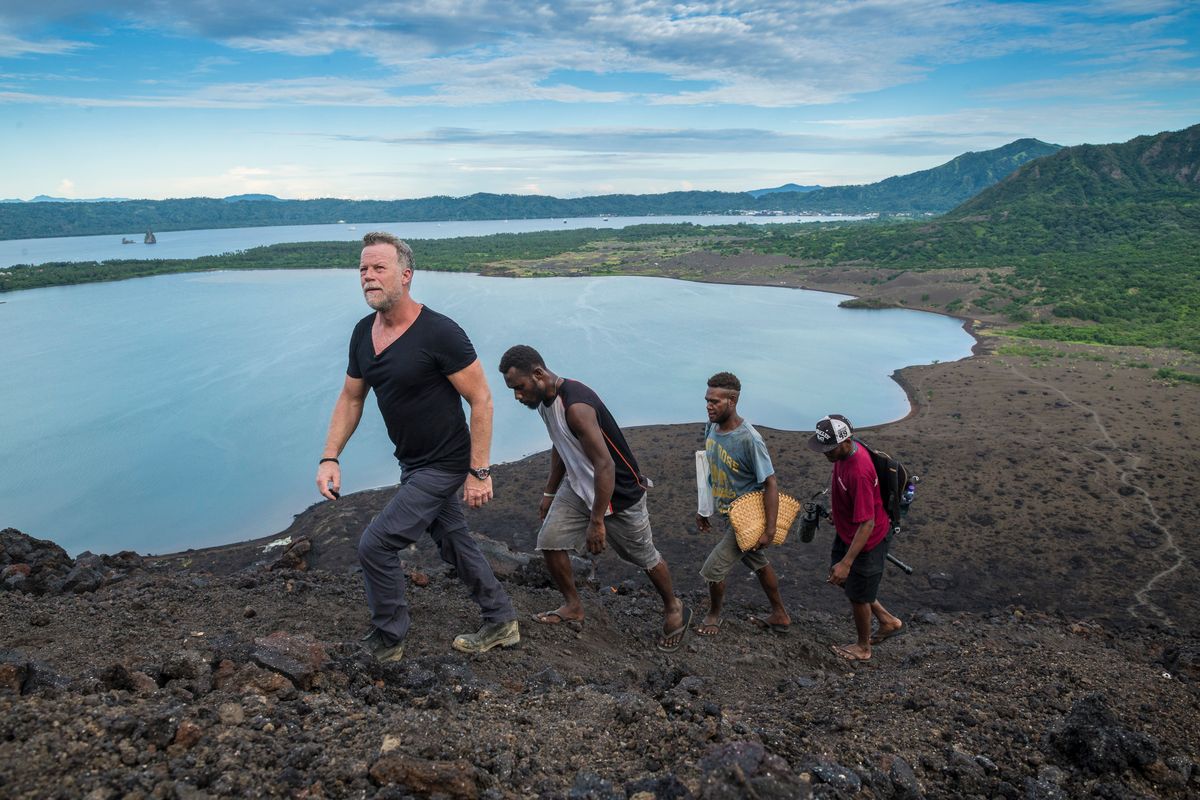
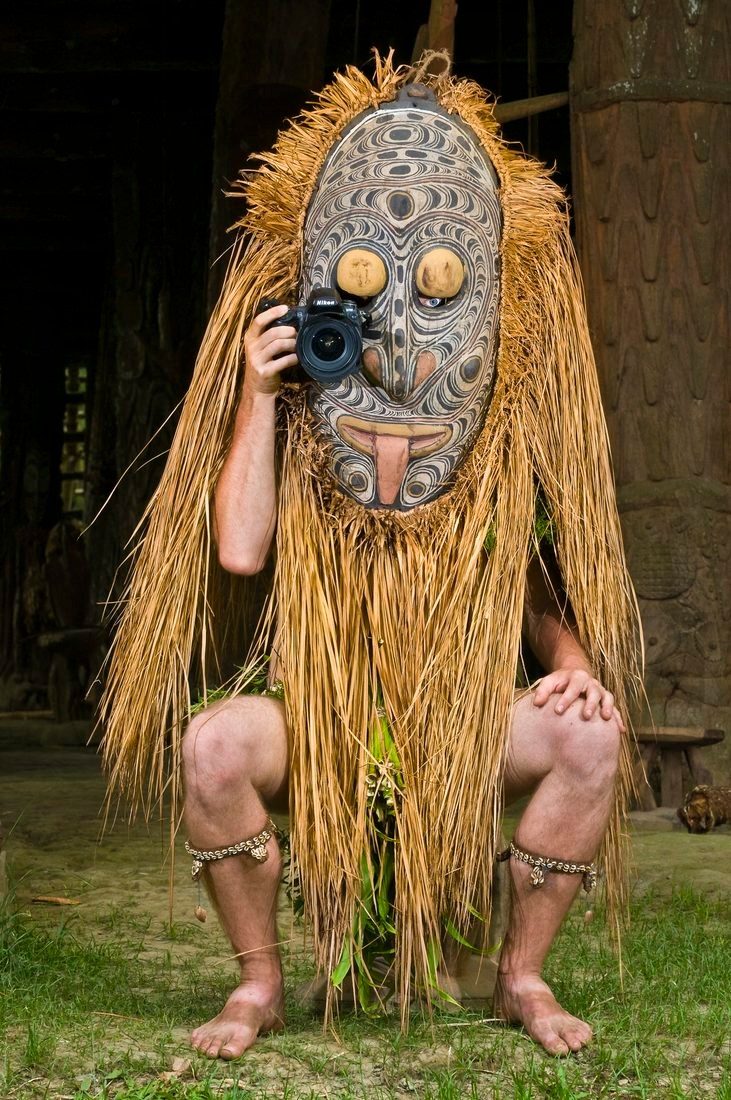
Who we are
Marc Dozier — fixer, photographer & documentary director
I have been exploring Papua New Guinea since 1994, and for more than twenty years I have prepared and run shoots here for international productions — Netflix, BBC, Discovery Channel and Arte among them. I speak Tok Pisin, work with a network of local partners built over three decades, and know the whole country, from the Highlands and the Sepik to the islands and Bougainville.
“After thirty years I can tell you in one phone call whether an idea is feasible, what it will really cost, which season it needs, and which communities will welcome it.”
1994
exploring PNG since
20+
years fixing for international crews
18
books on Papua New Guinea
3
languages: English, Tok Pisin, French
Tips for directors & producers
Filming in Papua New Guinea: your questions
Practical answers from thirty years in the field. For visas and permits, see our full guide.
How do crews travel around Papua New Guinea?
No road links Port Moresby to the rest of the country, so most regions are reached by plane. Remote areas need charter flights, motorised canoes on the Sepik, Kikori or Fly rivers, or porters on foot. Travel times can multiply with weather and security, so we plan every itinerary carefully. In most cases, though, we travel by private vehicle, which lets us move freely across the Highlands. Most shoots involve no walking at all: only a few specific projects in particularly remote areas, such as wildlife films, require trekking on foot.
Is Papua New Guinea expensive for a film shoot?
Yes. Most goods are imported, and car hire, hotels in Port Moresby and domestic flights are often more expensive than in Europe for more limited services. We build realistic quotes and suggest ways to control costs from the editorial planning stage.
Is it safe to film in Papua New Guinea?
Safety is our first priority. We avoid travelling at night, work with local escorts and community representatives, arrange police escorts on some routes when needed, and follow changes in local conditions day by day. Always check your government’s travel advice before departure.
How much excess baggage should we expect?
Domestic flights have a low checked-baggage allowance, so camera, sound and lighting kits quickly generate large excess fees. We plan optimised itineraries and flights to keep these costs under control.
What logistics does a shoot in remote areas need?
On most shoots today, crews sleep in hotels or guesthouses with electricity. The conditions described here apply only to the most remote areas, such as the Sepik or deep in the rainforest. Electricity is rare, so generators are often needed just to charge batteries. Food is brought in from town, and accommodation is basic: we supply mattresses, mosquito nets and bedding, and set up work and dining spaces for larger crews.
Do foreign crews need a special visa?
Yes. Film crews cannot use a tourist visa or visa on arrival: each crew member needs a Journalist or Film-maker visa, backed by clearance letters from national and provincial authorities. Our visas and permits guide explains each step.
Planning a shoot in PNG?
Tell us what your production needs
Share your dates, locations, crew size and subject — we scope the local support you need.