
Home › Stories
Types of shoots we organise
From Bomana prison to Bougainville’s independence
Investigations, politics, history, social issues, science, travel, wildlife, culture — and plenty of lighter stories too. Every kind of programme needs a different kind of access in Papua New Guinea. We organise all of them.
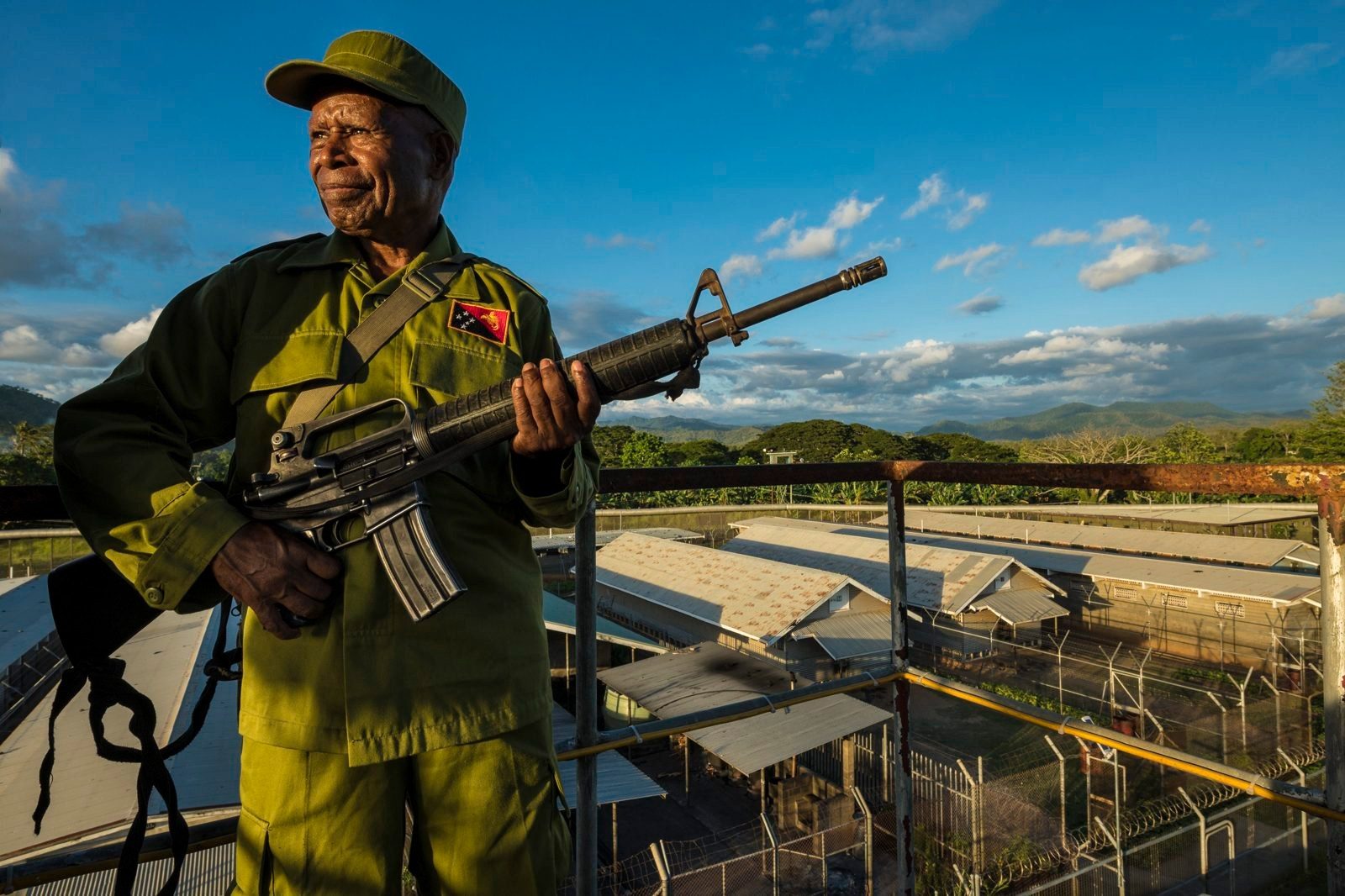
Investigation & current affairs
Behind closed doors
Prisons, courts, police, land disputes, tribal conflict: investigative subjects need negotiated access, patience and a clear plan for everyone’s safety. We deal with the institutions, prepare interviews and set the rules of filming before the crew arrives.
What we organise
—Access requests to prisons, police and government bodies
—Contributors who agree to speak, with anonymity where needed
—Security assessment and escorts on sensitive routes
Examples:Inside the World’s Toughest Prisons — Bomana episode (Netflix).
Bougainville
The road to independence
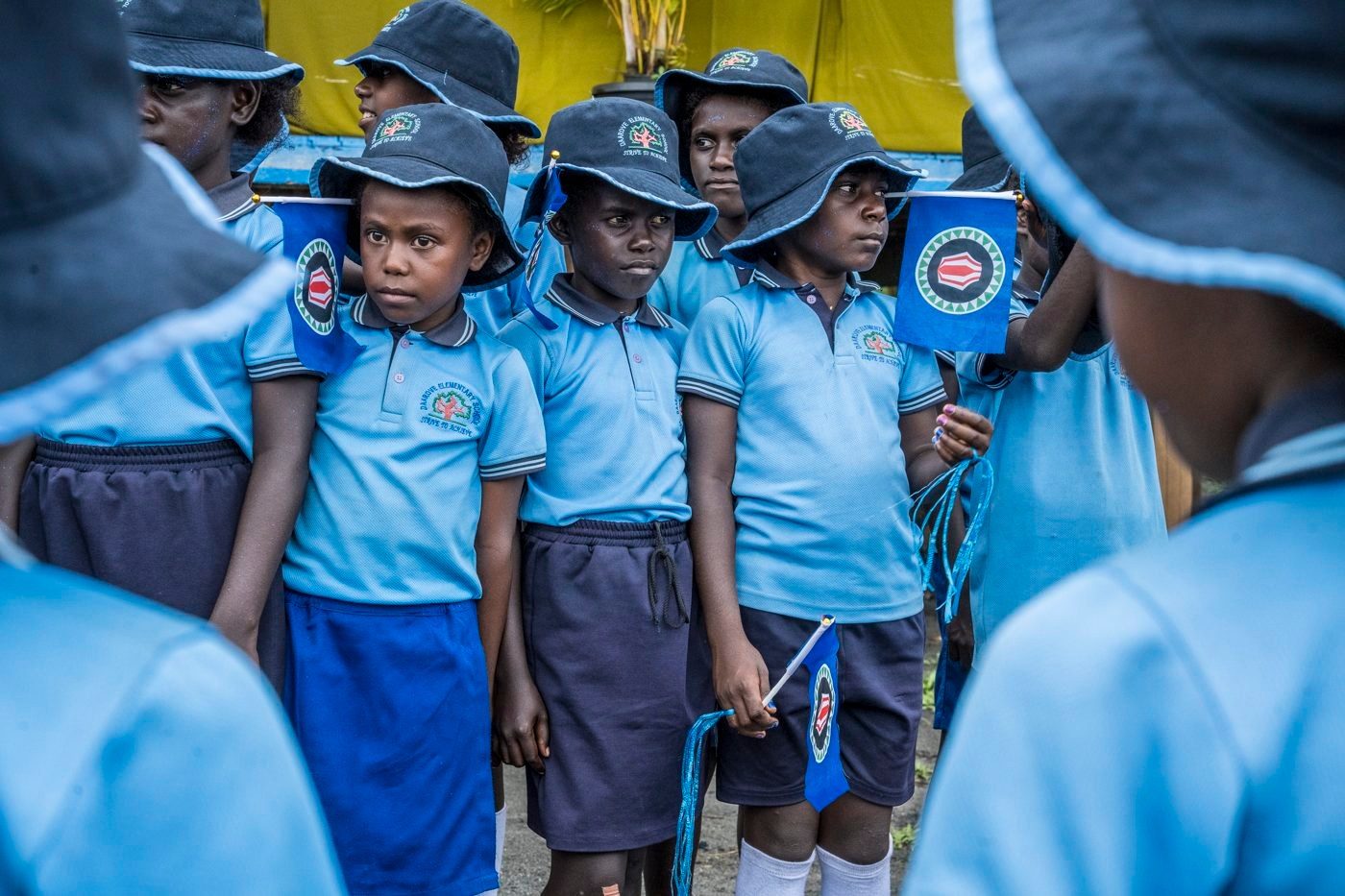
In the 2019 referendum, the people of Bougainville voted overwhelmingly for independence from Papua New Guinea. The island still carries the marks of the conflict that began around the Panguna copper mine in the late 1980s, and of the Second World War on its beaches. Filming here means working with the Autonomous Bougainville Government, local leaders and the communities of each district.
What we organise
—Contacts with the Autonomous Bougainville Government and community leaders
—Travel to Buka, Arawa and the south of the island
—Local guides who know the island’s recent history
Politics
Parliament, elections and power
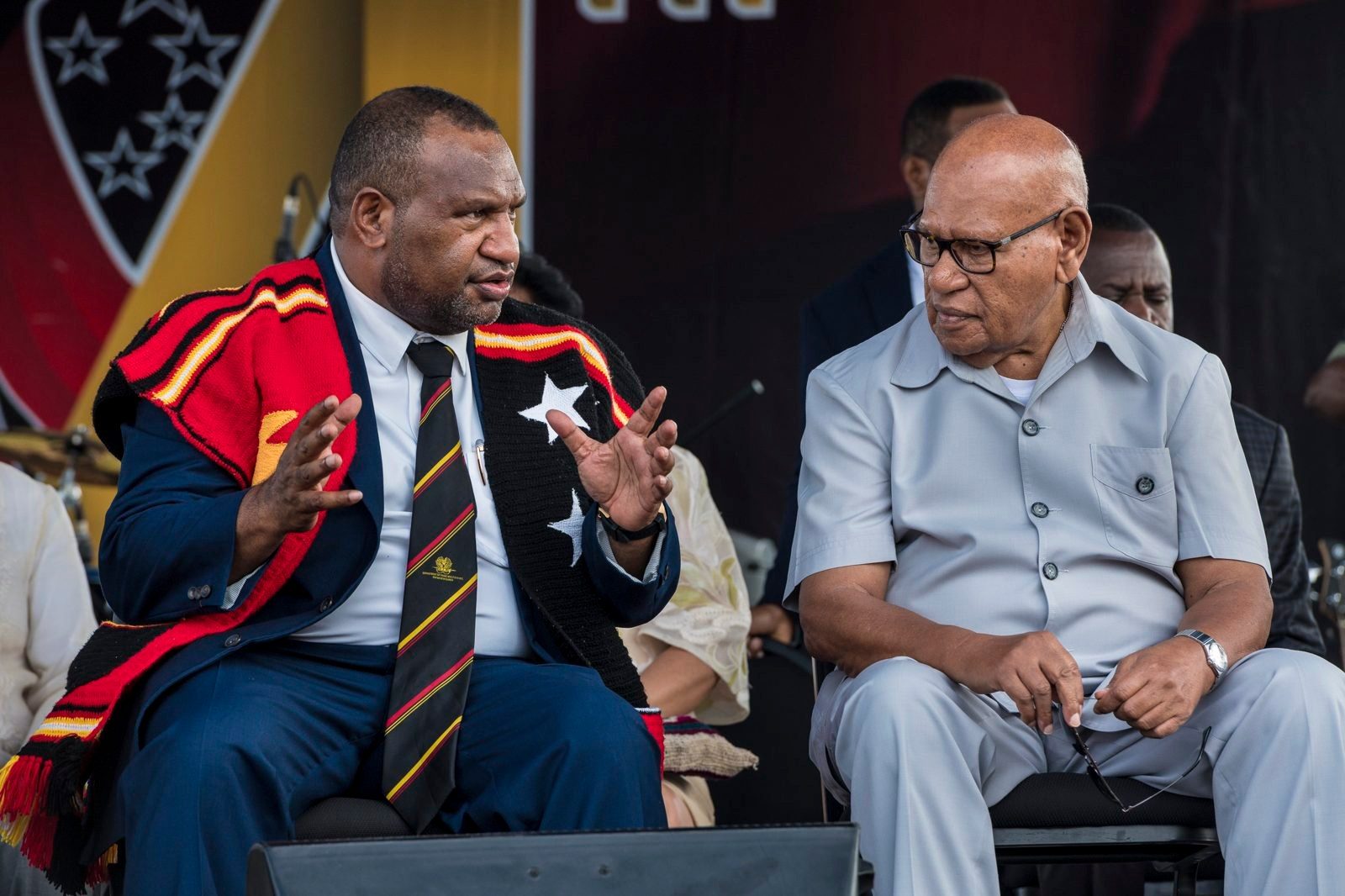
National elections every five years, a Parliament in Port Moresby and provincial leaders with real weight at home. We arrange interviews with ministers, members of Parliament and officials, and get your crew into rallies, sittings and official ceremonies.
What we organise
—Interview requests to ministers, MPs and government departments
—Accreditation for official events and ceremonies
—Election and campaign coverage in the provinces
History
A young nation, a long history
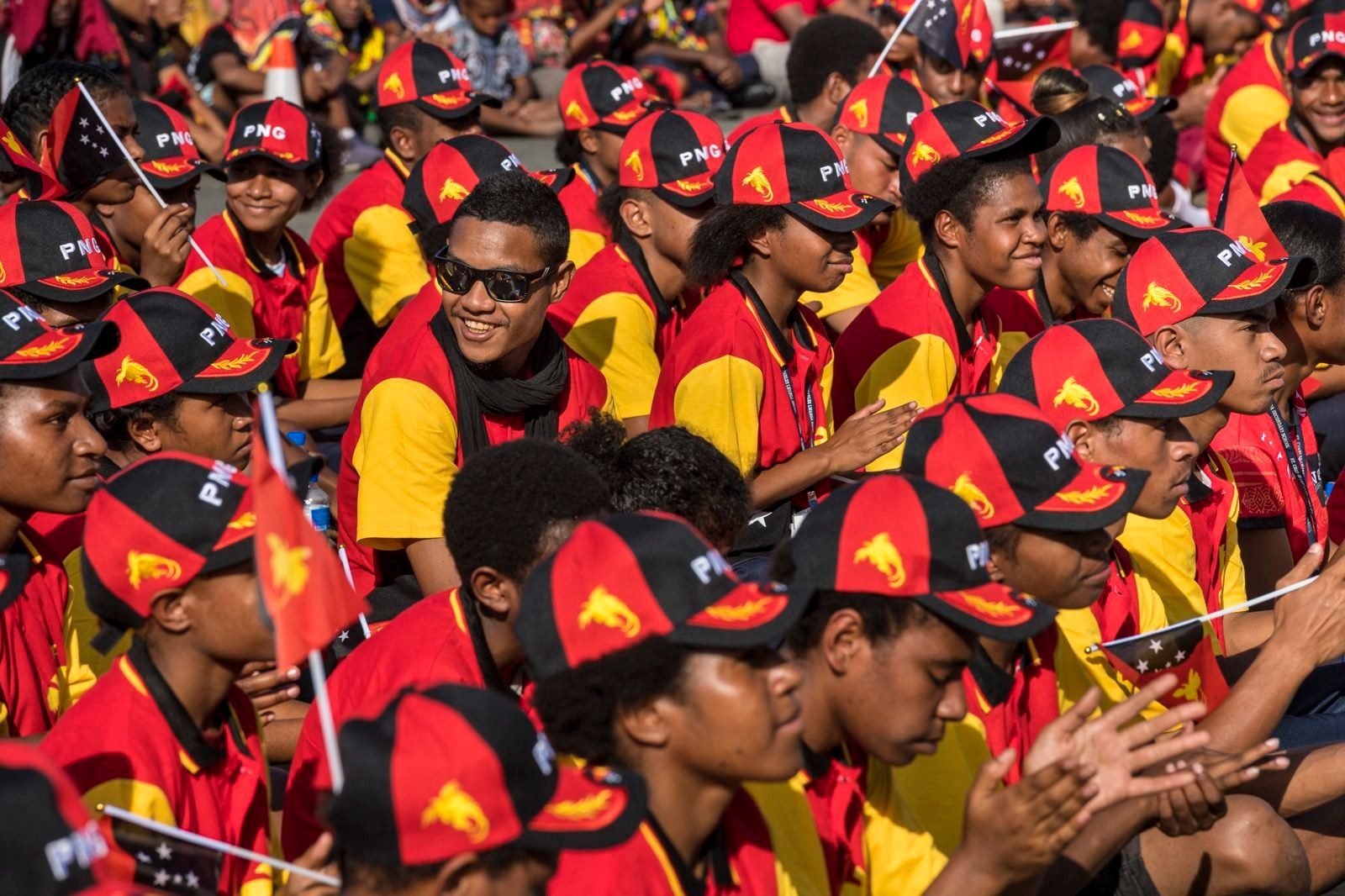
Papua New Guinea became independent in 1975 and celebrated fifty years of independence in 2025. Its history goes back tens of thousands of years, and the Second World War left battlefields from the Kokoda Track to Rabaul. We find the historians, families, sites and archives that bring the past to the screen.
What we organise
—Historic sites, war relics and museums
—Historians, elders and families of veterans
—Independence celebrations and national events
Examples:Kokoda Track · Rabaul · Independence Day in Port Moresby.
Society
Everyday life and social issues
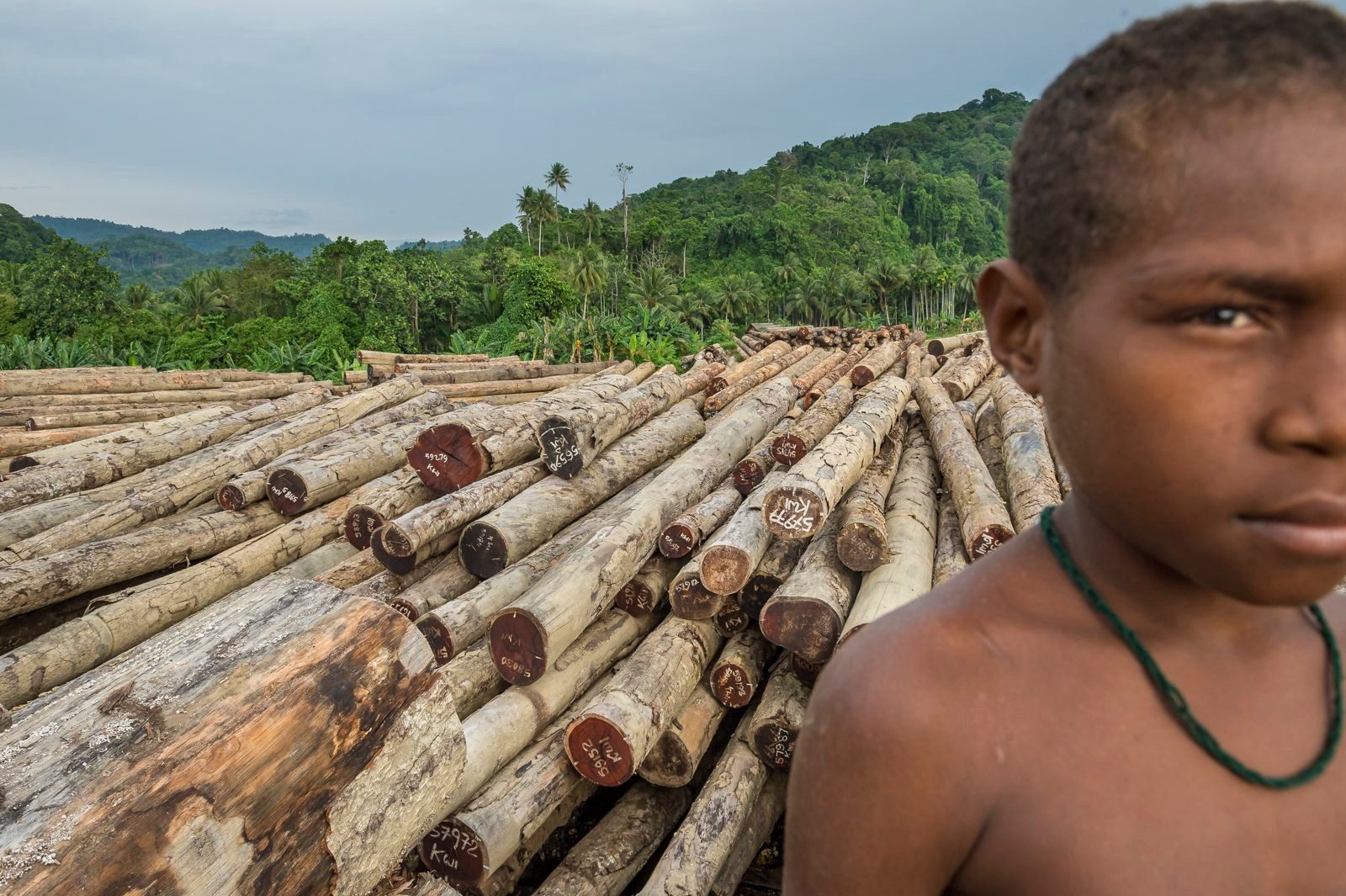
School, health, women’s rights, logging, city life in Port Moresby, life in a village with no road: these stories depend on trust. We spend time with families and communities first, so that people speak freely once the camera is running.
What we organise
—Character scouting and pre-interviews
—Filming in schools, clinics, markets and settlements
—Translation from Tok Pisin and local languages
Examples:Most Dangerous Ways to School (Arte), filmed in the Bosavi region.
Science
Research in the field
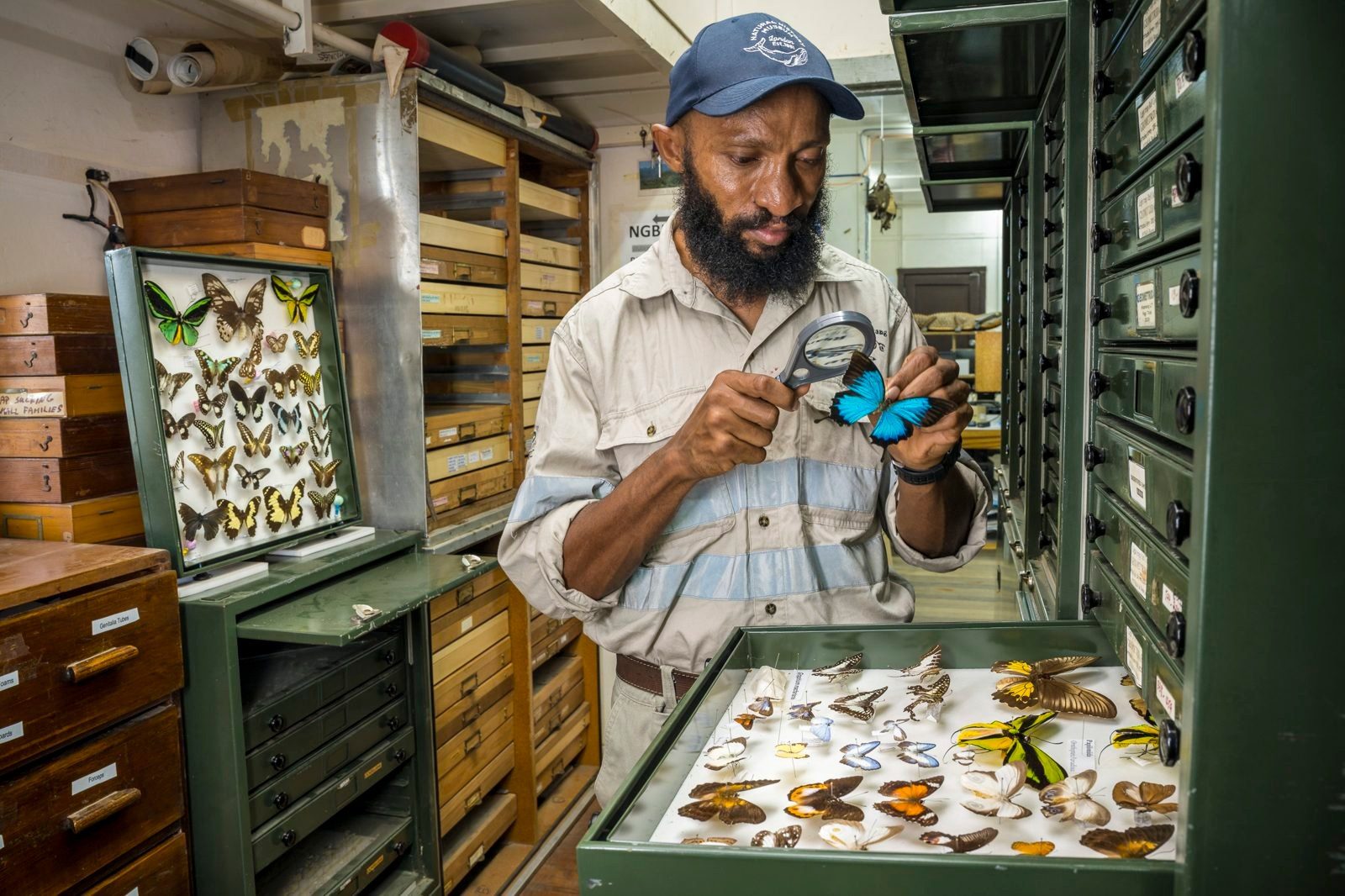
Papua New Guinea is a living laboratory: insects and plants still waiting to be described, active volcanoes, reefs and forests under study. We work with research centres and scientists, and plan the shoot around their fieldwork so the crew follows real research rather than staged scenes.
What we organise
—Contacts with research centres, universities and museums
—Access to field stations and collections
—Filming alongside scientists on expeditions
Examples:New Guinea Binatang Research Centre, Madang.
Travel & adventure
Journeys to the end of the road
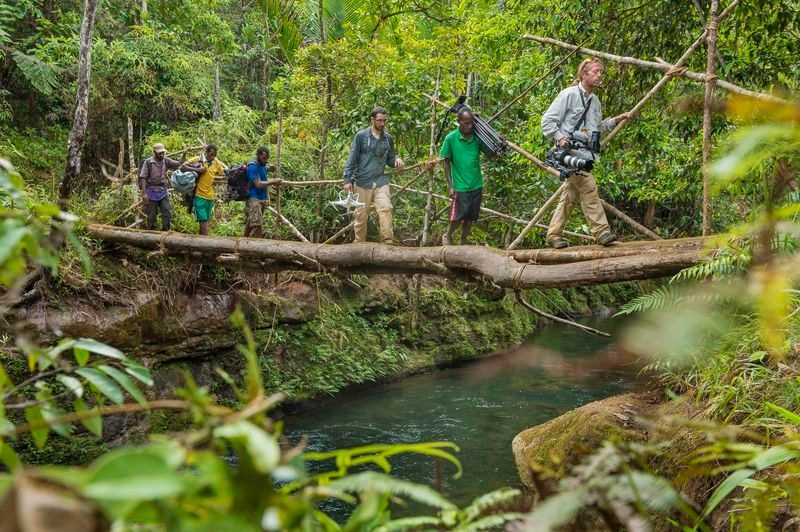
Presenter-led journeys, treks and river expeditions. The challenge is logistics: small planes, canoes, porters and camps, in places where the weather decides the schedule.
What we organise
—Itineraries by charter flight, boat and on foot
—Porters, guides, camps and food
—Back-up plans for weather and closed routes
Examples:Wilderness with Simon Reeve (BBC).
Nature & wildlife
Forests, reefs and rare species
Tree kangaroos, birds of paradise, coral reefs and some of the largest rainforests left on Earth. Wildlife shoots need time in the field, local trackers and the agreement of the clans who own the land.
What we organise
—Scientists, rangers and local trackers
—Landowner agreements for forest and reef locations
—Long stays in remote field camps
Examples:Wilderness with Simon Reeve (BBC) · Mundiya Kepanga, the Voice of the Forest (Marc Dozier’s documentary).
Culture & traditions
Ceremonies, festivals and customs
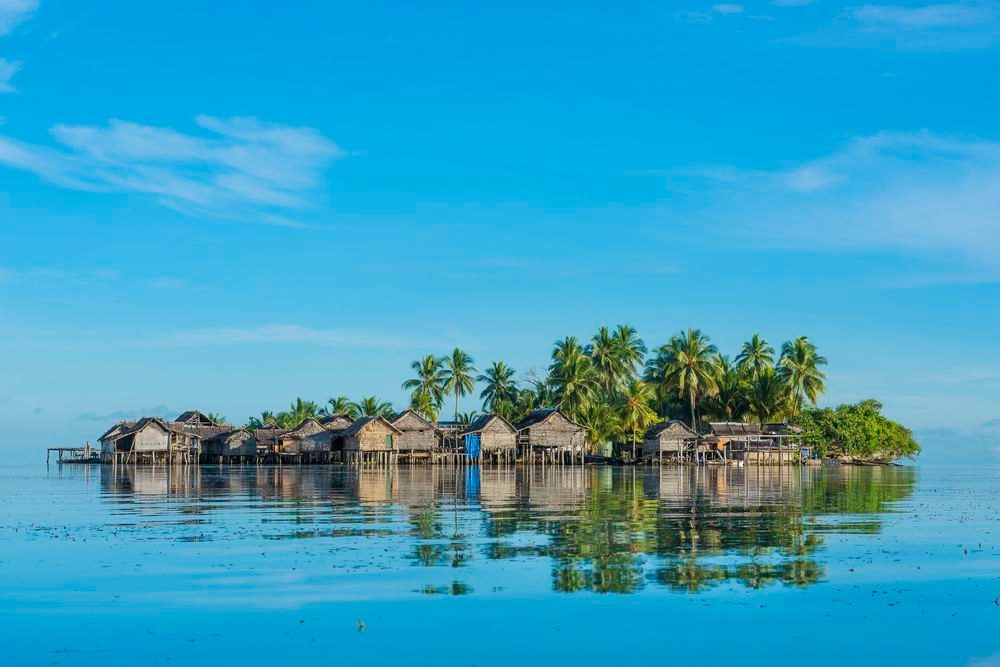
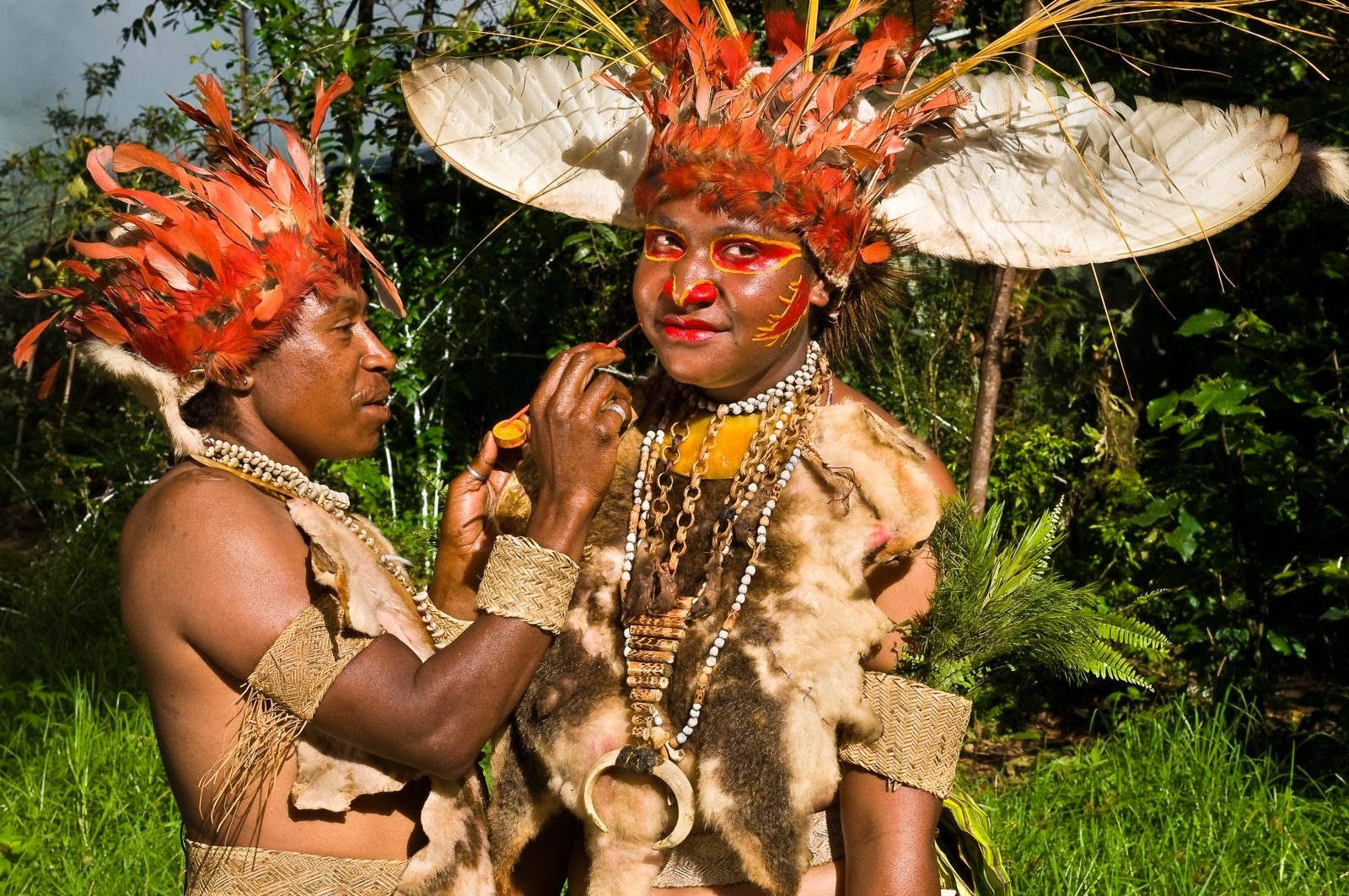
Sing-sings in the Highlands, the Sepik crocodile festival, Baining fire dances, Trobriand yam harvests. Many ceremonies follow their own calendar and rules. We find out what can be filmed, when, and on what terms.
What we organise
—Festival and ceremony calendars
—Permission from custodians and elders
—Respectful filming of sacred places and rituals
Examples:Goroka and Mount Hagen shows · Sepik River · Trobriand Islands.
Lighter stories
Food, music, sport and surprise
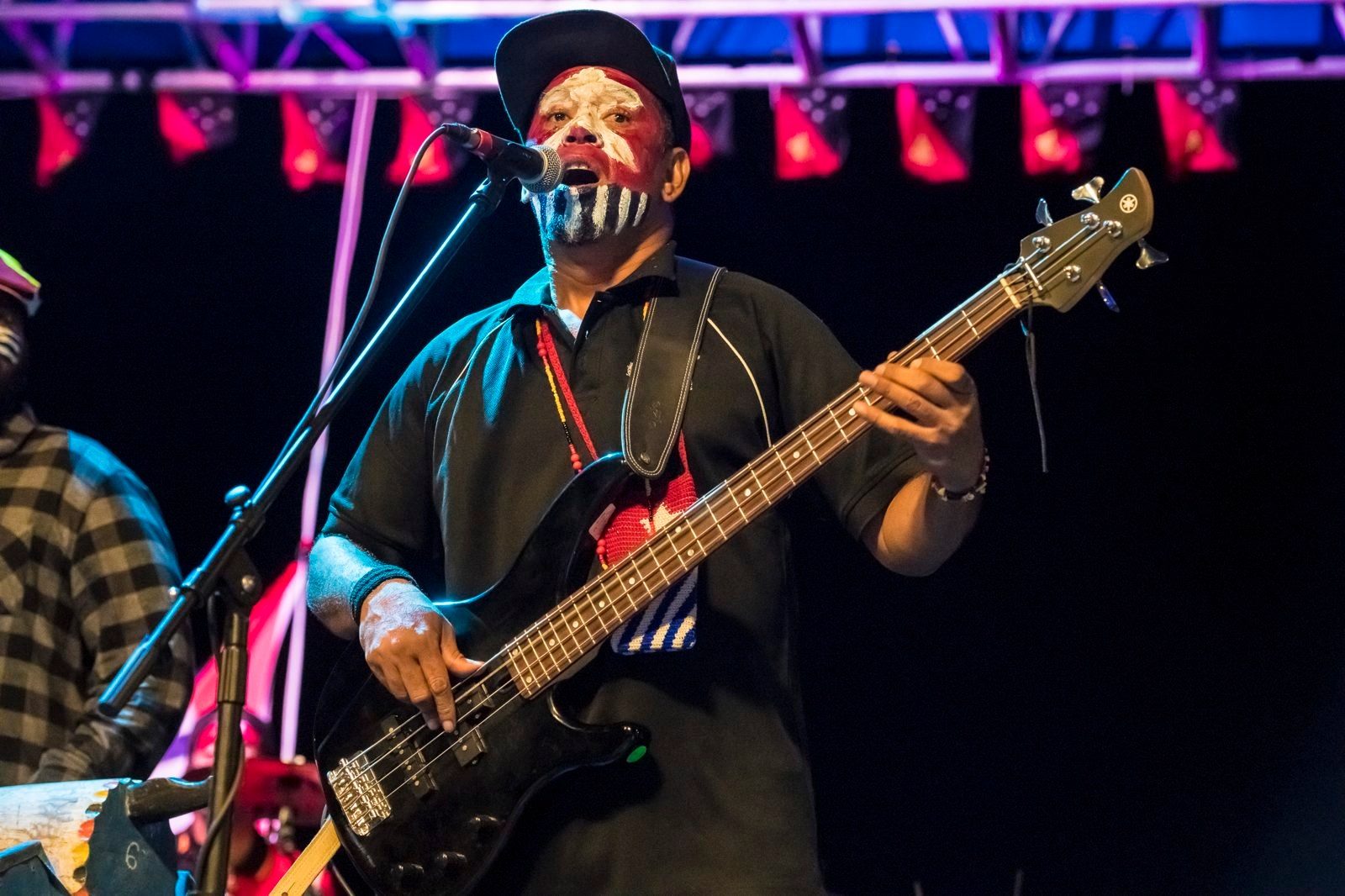
Not every story is heavy. Cooking in an earth oven, a village football match, string bands and rock concerts, a Papuan visitor discovering a European carnival: light-hearted formats work beautifully here, and people love to take part.
What we organise
—Entertainment, reality and factual formats
—Contributors who enjoy being on camera
—Quick turnarounds for short series
Examples:Bluebell Girls Meet the Papuans (One Planet) · A Papuan at the Binche Carnival · The Reverse Exploration (Bonne Pioche).
Sensitive subjects
How we protect the people you film
Informed consent. Contributors know who is filming, for which programme and where it will be shown — explained in Tok Pisin when needed.
Anonymity when it matters. Faces hidden, voices altered and locations blurred for inmates, witnesses and anyone at risk.
Local agreements first. Institutions, clan leaders and landowners agree before the camera comes out.
Safety for everyone. We plan routes, timings and exits for the crew and for the people who help us.
Your subject, our ground
Tell us what you want to film
One call is usually enough to know if a story is feasible, when, and at what cost.